
Life After Ayahuasca: What Changes, What Doesn't, and How to Integrate It
Coming home can be harder than leaving.
During an ayahuasca ceremony, something that has been hidden for years may suddenly feel obvious. A relationship may look different. A habit may become impossible to ignore. You may feel unusually close to nature, your family, your body, or something you understand as spiritual.
Then you return home.
The same messages are waiting. The same work needs doing. The same people expect you to be the person who left.
Life after ayahuasca begins in that tension.
The ceremony may have changed what you can see. It has not automatically changed how you live.
Life after ayahuasca is rarely a clean new beginning
Some people return from ceremony feeling clear, open, grateful, and unusually present. Others feel tired, vulnerable, confused, emotionally exposed, or disappointed that no dramatic answer appeared.
Many experience both.
You might feel peaceful in the morning and unsettled that evening. You may want to tell everyone what happened, then realize that ordinary language cannot hold it. You may feel more connected to life while simultaneously feeling less understood by the people around you.
None of this proves that the ceremony helped or harmed you. The first days are too early for conclusions.
Give the experience room before turning it into a story about who you are now.
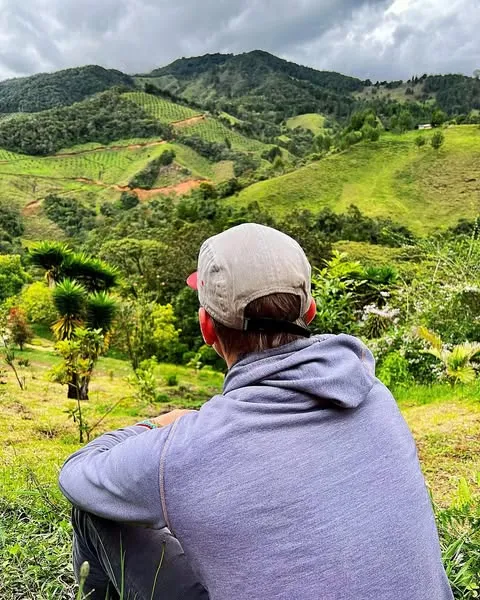
The mountain landscape offers space for reflection without demanding an immediate answer.
What research actually found about life after ayahuasca
A 2023 peer-reviewed qualitative study of 1,630 ayahuasca drinkers asked participants to describe their integration experiences after drinking ayahuasca.
The researchers found that integration was not one uniform process. Participants described it as easy, challenging, or long-term and ongoing. They also described helpful tools such as journaling, meditation, yoga, creative practice, and connection with a like-minded community. Some described feeling disconnected, returning to an old life with new understanding, or struggling to find support.
The study is useful because it takes life after ceremony seriously. It is also important to understand its limits: it was based on self-reported responses to an online survey, not a clinical trial, and it cannot establish that ayahuasca caused every change participants described.
The important point is not that integration must be difficult.
It is that difficulty is not automatically evidence of failure, and it should not automatically be romanticized as healing either. Some difficulties can become meaningful when supported properly. Others require professional care.
You return to the same life with different eyes
Ayahuasca does not pay your bills, repair your marriage, change your workplace, or remove the habits that helped you avoid yourself.
It may show you the contradiction.
That can be painful.
You may see that the work exhausting you is also providing for your family. You may recognize that a relationship is unhealthy while still loving the person. You may understand why you use alcohol, food, work, sex, social media, or conflict to regulate yourself without yet knowing how to stop.
This is where insight meets reality.
| What you may notice | What integration may ask of you |
|---|---|
| A relationship feels different | Slow down, communicate honestly, and observe patterns before making irreversible decisions |
| Your work feels empty or misaligned | Identify the specific problem before quitting or changing direction |
| Old habits return | Study the trigger instead of treating the return as failure |
| You feel unusually sensitive | Reduce stimulation and protect sleep while you settle |
| Friends do not understand | Choose a few safe people rather than trying to convince everyone |
| You feel called to serve or teach | Let the idea mature before adopting a new role or identity |
| You want another ceremony immediately | Work with what has already surfaced before seeking more intensity |
Integration is not maintaining a special feeling.
It is learning how to respond when the special feeling is gone.
What may change in relationships, work, habits, and identity
A ceremony may change the questions you ask before it changes your circumstances.
You may become less willing to ignore a boundary, more aware of how a habit works, or more honest about the cost of a job or relationship. You may also discover that some things you thought needed to change still matter to you once the intensity has settled.
Real integration leaves room for both outcomes: change and recommitment.
Try to describe changes in observable terms:
- What do you do differently when you are stressed?
- Which conversations do you avoid?
- What responsibility have you postponed?
- Which habit gives short-term relief but creates a longer-term cost?
- What would a sustainable change look like on an ordinary Tuesday?
Behavior is not the only measure of meaning, but it is where meaning becomes testable.
Do not turn every insight into an instruction
An experience can feel more real than ordinary thought. That does not mean every image, voice, symbol, or conclusion should be followed literally.
There is a difference between:
- “I need to be more honest with my partner”
- “Ayahuasca ordered me to end my relationship today”
There is a difference between:
- “My work is harming my health”
- “I must quit immediately without a plan”
There is a difference between:
- “I felt deeply connected to other people”
- “I have been chosen to guide or heal others”
Intensity is not proof.
ICEERS describes integration support as making space for people to find their own meaning without having interpretations imposed by facilitators, therapists, communities, or spiritual authorities.
A useful insight should survive contact with time, evidence, relationships, responsibility, and everyday life.
Ask:
- Is this still true when I am rested?
- Does it make me more responsible or less responsible?
- Does it respect the autonomy of other people?
- Can I test it through a small action before making a large decision?
- Would I consider this reasonable if someone else told me the same thing?
You do not need to reject the experience.
You need to hold it without surrendering your judgment.
A grounded rhythm for the weeks after ceremony
There is no universal integration timeline. Some experiences settle quickly. Others continue unfolding for a long time.
A useful rhythm is more realistic than a rigid calendar.
During the first few days
Keep life simple where possible.
Rest. Hydrate. Eat nourishing food. Spend time outside. Reduce unnecessary stimulation. Write down what you remember without forcing it into a final explanation.
Avoid rushing into crowded social situations or immediately broadcasting the experience online.
Our guide to what to do after an ayahuasca ceremony covers immediate aftercare in more detail.
During the first two weeks
Pay attention to sleep, appetite, energy, anxiety, and your ability to function.
Choose one or two people with whom you can speak honestly. They do not need to agree with your interpretation. They need to be able to listen without mocking, exaggerating, or taking control of the story.
Unless safety requires immediate action, delay major decisions until the emotional intensity has settled.
Do not resign from work, end a relationship, move country, give away money, or adopt a new spiritual identity solely because the idea felt certain in ceremony.
During the following months
Bring the experience into behavior.
Choose one or two changes that are specific enough to observe:
- have one honest conversation you have been avoiding
- establish a consistent sleep time
- reduce a numbing habit
- begin therapy
- spend regular time with family
- repair a neglected responsibility
- create a realistic plan for changing work
- practice a boundary without turning it into punishment
Small actions reveal whether an insight belongs in your life.
Grand declarations often reveal only that the ceremony was intense.
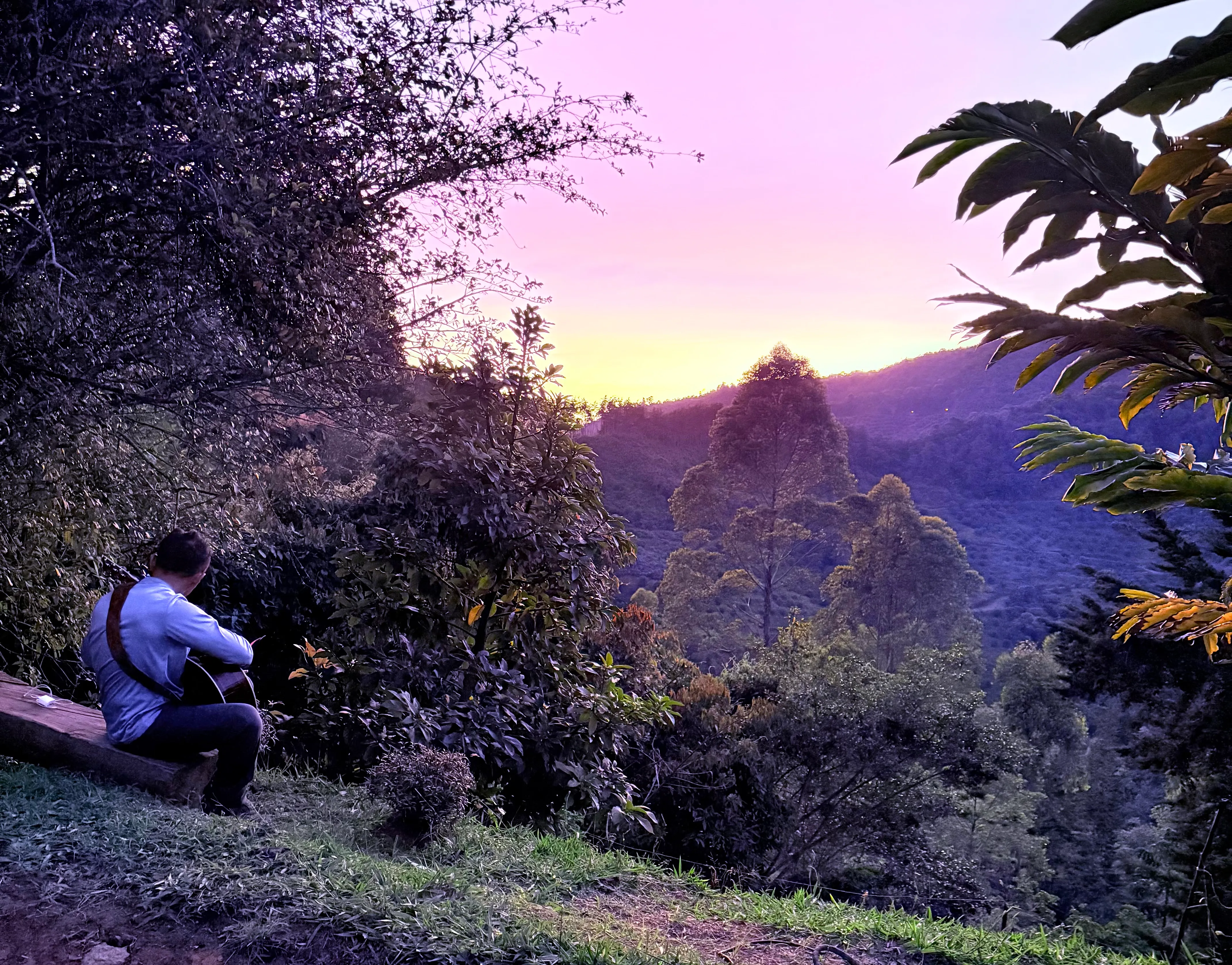
A quieter rhythm can give an experience enough space to become understandable.
What real integration looks like
Integration is often less dramatic than people expect.
It may look like apologizing without defending yourself.
It may mean noticing anger before it becomes cruelty. Going to bed instead of scrolling. Calling your parents. Leaving a harmful situation carefully rather than explosively. Staying in a difficult but healthy conversation. Returning to therapy. Eating properly. Keeping a promise.
The clearest measure is not how powerful the ceremony felt.
It is whether your choices become more coherent.
Ask yourself:
- Am I more honest?
- Am I taking better care of my body?
- Am I treating people more carefully?
- Am I keeping the responsibilities that matter?
- Am I less dependent on intensity?
- Can I tolerate discomfort without immediately escaping it?
- Are the changes sustainable when nobody is watching?
Sometimes integration means changing your life.
Sometimes it means finally participating in the life you already have.
Colombian Yagé, community, and ordinary responsibility
In Colombia, many people use the word Yagé for ceremonial work with this plant medicine. Camino al Sol uses ayahuasca in its educational pages because it is the term many readers search for, while recognising the Colombian cultural context in which our ceremonies are held.
The experience is not meant to become a private belief system detached from relationships and responsibility. Community can help a person return to ordinary life, but healthy community should preserve autonomy.
Be cautious when a group:
- treats every difficult reaction as spiritual progress
- discourages contact with family, therapists, or medical professionals
- interprets experiences for members with absolute certainty
- pressures people to attend more ceremonies
- tells participants that doubt is evidence of resistance or ego
- places one facilitator beyond criticism
- makes belonging dependent on accepting the group's worldview
Good support returns authority to you.
It helps you become more stable, more discerning, and more capable of participating in your own life.
Our integration and support page explains how Camino al Sol approaches the period after retreat.
When you need more than patience
Some emotional tenderness, fatigue, vivid dreams, uncertainty, or temporary sensitivity may occur after an intense experience.
But waiting is not always the correct response.
Seek qualified professional support when symptoms are persistent, worsening, frightening, or interfering with daily functioning. Warning signs can include:
- being unable to sleep for several nights
- feeling unable to determine what is real
- persistent depersonalization or derealization
- severe panic or agitation
- believing you have a unique mission, power, or status that others cannot understand
- hearing or seeing disturbing things that continue outside ceremony
- becoming unable to work, eat, care for yourself, or maintain basic responsibilities
- withdrawing from everyone except people who validate the experience
- feeling compelled to drink ayahuasca again immediately
- thoughts of suicide, self-harm, or harming someone else
Do not allow someone to dismiss these signs as cleansing, awakening, ego death, or the medicine continuing to work.
This page is educational and does not replace medical advice. Do not stop or change medication without speaking with a qualified medical professional.
If you are in crisis, experiencing suicidal thoughts, psychosis, chest pain, severe withdrawal, or another urgent medical issue, seek emergency care immediately.
ICEERS also provides professional integration support for difficult plant-medicine experiences. You can also read our guide on feeling as though you are going crazy after ayahuasca.
Another ceremony is not always the next step
After a powerful ceremony, people sometimes believe they need to return quickly.
They may want another answer, another emotional release, or another chance to understand something unresolved.
More medicine is not always more work.
Sometimes the desire to return is sincere. Sometimes it is another way of avoiding what the previous ceremony already made clear.
Before attending again, ask:
- What have I changed since the last ceremony?
- What remains unresolved because it needs ordinary action?
- Am I stable enough for another intense experience?
- Am I seeking guidance, or trying to recover a feeling?
- Have I discussed persistent difficulties with an appropriate professional?
- Will the retreat screen me again rather than assuming previous participation means current suitability?
Read the Camino al Sol safety guide before considering another ceremony. Medical conditions, medications, psychiatric history, sleep, recent crises, and current stability should all be reviewed again.
Previous participation does not guarantee that another ceremony is appropriate now.
The real ceremony is life itself
Life after ayahuasca is not a separate spiritual chapter.
It is breakfast with your family. The message you choose not to send in anger. The boundary you hold without cruelty. The work you do with care. The help you finally ask for. The habit you change slowly enough that it lasts.
The experience may remain meaningful for years.
But meaning is not proven by how long you think about it.
It is proven by how you live.
At Camino al Sol, traditional Colombian Yagé ceremonies are held within a wider process of screening, preparation, community, and integration. The retreat is not meant to replace ordinary life. It is meant to help you return to it with greater honesty.
You can learn more about our integration support or explore how integration fits into an ayahuasca retreat near Medellín.
