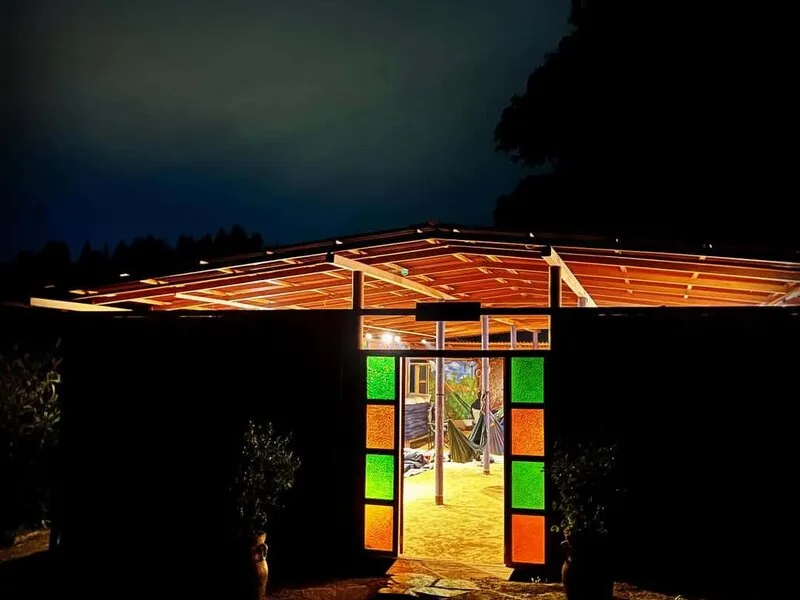
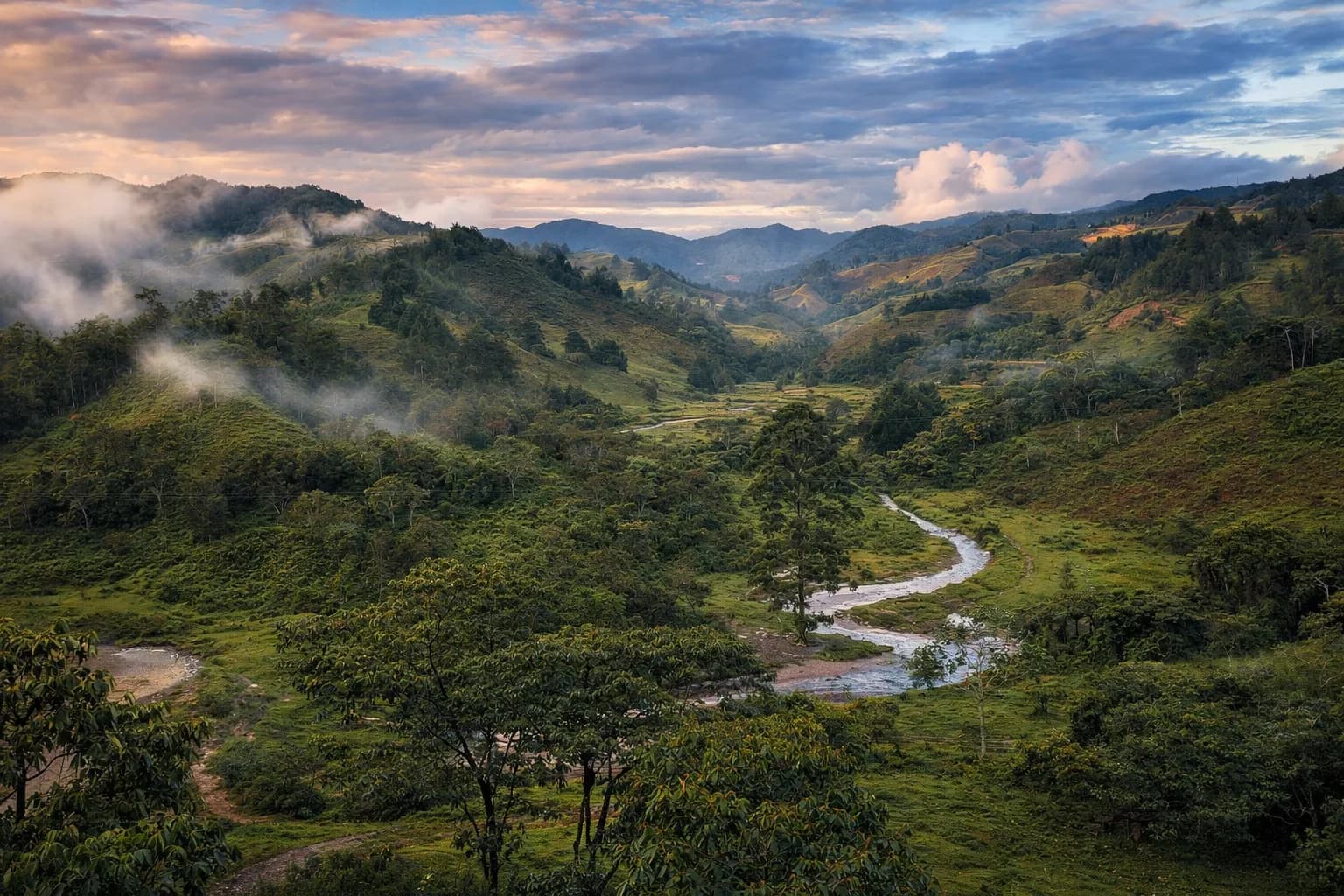
Medellín Region
Often best for first-time participants who want depth with clearer logistics.
- Easier airport access
- Shorter transfers
- Bilingual support
- Smaller groups
- A balance of nature and comfort
A grounded guide to yagé as a living Colombian tradition: the medicine, the ceremony, the lineage, and the responsibilities that come with approaching it.
For readers considering a guided experience in Colombia.
In Colombia, yagé is not just another name for ayahuasca. It is part of a living tradition carried by Indigenous communities, taitas, families, territories, songs, and generations of practice.
People often come to this medicine looking for healing, clarity, or a deeper connection with themselves. Before approaching yagé, it is important to understand what it is, where it comes from, and why the context matters.
If you are already considering a guided experience, explore our ayahuasca retreat in Colombia for upcoming dates, safety standards, and retreat details.
This guide explains
Beyond tourism
As global interest in plant medicine has grown, something essential has often been lost beneath retreat marketing, social media imagery, and psychedelic tourism.
In Colombia, yagé is not a trend, a product, or simply a psychedelic experience. It belongs to a living spiritual, social, and territorial system connected to healing, governance, ancestry, ecological responsibility, and relationship with the land.
A ceremony is not only about what happens inside one person’s mind. In a traditional context, it is part of a wider web of relationships with the plants, the people who carry the tradition, the territory, the songs, the community, and the responsibilities that come after.
What is yagé?
Yagé is the Colombian name for the sacred plant medicine more widely known as ayahuasca. The word ayahuasca comes from Quechua and is commonly used in Peru, Ecuador, and internationally.
In Colombia, the medicine is traditionally known as yagé or yajé, especially among Indigenous peoples of the Colombian Amazon and Southwest.
From a botanical perspective, yagé is centered on the Banisteriopsis caapi vine and may be prepared with other plants such as Psychotria viridis or Diplopterys cabrerana. Defining it only by chemistry misses the point.
Teacher
A source of direct learning, not only a psychoactive drink.
Healer
A medicine approached for cleansing, repair, and clarity.
Living intelligence
A relationship with plant, territory, song, and spirit.
Ancestral knowledge
A practice carried through generations of discipline.
Yagé vs ayahuasca
Yagé and ayahuasca usually refer to the same general plant medicine, but using the word yagé acknowledges the specific Colombian context of the medicine.
Ayahuasca
Ayahuasca is widely associated with Peruvian and Amazonian traditions, especially Shipibo and other ceremonial lineages. Many international retreats, medical articles, and psychedelic studies use this term.
Yagé
Yagé is the name commonly used in Colombia. It reflects Colombian Indigenous traditions carried for generations, especially in regions such as Putumayo, Caquetá, and the Colombian Amazon.
Colombian yagé traditions often place strong emphasis on:
Indigenous traditions
In Colombia, the medicine is closely connected to Indigenous nations of the Amazon and Southwest, including the Inga, Kamëntsá, Siona, Cofán, and Coreguaje peoples.
Each community has its own language, territory, ceremonial forms, and way of relating to the medicine. Across these traditions, yagé is understood as much more than a personal healing tool.
Territory is not just land. It is a living spiritual geography. The forest, the people, and the medicine are part of one relationship.
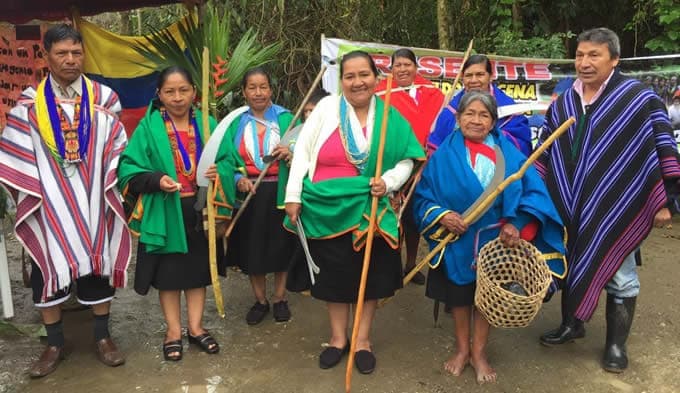
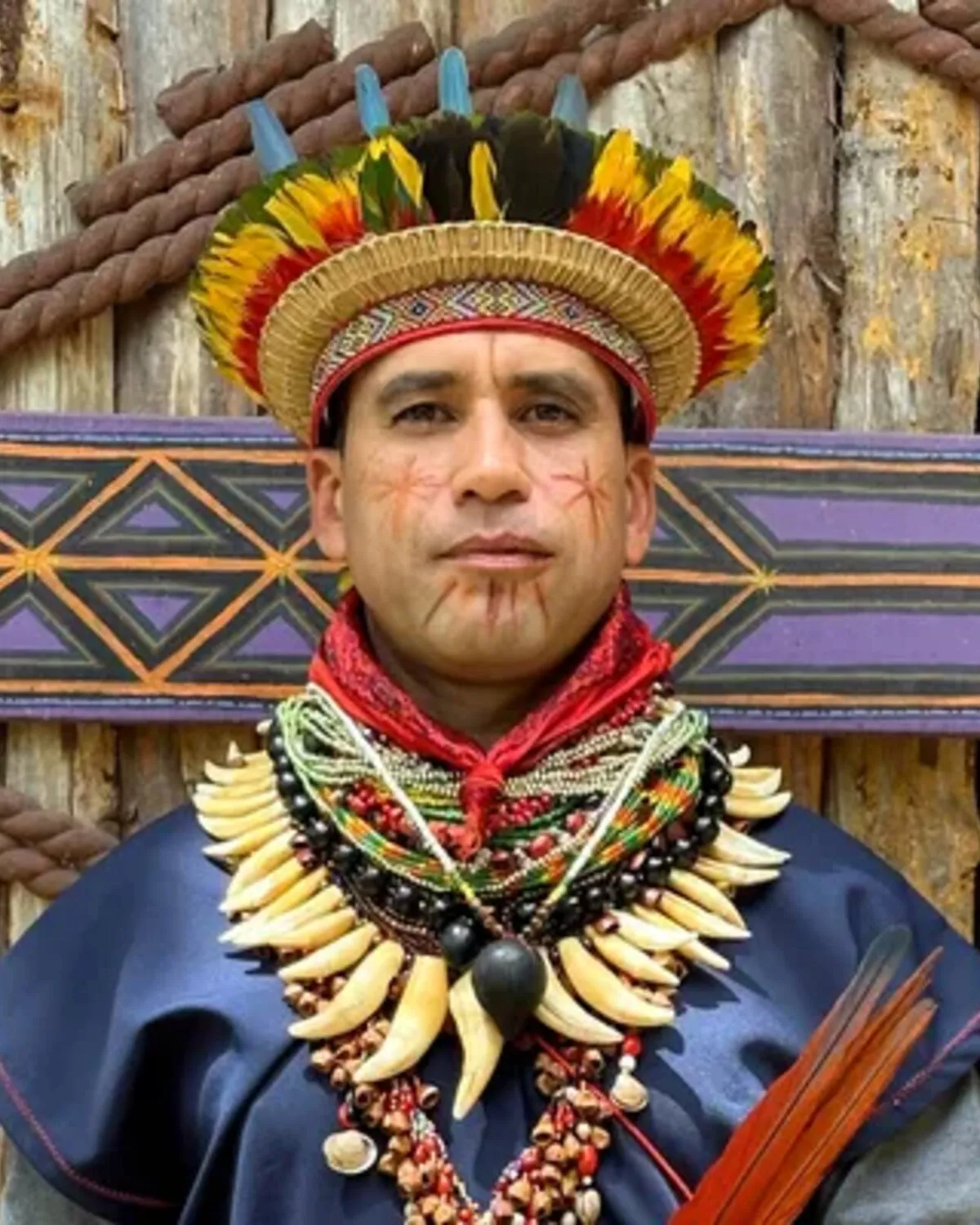
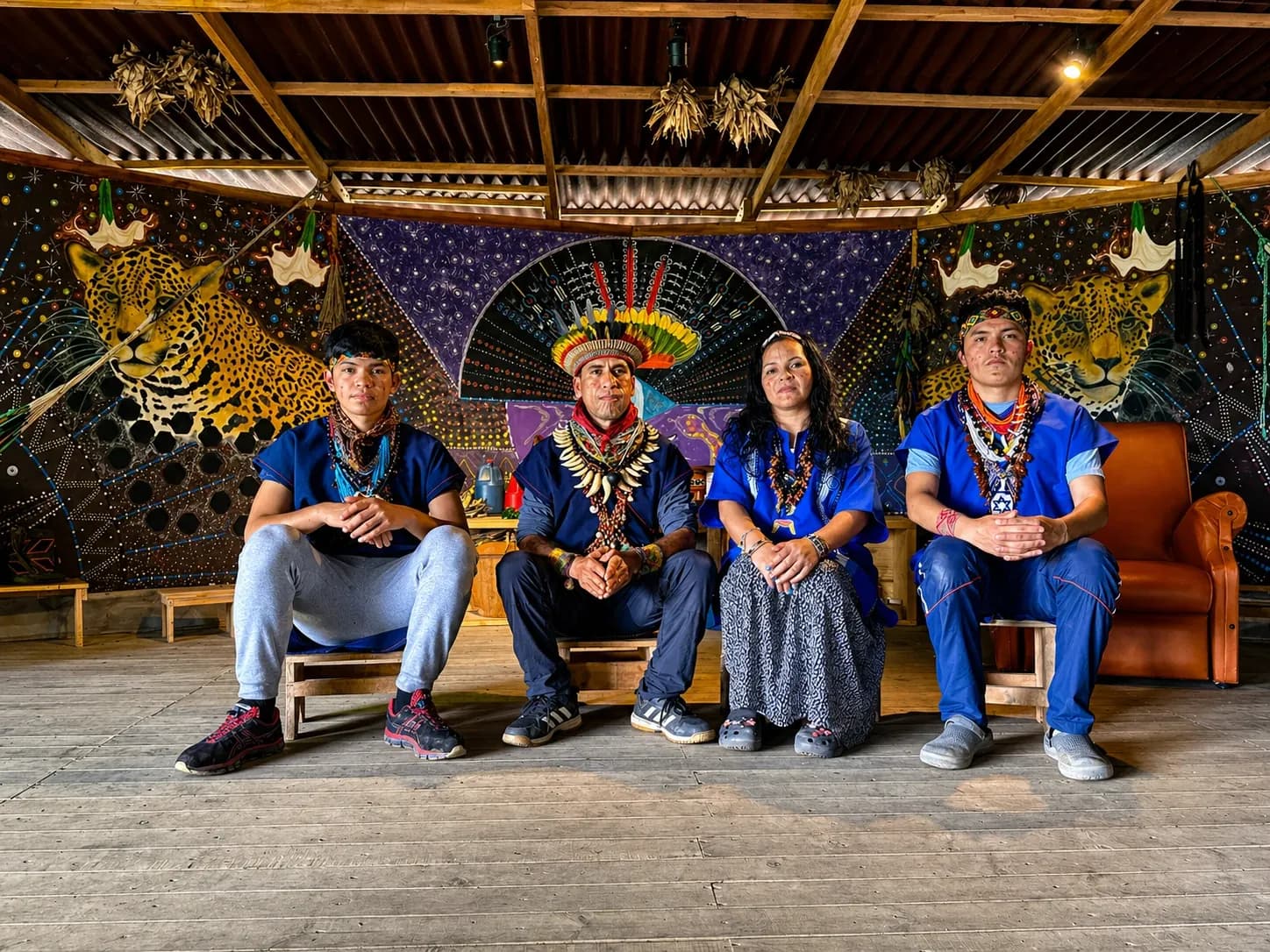
The role of the taita
In tourism language, the word shaman is often used loosely. In Colombian yagé traditions, the word taita is used with respect for a male elder or healer. Women who carry medicine may be referred to with terms such as mami or other community-specific titles.
A taita is not simply someone who serves medicine. He carries responsibility for the ceremonial space, participant safety, the songs, energetic protection, and the relationship with the tradition itself.
The ceremony
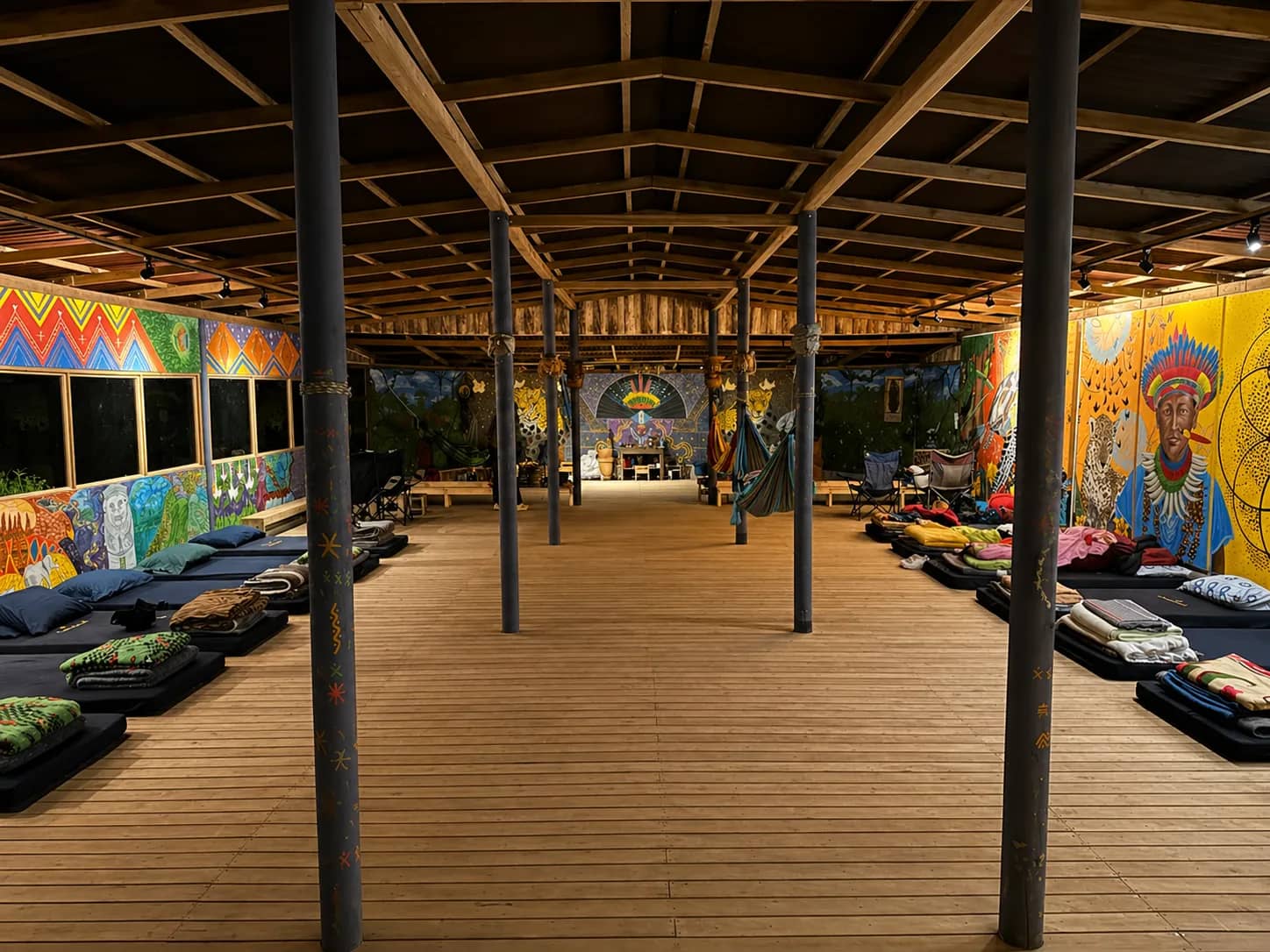
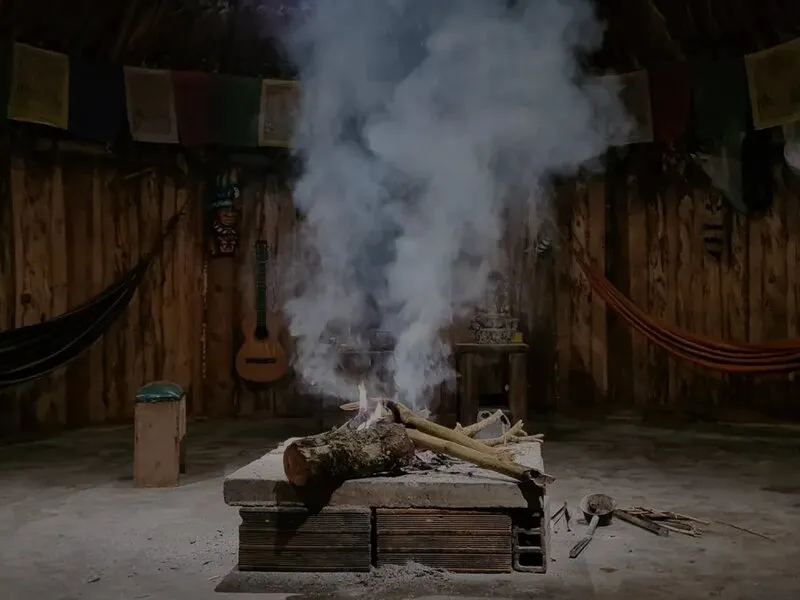
A traditional yagé ceremony is not built around spectacle. Ceremonies are often held at night in a protected ceremonial space, sometimes in a maloca or circular ceremonial house.
The taita or ceremonial leader prepares the space with prayer, intention, protection, and restraint.
Participants receive the medicine one by one, usually in silence or with minimal instruction.
Music, harmonica, chants, and live instruments help guide, protect, and regulate the ceremony.
The deeper purpose is cleansing, learning, and returning to life with greater awareness.
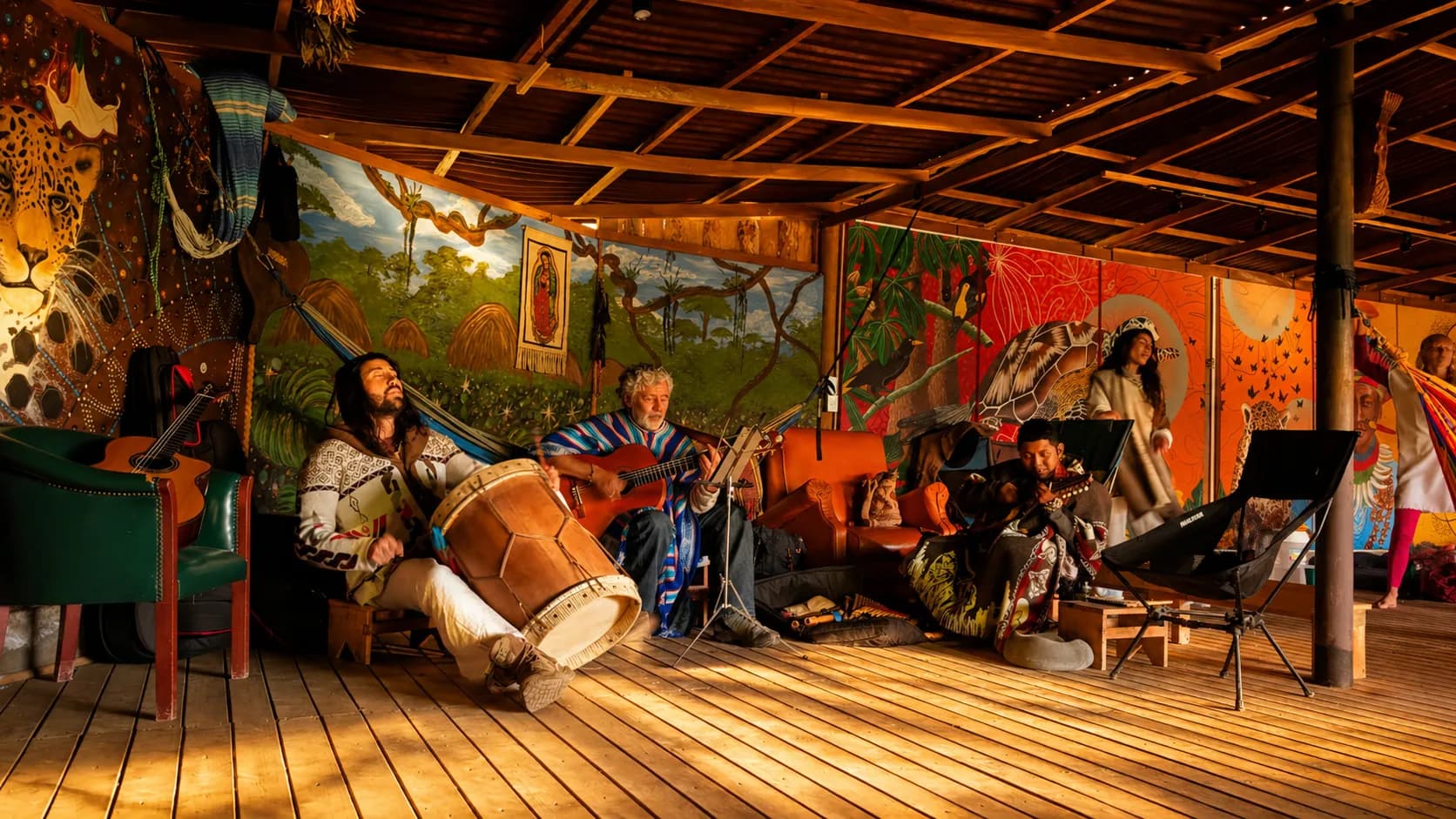
The goal is not visions. The goal is clarity.
Visions, emotional release, and purging may happen, but the deeper work is cleansing, learning, and returning to life with greater awareness.
What does yagé feel like?
The medicine does not work according to expectation, and no responsible retreat should promise a specific outcome. Many people report a combination of physical, emotional, mental, and spiritual effects.
Yagé does not always give people what they want. It often gives them what they need to see.
Purging is one of the most misunderstood parts of yagé. In many Western contexts, vomiting is seen as something negative. In yagé ceremony, purging may be understood as part of the cleansing process.
Purging can be physical, emotional, or energetic. It may include vomiting, crying, sweating, shaking, or releasing long-held emotions. Not everyone purges in the same way, and not everyone vomits.
The important thing is not to force it or resist it. Experienced facilitators understand the difference between a normal ceremonial process and a situation that requires additional attention.
Why Colombia is unique
Colombia offers living traditions carried by Indigenous communities, strong emphasis on taitas and lineage, ceremonial music as a central healing tool, and mountain and jungle settings.
Colombian yagé is tied to territory, forest, mountain, and community rather than isolated from place.
Ceremony songs, harmonica, and live medicine music are central to protection, direction, and emotional regulation.
The role of elders, taitas, families, and apprenticeship remains a defining part of serious yagé work.
Where should you go?
There is no single best place to drink yagé in Colombia. The right setting depends on your experience level, health, intention, and comfort with travel.
Often best for first-time participants who want depth with clearer logistics.
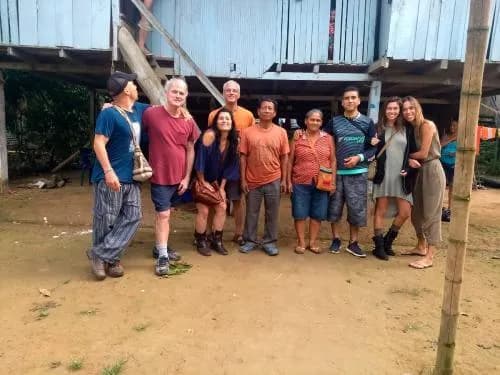
Powerful and culturally significant, but usually more demanding.
Is yagé safe?
Yagé can be safe when approached with proper screening, preparation, guidance, and support. But it is not risk-free.
This medicine affects the body, emotions, and mind in powerful ways. It can interact dangerously with some medications and may not be appropriate for people with certain medical or psychological conditions.
Do not stop prescribed medication without medical supervision. For a deeper breakdown, read our Ayahuasca Safety Guide.
Ethics
The role of a participant is not to consume an experience, but to enter with respect, patience, and willingness to take responsibility for what the medicine shows.
Preparation
Most traditional and responsible retreats recommend a dieta, a period of physical, mental, and emotional preparation before drinking the medicine. Preparation is not about perfection. It is about respect.
The clearer your body and mind are before ceremony, the more stable and receptive your experience may be. You can also read our ayahuasca diet preparation guide.
Integration
Yagé can reveal patterns, wounds, truths, or possibilities. But real transformation happens through integration, the process of bringing those insights into daily life.
At Camino al Sol, we often say that the real ceremony is life itself. Learn more in our ayahuasca integration resources.
Camino al Sol
Camino al Sol exists to support serious, respectful work with yagé in Colombia. We do not approach this medicine as entertainment, tourism, or a shortcut.
Our work is rooted in preparation, safety, lineage, music, community, and integration. For over 15 years, Camino al Sol has served as a bridge between traditional Colombian yagé work and people from around the world who feel called to approach this medicine with respect.
We are not here to sell a psychedelic experience. We are here to help hold a safe and serious container for people who are ready to meet the medicine with humility.
How to experience yagé in Colombia
A single ceremony may seem simpler, but it often provides less support before and after. For first-time participants, that can be a real disadvantage.
Yagé is not a shortcut. It is a relationship with the earth, with oneself, and with a lineage that has endured centuries of pressure, change, and survival.
When approached as a commodity, its teachings remain shallow. When approached with humility, preparation, and respect, it can become a lifelong teacher.
Begin slowly. Learn first. Prepare seriously. Choose your guides carefully. Respect the tradition. And remember that the deepest ceremony is not only what happens at night. It is how you live afterward.
Grounded answers for first-time readers and serious seekers.