
01 / What to ask
Start with the ceremonial tradition
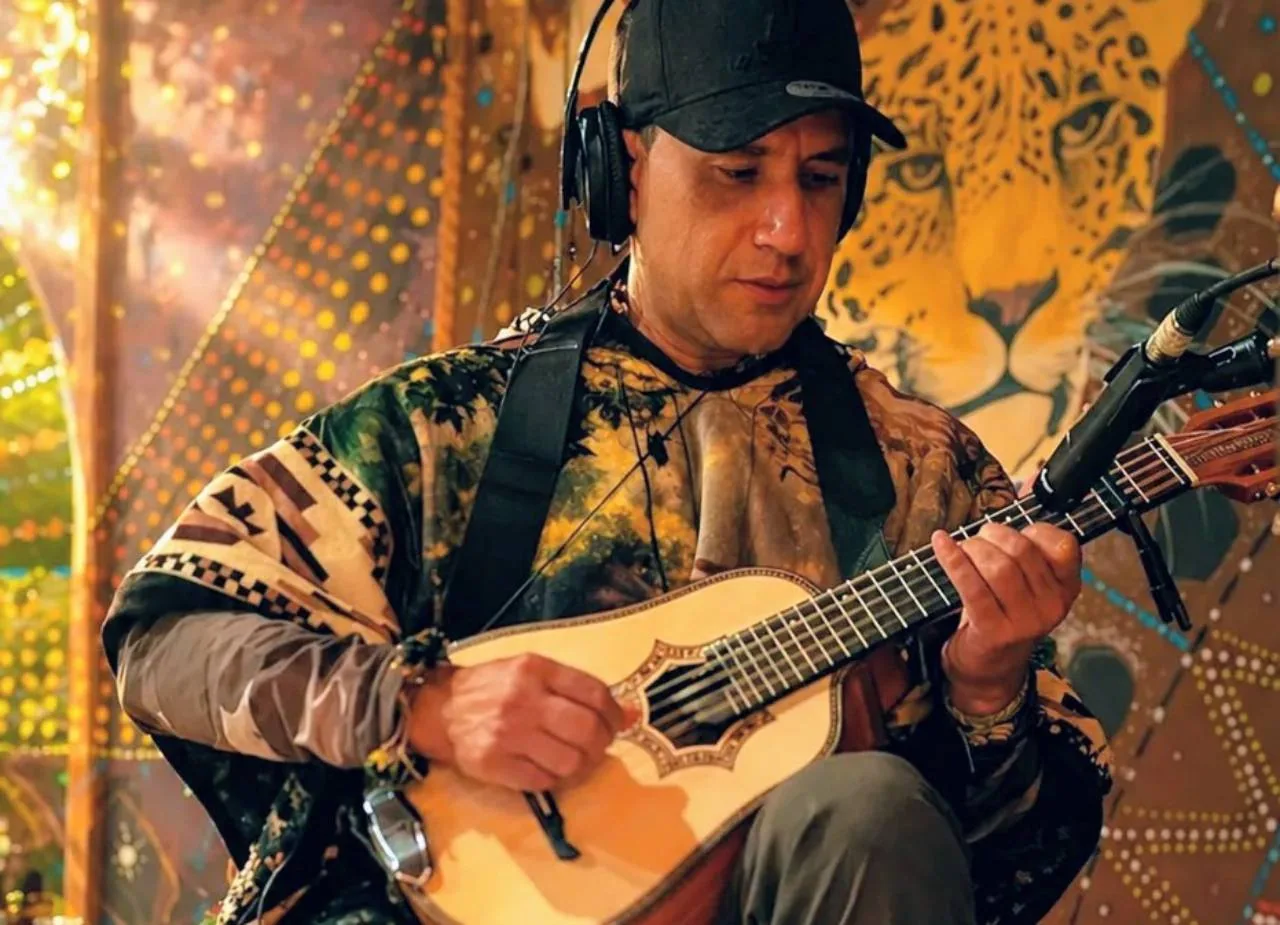
Who leads ceremony, where did they learn, and what does their role involve outside ceremony?
Terms such as “traditional” and “ancestral” should lead to more specific questions. Who leads ceremony? Where did they learn? Which people and traditions do they describe their work as coming from? A title such as taitashould not substitute for understanding someone's actual background.
At Camino al Sol, Diego Marmolejo works as médico tradicional. He was born near the Putumayo River in Puerto Asís. He says his formation began with his parents; his mother is a sabedora of traditional medicine and plants. He describes roughly two decades of learning and collecting plants with elders from different communities, medicinal chagrasand field walks. This is Diego's account of his formation, not a claim to speak for every Putumayo tradition.
02 / What to ask
Check screening before booking
Who reviews my health history and medication list, and what happens if there is a concern?
A date should not be treated as acceptance. Camino al Sol's intake asks about medical history, current medications and mental health background. The team reviews the form, follows up where needed and decides whether to approve, request more information or decline participation. Dr. Marta Turpin supports medical review. A traditional practitioner's role and a clinician's screening role are different responsibilities.
Ask any retreat how it handles contraindications and what it tells someone who is ineligible. Do not stop or change prescribed medication to qualify. For specific risk and medication information, read our ayahuasca safety guide.
03 / What to ask
Look beyond the group-size number
Who is available if I need attention, quiet or simply a day of rest?
Camino al Sol caps its standard public retreat at 12 participants. That number helps you compare scale, but it does not describe the care by itself. Ask who is present during and after ceremony, which languages they support and how they respond when one person needs something different from the group.
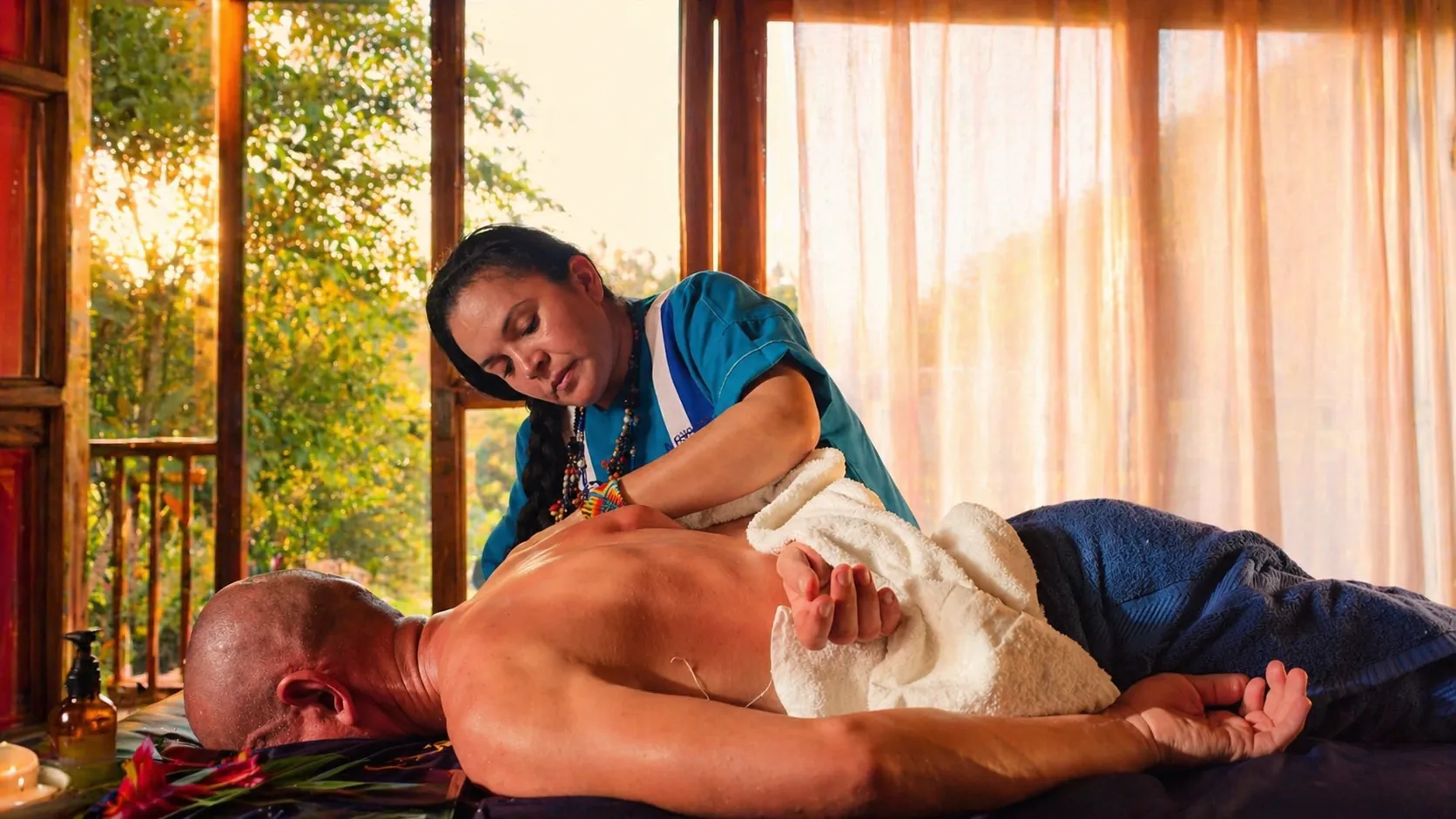
Andrea Díaz, who supports participants and women's care at Camino, describes her role as observing, being available and accompanying. She notices that first-time guests may arrive uncertain. In her practice, care also means explaining activities gradually, keeping the space clean and calm, and respecting someone who says they need to sleep or sit out. She does not try to talk that person into taking part.
04 / What to ask
Ask what happens between ceremonies
What preparation, rest and integration are available, and must I share my experience?
A schedule of ceremony nights is only part of a retreat. Camino's standard format includes preparation, three ceremonies, rest, Circles of Word and support during the retreat, followed by aftercare. Ask who provides that support and what follow-up looks like after you go home.
Andrea says a participant does not have to describe or justify what happened in ceremony during the Circle of Word. Listening can also be participation. She calls attention to leer los tiempos: if a person has already had a full day, a plant bath or body therapy may be better another day. This is her approach to pacing, not a promised schedule of treatments for every guest. Read more about integration and aftercare.
05 / What to ask
Understand plants and territory
Is the work connected to ongoing plant knowledge, cultivation and transmission?
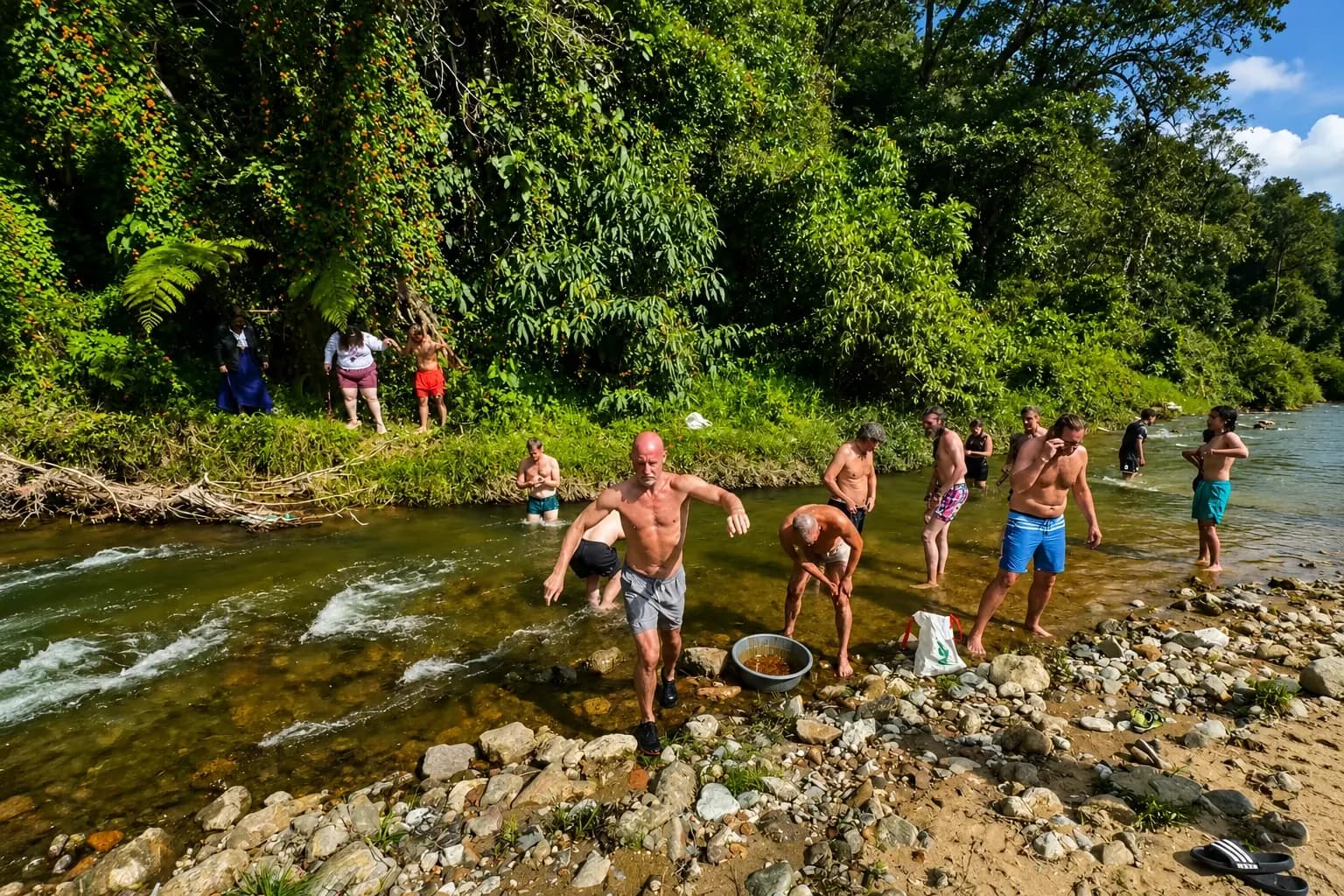
Diego describes traditional medicine as work with plants, elders, families and territory beyond ceremony. In field walks, he says elders show plants and explain their uses; some are collected for reproduction when possible. At Camino al Sol, his role includes caring for the land, planting medicinal species and preserving knowledge. He says he has established a seed bank of plants that have become scarce.
Ask other retreats how their traditions remain connected to people and place beyond one night. See yagé in Colombia.
06 / What to ask
Compare the full journey and price
Where do I arrive, where will I sleep, and what is included in the total cost?
Compare the travel day as carefully as the ceremony schedule. Ask for the pickup point and timing, journey to the site, duration, languages, room arrangement, meals, transport back and a written inclusion list. Ask about private accommodation and its price if you need it. The lowest headline price may not be the lowest total travel cost.
Camino's standard retreat is five nights in El Retiro, Antioquia, about 45–60 minutes from Medellín. It includes shared accommodation, meals, three guided ceremonies and transport from Medellín or the airport; Spanish and English support is available. Private cabins may be available at additional cost, subject to availability. Check exact pickup and room details on the Medellín retreat page and compare inclusions in our cost guide.
07 / What to ask
Notice the answers you do not get
Can the team answer these questions clearly without pressure or a guaranteed result?
- A promised cure, guaranteed outcome or pressure to decide quickly
- No named ceremony leader or a vague answer about where they learned
- Acceptance or payment before meaningful health and medication screening
- No clear answer about group size, support during the night or opting out
- Unclear inclusions, extra fees, transport or cancellation terms
Ask directly, and take time to assess the reply.