
Feeling strange, anxious or overwhelmed after ayahuasca can be frightening. This page explains what difficult integration can feel like and when to seek professional or emergency help.
You feel — off. Unstable in a way that's hard to explain to anyone who wasn't there. Emotions you can't control. Thoughts you didn't have before. A relationship that suddenly feels wrong, or a life that no longer fits. Maybe you're sleeping too much or not at all. Maybe you're crying without knowing why.
And underneath all of it, a quiet fear: Is this what losing your mind feels like?
Let's be honest about what's happening — without minimizing it, and without making it worse than it is.
If you're frightened right now
Start with simple grounding if you can still tell what is real, communicate normally and care for yourself. Reduce stimulation, eat something nourishing, hydrate, rest, avoid alcohol and recreational drugs, and stay near someone you trust. Grounding does not rule out the need for care.
Seek professional help promptly if you're becoming more agitated or confused, cannot sleep normally, feel increasingly detached from reality, or are struggling to function.
Seek emergency medical help immediately if you may harm yourself or someone else, cannot determine what is real, are severely confused or agitated, have a seizure, lose consciousness, or have another acute medical emergency. Contact local emergency services or go to the nearest emergency department. Ask someone you trust to help you get care; don't drive yourself while confused or impaired.
Something real is happening. It deserves attention.
The phrase "going crazy" covers a lot of ground. What most people mean when they use it is: I feel like I've lost control of my own inner life, and I don't know how to get it back.
That feeling is real. It's worth taking seriously. Some people describe it after a difficult ceremony. The phrase itself cannot tell you whether you need healthcare.
In our integration conversations, people sometimes describe difficult emotions, memories or questions that remain after ceremony. That is a practitioner observation, not a medical explanation for every symptom. The experience is over. Making sense of it may take longer.
As Taita Diego puts it: "This isn't a place to come and escape. It is a place to recharge — and then continue the journey."
The continuation is the hard part.
What "going crazy after ayahuasca" actually looks like
Post-ceremony difficulty takes different forms for different people. Some people describe the following experiences; they are examples, not diagnostic categories.
Emotional flooding. Feelings that seem disproportionate to whatever triggered them. Grief that appears out of nowhere. Anger that feels older than the current situation. Joy that feels overwhelming, then collapses into nothing.
Identity disorientation. The sense that who you thought you were is no longer quite accurate — but you don't yet know what's replaced it. Old certainties feel hollow. New ones haven't arrived yet.
Perceptual sensitivity. Colors are brighter. Music lands differently. Crowds are harder to be in. Some people describe feeling more exposed to everyday stimulation.
Relational friction. Relationships you'd been tolerating suddenly feel impossible. Or the opposite — connections you'd been holding at arm's length suddenly feel urgent. Both can create chaos in your actual life.
Dissociation. Feeling slightly outside yourself. Going through motions at work or at home while an inner part of you is still elsewhere, still processing. Sometimes described as being "not quite here."
Revisiting old patterns. Behaviors or thought loops you thought the ceremony had resolved coming back — sometimes more intensely.
These experiences do not necessarily mean you are developing psychosis. Some can occur during a difficult period of integration. What matters is their severity, duration, whether you can still function and sleep, and whether you can distinguish internal experiences from external reality.
Dissociation, perceptual changes, identity disturbance and severe insomnia can overlap with experiences that need professional assessment. Calling something integration does not settle that question.
Why does this happen?
There isn't one explanation for every difficult experience after ayahuasca. Personal circumstances and what happened during ceremony may matter, but symptoms can also need medical or psychiatric assessment. A spiritual interpretation may be meaningful to you; it does not establish a clinical cause or remove the need for care.
There's more about reflection and everyday support in our ayahuasca integration guide and integration page.
Integration difficulty vs. something that needs professional help
This is where honesty matters most. Being able to manage routines and recognize what is real can be reassuring, but it cannot rule out a problem that needs care.
Seek professional assessment promptly if symptoms intensify rather than settle, interfere significantly with work or basic self-care, prevent normal sleep, or make it harder to distinguish inner experiences from external reality. Persistent hallucinations, escalating paranoia or unusual beliefs, and marked changes in energy or behaviour also deserve assessment. You do not need to wait several weeks. NIMH's guidance on psychosis explains why worsening changes deserve attention.
Get emergency medical help immediately if you may harm yourself or someone else, cannot determine what is real, or are severely confused or agitated. Seizures, loss of consciousness and other acute medical emergencies also need immediate care.
These aren't things to push through alone or frame as "deep integration." Speak with a qualified healthcare professional. Someone familiar with psychedelic experiences may be helpful, but don't delay care while trying to find a specialist. Tell the clinician what you took, when, any other substances or medications, and what has changed in your sleep and daily functioning.
If you're unsure, professional assessment is appropriate. Our safety page explains our screening approach; it cannot assess your current symptoms.
Pay attention to sleep
Sleep is a useful practical signal to monitor. Temporarily sleeping poorly while feeling emotionally stirred up is different from repeatedly sleeping very little while becoming unusually energetic, agitated, confused, impulsive or convinced of unusual ideas.
The latter pattern deserves prompt professional assessment. An unusually reduced need for sleep can be a warning sign of mania; it should not simply be interpreted as spiritual or psychological integration. This does not mean poor sleep alone diagnoses mania. See NIMH's bipolar disorder information and our discussion of ayahuasca and sleep disorders.
Integration, dissociation, mania and psychosis are not the same thing
These words are sometimes used loosely online. They describe different phenomena, and experiences can overlap. This comparison gives examples, not a way to diagnose yourself.
| Experience | Possible examples and important distinctions |
|---|---|
| Difficult integration | Emotional sensitivity, crying, uncertainty, questioning relationships or life choices, feeling psychologically "open," or difficulty making sense of ceremony. The person generally retains reality testing: they can distinguish inner experiences from external events. Integration is a descriptive term, not a medical diagnosis. |
| Dissociation / derealization | Feeling detached from yourself or your body; surroundings seeming unreal or dreamlike; emotional numbness or unfamiliarity. Feeling that things are unreal is different from being unable to determine what is real, but distressing or persistent symptoms still deserve assessment. |
| Mania / hypomania | Unusually little need for sleep, elevated or irritable energy, racing thoughts, rapid speech, impulsive behaviour, or feeling unusually powerful or important. Hypomania is less severe than mania; both need clinical context to assess. |
| Psychosis | Persistent hallucinations outside expected acute drug effects, strongly held delusional or paranoid beliefs, severely disorganized thinking, or significant loss of reality testing. These are warning signs for assessment, not proof of a particular diagnosis. |
A webpage cannot determine which of these someone is experiencing. If you are unsure, particularly if symptoms are worsening or interfering with sleep and normal functioning, professional assessment is appropriate.
The clinical distinctions draw on NHS information on dissociation, NIMH information on bipolar disorder and NIMH information on psychosis.
What does research say about serious psychiatric reactions after ayahuasca?
Persistent psychosis does not appear to be a typical outcome of ayahuasca use. Serious persistent psychiatric reactions appear uncommon, but have been documented. A 2017 systematic review by dos Santos and colleagues identified reports of prolonged psychotic episodes after ayahuasca or DMT use, including cases without a known previous psychiatric history.
Personal or family histories of psychotic disorders, bipolar disorder or mania are important risk considerations. A 2015 case report described a manic episode after ayahuasca use in a man with bipolar disorder. A 2024 systematic review of psychedelic case reports also documented psychotic and affective reactions across psychedelic substances; it was not an ayahuasca-only study.
Case reports cannot establish how often these reactions occur or prove that ayahuasca alone caused them. Research outside controlled settings remains incomplete. This is one reason responsible screening and honest disclosure of psychiatric history matter. Our mental-health information and contraindications guide explain the questions to discuss before considering participation.
What actually helps
Not everything people suggest helps. Some common advice in the ayahuasca community can actually make things worse — particularly the idea of returning to ceremony when you're already overwhelmed.
Stability first. Integration first. Another ceremony is not automatically the answer to a difficult ceremony. While you feel destabilized, pause further psychedelic use and focus on support and everyday life.
Start with simple physical anchors. A gentle walk, regular meals, hydration and consistent rest may help you feel more grounded. Choose manageable activities; these are supportive steps, not treatment for serious symptoms. Our guide to what to do after an ayahuasca ceremony offers practical ideas.
Talk to people who understand. That doesn't mean only people from the ceremony circle. It means therapists, integration counselors, or trusted people who can hold complexity without either dismissing what you experienced or encouraging you to escalate.
Let things unfold slowly. You don't have to turn the experience into a story, a plan or a set of changes immediately. Some things need time before they can be understood. Sitting with what came up, without forcing it into a conclusion, is often the real work.
Keep physical practices gentle. If comfortable, try easy movement or quiet time outside with someone you trust. Stop anything that increases distress; you don't need to force an intense practice to make progress.
Don't isolate. The disorientation of post-ceremony states can make isolation feel right. Try to stay connected to people who care about you, even if you can't fully explain what's happening.
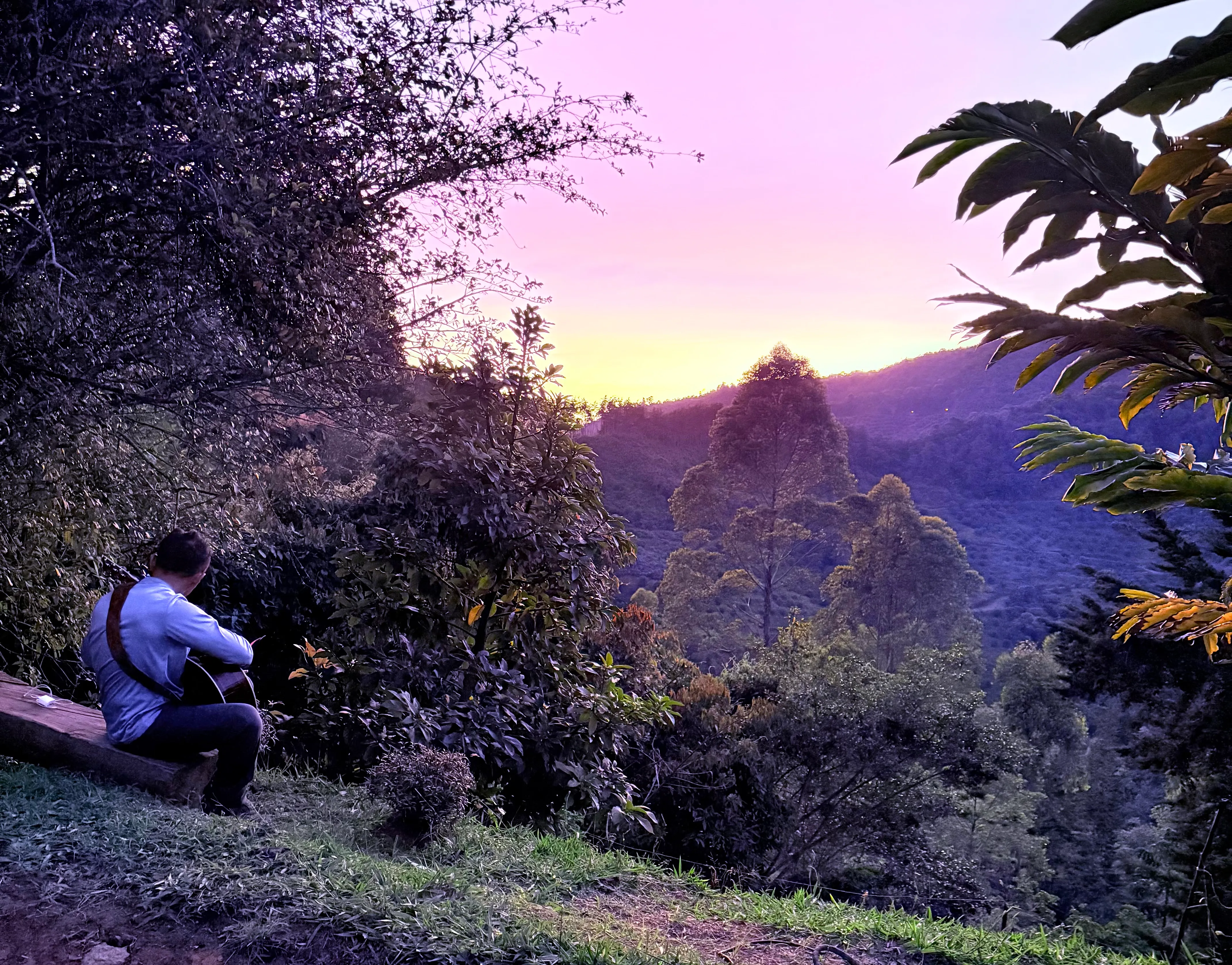 Integration happens in the days and weeks after ceremony — in the ordinary hours of life.
When you came to ceremony matters
Grief, relationships and earlier difficulties can shape how someone makes sense of ceremony. But we cannot assume that every symptom reflects something that was already there, or that ayahuasca could not have contributed to harm.
Integration can involve working out what an experience means in the actual decisions, relationships and days of your life. Professional assessment and personal reflection can coexist. Our Life After Ayahuasca guide explores that everyday process.
Taita Diego says it plainly: "To count to one hundred, you have to start with one. We must value the basics: life, family, food."
The basics are where integration happens. Not in dramatic realizations, but in how you wake up, how you treat the people around you, what you're willing to look at honestly.
If you're thinking about going back
Some people feel drawn to return, hoping another ceremony will resolve the previous experience. That hope is understandable, but another ceremony is not automatically the answer.
Stability first. Integration first. If you are acutely distressed, sleeping poorly or struggling to function, pause further use and seek appropriate support. Whether to return later is a separate decision to discuss once stable, with honest disclosure of what happened and appropriate clinical advice where needed.
A useful reflection, once you are stable, is: Have I actually lived out the insights from the last ceremony? Not only thought or talked about them, but made the changes or had the conversations you understood you needed. There is no need to rush that work.
What not to do while you feel destabilized
- Don't rush into another ayahuasca or psychedelic ceremony to "fix" the previous experience.
- Avoid cannabis, alcohol and other psychoactive or recreational drugs while destabilized.
- Put major irreversible life decisions on hold while acutely distressed.
- Don't abruptly stop or change prescribed psychiatric medication without speaking to the prescribing clinician.
- Don't isolate yourself completely. Stay connected to someone you trust.
- Be cautious of anyone who insists every difficult psychiatric symptom is a spiritual awakening, energetic opening or necessary healing crisis.
- Be cautious of facilitators or communities that discourage appropriate medical or psychological care. Respect for traditional yagé practice and access to healthcare can coexist.
Independent integration support
ICEERS' El Faro Support Center provides professional support for people navigating difficult experiences with psychoactive plants. It offers orientation and emotional support, rather than psychotherapy.
Integration support is not a substitute for emergency, psychiatric or medical care. El Faro is not a suicide hotline. If you are in danger or experiencing an emergency, contact local emergency services immediately rather than waiting for an integration appointment.
Sources and scope
This article combines Camino al Sol's practitioner observations with the medical information and scientific evidence linked below. Practitioner observations do not diagnose symptoms or establish their cause. No article-specific medical review is claimed for this revision.
- dos Santos RG, Bouso JC, Hallak JEC. Ayahuasca, dimethyltryptamine, and psychosis: a systematic review of human studies. 2017. DOI: 10.1177/2045125316689030.
- Szmulewicz AG, Valerio MP, Smith JM. Switch to mania after ayahuasca consumption in a man with bipolar disorder: a case report. 2015. DOI: 10.1186/s40345-014-0020-y.
- Adverse psychiatric effects of psychedelic drugs: a systematic review of case reports. 2024. This review covers multiple psychedelics.
- National Institute of Mental Health: Understanding Psychosis and Bipolar Disorder.
- NHS: Dissociative disorders.
Sources checked October 7, 2026. This page is educational and cannot assess your current condition.
This page is educational and does not replace medical advice. If you are experiencing a mental health crisis, psychosis, suicidal thoughts, or symptoms that are escalating rather than moving through, please seek professional support immediately. Do not stop or change medication without speaking with a qualified medical professional.
