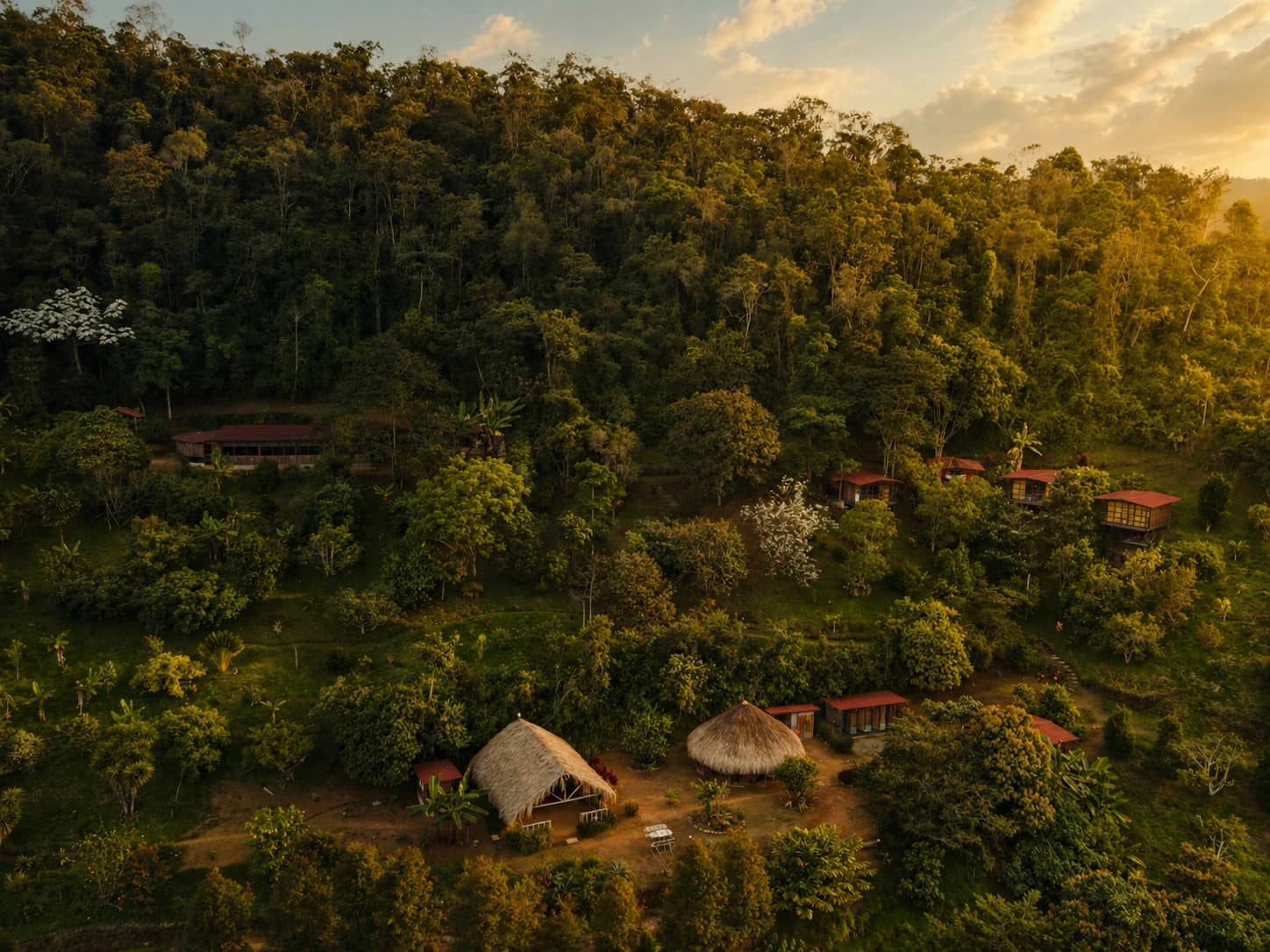
Quick answer
Colombia can be a powerful place to experience ayahuasca, especially because Yagé has deep roots in Colombian ceremonial traditions. But Colombia itself does not make a ceremony safe. Safety depends on the retreat team, screening process, medication review, facilitator experience, group size, logistics, emergency planning, and aftercare. The country is the setting. The container is what protects you.
- A Colombian location does not replace medical and psychological screening
- The safest retreat is not always the most remote, traditional, or dramatic-looking
- Foreign visitors should review health, logistics, language support, transport, and emergency access before booking
Check if you may be eligible
Answer three quick questions about medications, mental health history, and physical health. This does not replace medical screening, but it can help you understand your next step.
This page is educational and does not replace medical advice. Do not stop or change medication without speaking with a qualified medical professional.
Colombia is not the safety guarantee
Colombia has deep Yagé traditions, respected Taitas, and powerful ceremonial lineages. It also has the same problem every ayahuasca destination has: quality varies.
Some retreats are grounded, careful, and serious about screening. Others lean on jungle imagery, spiritual language, or the word authentic while leaving practical safety questions unanswered. A Colombian ceremony can be profound. It can also be poorly held if the container is weak.
The safer question is not simply, "Is ayahuasca safe in Colombia?" The better question is, "Who is holding the ceremony, what do they review before accepting me, what happens if something goes wrong, and how will I be supported afterward?"
- A strong tradition still needs modern screening
- Beautiful location does not equal responsible facilitation
- A safe retreat should be able to explain health review, logistics, support, and aftercare clearly
What changes when you travel to Colombia for ayahuasca
Travel adds another layer to the safety question. You are not only choosing a ceremony. You are choosing a place, a team, transport, language support, recovery time, and distance from your normal support system.
Foreign visitors often focus on the medicine and forget the practical details: airport pickup, road conditions, altitude, sleep after travel, food, language, bathroom access, emergency access, and how quickly they plan to fly or work after the retreat. These details matter because ayahuasca is physically and emotionally demanding.
Colombia can be an excellent setting when the retreat is accessible, organized, transparent, and connected to experienced local facilitators. It becomes riskier when travel is rushed, communication is vague, screening is weak, or the retreat expects participants to figure out logistics while already nervous or unwell.
Five things to check before choosing an ayahuasca retreat in Colombia
These questions will tell you more than polished photos or broad claims about authenticity.
Who is actually leading the ceremony?
Ask who serves the medicine, what tradition they come from, how long they have worked with Yagé, and who else supports the ceremony. A responsible retreat should be able to explain the role of the Taita, facilitators, assistants, translators, musicians, and support team without hiding behind vague spiritual language.
What happens before they accept you?
A safer retreat reviews medications, mental health history, physical health, pregnancy or breastfeeding, recent surgery, substance use, and crisis history before confirming your place. If you can pay and book instantly without health review, the retreat does not know whether the ceremony is appropriate for you.
How clear are the logistics?
Travel safety matters. You should understand how to arrive, whether airport pickup is available, how far the retreat is from Medellín or the airport, what the road is like, what to pack, where you will sleep, how meals work, and what happens if travel delays affect your arrival. Vague logistics create stress before ceremony even begins.
What support exists during difficult moments?
Ceremony can include nausea, purging, fear, crying, confusion, visions, silence, emotional release, or physical discomfort. A retreat should explain who is present throughout the night, how participants ask for help, how large the group is, and how facilitators respond if someone becomes overwhelmed or physically unwell.
What happens after ceremony?
Some people feel clear after ceremony. Others feel tender, raw, tired, emotional, or unsure what to do with what surfaced. Integration is especially important when you are far from home. A safer retreat provides time, conversation, grounding, and guidance before you return to travel, work, or normal life.
The Colombia rule
Do not choose a retreat because it is in Colombia. Choose it because the people, screening, logistics, ceremony support, and aftercare are clear enough to trust.
The four safety factors that matter most in Colombia
Location matters, but these are the details that usually decide whether the retreat is safer or risky.
Medical history, medications, mental health background, pregnancy or breastfeeding, substance use, and recent crisis should be reviewed before booking is confirmed.
The retreat should explain who leads ceremony, who supports participants, how the team is structured, and how the Colombian Yagé tradition is being held.
Airport transfers, distance from Medellín, road access, language support, emergency planning, and rest time after travel all matter for foreign visitors.
A safer retreat helps participants process what happened before they return home, travel onward, or make major life decisions.
Colombia-specific red flags
These situations should slow the process down before you book a retreat in Colombia.
- The retreat cannot clearly explain who leads the ceremony and who supports participants
- There is instant booking with no medication, health, or mental health screening
- Transportation from Medellín, the airport, or the meeting point is vague
- Language support is unclear and you are not confident you can communicate if distressed
- The retreat is remote but cannot explain emergency access or what happens if someone becomes physically unwell
- The group size is large and individual support is not clearly described
- Preparation and integration are treated as optional or barely mentioned
- The retreat relies on words like authentic, ancestral, or traditional without explaining its actual safety process
Medical Review
Our Screening Process
Safety begins before anyone enters ceremony. We review health history, medications, mental health background, and risk factors so ayahuasca is approached with clear limits rather than guesswork.
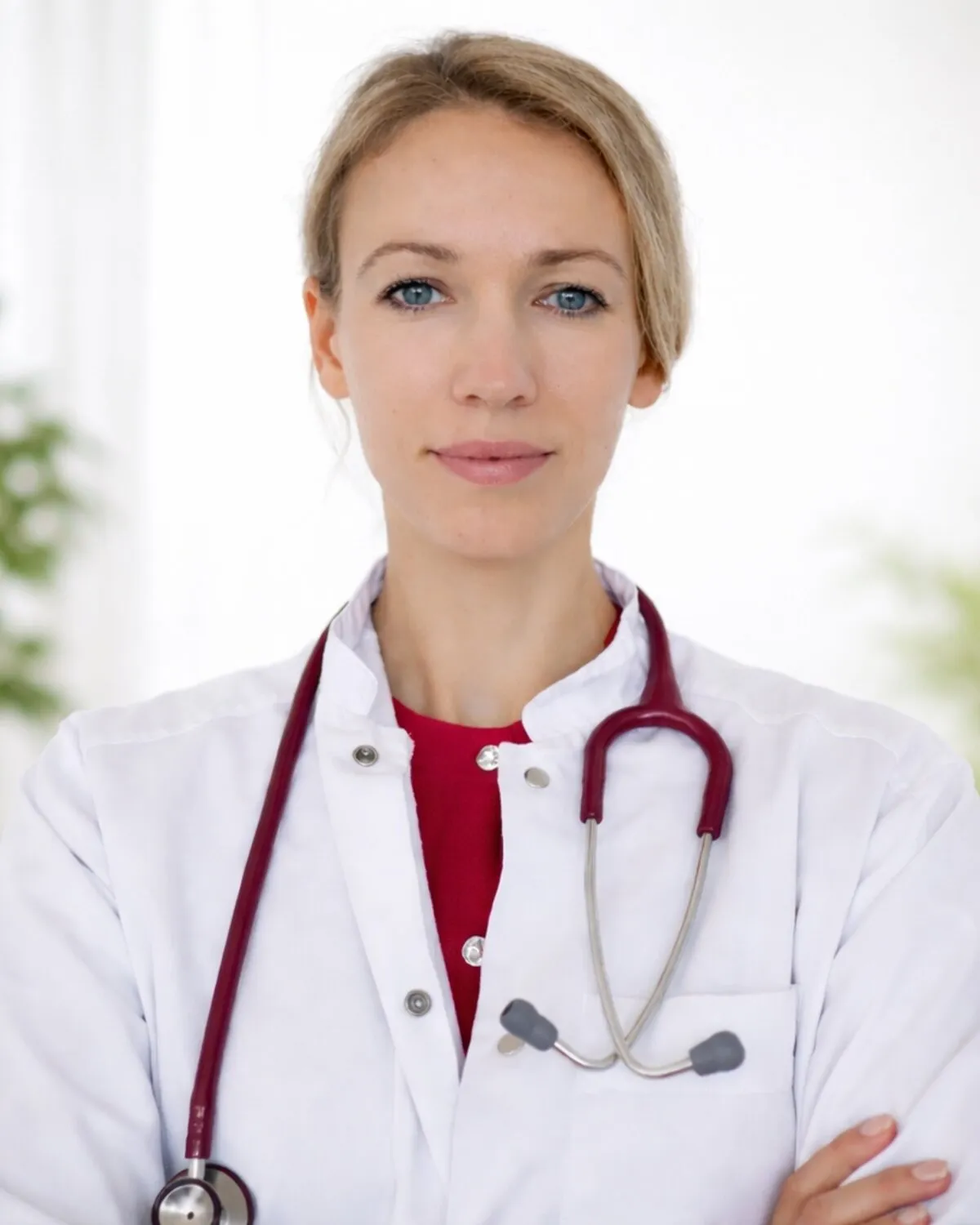
Medical Advisor
Dr. Marta Turpin
Medical Advisor
Dr. Marta Turpin
Dr. Marta Turpin supports Camino al Sol as medical advisor, helping guide our health intake standards, risk awareness, and screening protocols.
Her role strengthens the bridge between traditional ceremony and responsible medical caution, especially around medications, cardiovascular concerns, and contraindications.
Initial Application
You complete our detailed health questionnaire covering medical history, current medications, mental health background, physical health, travel context, and lifestyle factors.
Team Review
Our team reviews medication concerns, contraindications, current stability, heart and blood pressure history, pregnancy or breastfeeding status, substance use, and anything that may affect safety.
Personal Discussion
If we need more context, we schedule a conversation before acceptance so your questions and any safety concerns are addressed before travel.
Clear Decision
We provide a clear decision. If accepted, you receive preparation and logistics guidance. If not, we explain why and may suggest waiting, stabilizing, or seeking medical review first.
What separates a safer Colombian retreat from a risky one
The difference is not the country. It is the level of responsibility before, during, and after ceremony.
| Riskier setup | Safer setup | |
|---|---|---|
| Tradition | Uses Colombian imagery without explaining who leads ceremony | Clearly explains the Taita, facilitators, support roles, and ceremonial approach |
| Booking | Instant payment and confirmation | Application reviewed before acceptance |
| Medical review | Medication and health history barely discussed | Medications, contraindications, mental health, and physical health reviewed |
| Travel logistics | Arrival, transport, road access, and timing are unclear | Travel instructions, transport, arrival timing, and rest expectations are clear |
| Language and communication | No clear way to communicate needs during ceremony | Participants know who to speak to and how to ask for help |
| Ceremony support | Large groups with vague support | Small groups with facilitators present throughout |
| Aftercare | Participants leave with little guidance | Integration support included after ceremony |
How to prepare for an ayahuasca retreat in Colombia
Travel preparation is part of safety. A rushed arrival can make the ceremony harder before it even begins.
Plan enough time to arrive rested. Avoid landing after a long international flight and going straight into ceremony. Sleep, hydration, food, altitude, jet lag, and travel stress all affect your nervous system.
Before booking, ask about airport transfer, location, road conditions, packing list, dietary preparation, language support, emergency access, ceremony schedule, and how much time you should leave afterward before flying home or returning to work.
- Arrive with enough time to rest before ceremony
- Confirm transport and meeting points before travel
- Do not schedule intense work, travel, or major decisions immediately after retreat
What our guests say
"The care and love that the families of Camino al Sol give to all their guests is truly special."
Continue reading
A broader overview of screening, contraindications, preparation, support, and how the retreat team approaches safety.
Read moreUse the retreat page to compare setting, schedule, ceremony support, travel logistics, and the retreat container.
Read moreWhy the experience after ceremony matters for safety, clarity, and long-term usefulness.
Read moreAuthor / medical review
Author and safety review
Camino al Sol Team
This article is written to help readers evaluate ayahuasca safety in Colombia with practical judgment. The final decision on participation is made only after full screening and a direct review of medications, health history, mental health background, travel context, and support needs.
Camino al Sol editorial review
Expanded FAQ
Colombia and retreat safety
Choosing a retreat
Travel and logistics
Medical screening and support
If you are in crisis, experiencing suicidal thoughts, psychosis, chest pain, severe withdrawal, or another urgent medical issue, seek emergency care immediately.
Choose the container, not just the country
The safest next step is to share your medications, health history, mental health background, travel context, and support needs so the team can review whether participation is appropriate.