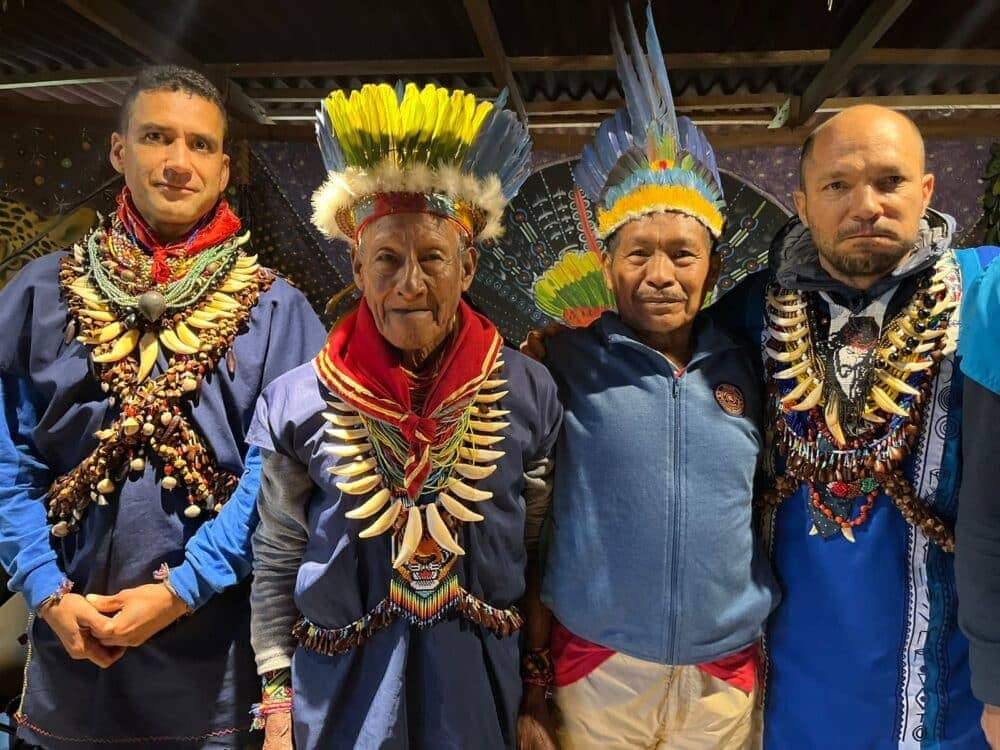
If you are preparing for your first ayahuasca ceremony in Colombia, it is natural to arrive with practical questions: what happens during the night, how the group is supported, whether you are expected to share personal experiences, and how to prepare safely.
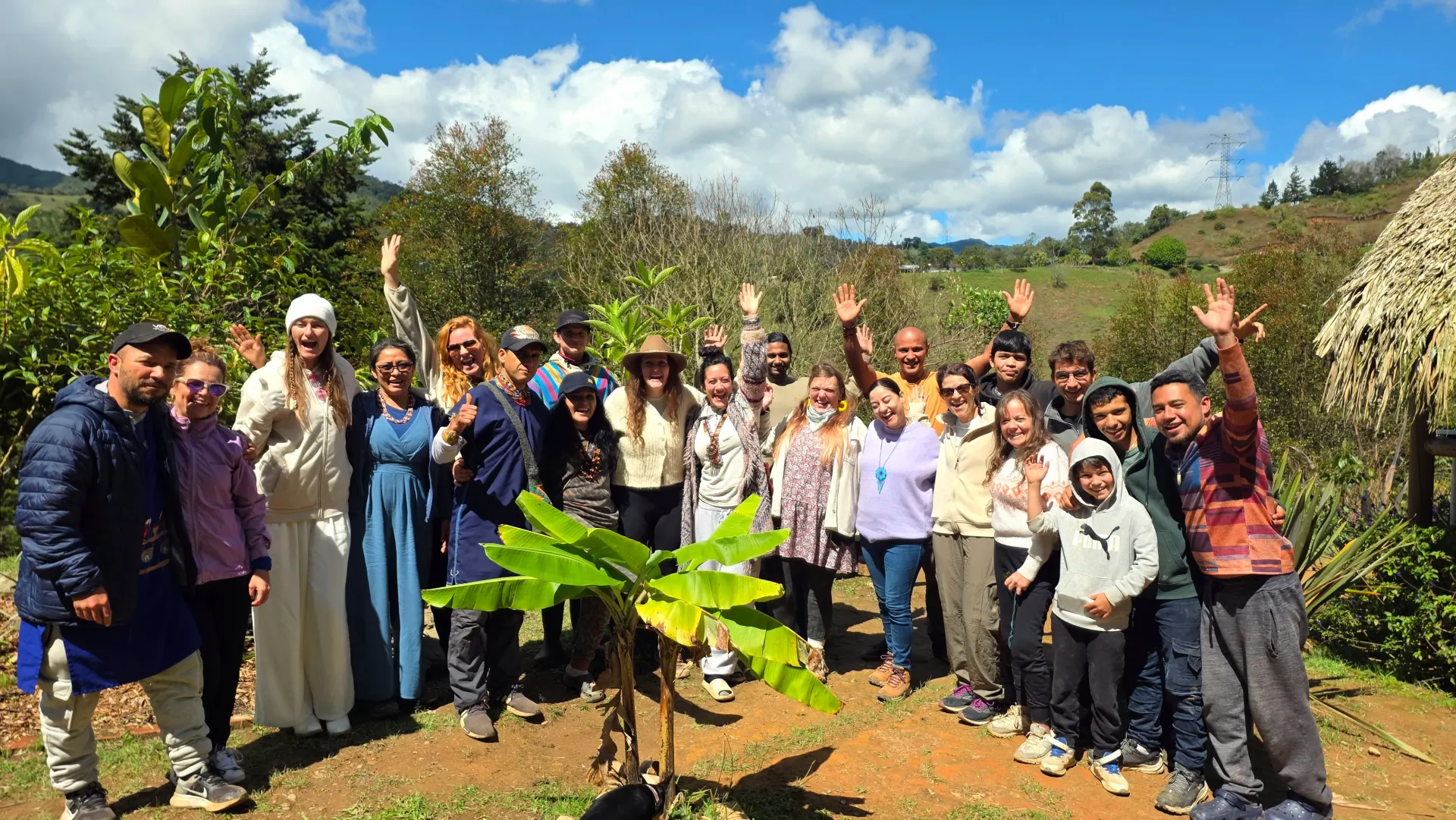
In Colombia, the medicine is traditionally known as yagé. At Camino al Sol, standard retreats take place over five nights at Yaogará in the mountains of El Retiro near Medellín, with up to 12 participants, three guided night ceremonies led by Colombian taitas, medical screening before confirmation, daytime care, and Circles of Word.
No two ceremonies follow an identical personal script. This guide explains what you can expect before, during, and after a yagé ceremony in Colombia, grounded in how our team accompanies participants.
For the name, cultural context, and Colombian tradition itself, read our guide to yagé in Colombia.
Understanding Yagé: The Sacred Vine of Colombia
Before exploring the ceremony itself, it helps to understand what makes Colombian yagé traditions distinct from ayahuasca practices found elsewhere in South America.
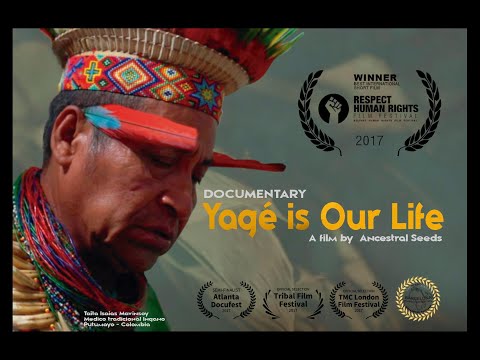
Watch this short introduction to the yagé tradition in Colombia:
The Sacred Plants
In many Colombian traditions, ceremonial work may involve Sacred Plant Medicines such as Yagé (ayahuasca), Coca, and Tobacco, following practices preserved by Indigenous communities and Elders.
The yagé brew is traditionally prepared using two primary plants:
Banisteriopsis caapi (The Vine)
Often referred to as the “vine of the soul,” this plant forms the foundation of the brew. It contains naturally occurring harmala alkaloids that function as MAO inhibitors.
Psychotria viridis (Chacruna)
These leaves contain DMT (dimethyltryptamine), the primary visionary compound associated with ayahuasca experiences.
Some Colombian Taitas also work with additional traditional plants depending on lineage, region, and ceremonial intention.
The Spiritual Understanding of Yagé
Many Indigenous traditions understand yagé as carrying a spiritual or guiding intelligence. Within these traditions, the medicine is approached with reverence, discipline, and ceremonial structure rather than casual or recreational use.
For participants, ceremony often becomes a space for reflection, emotional processing, spiritual exploration, and connection with nature, ancestry, or personal purpose.
The Sacred Lineage: Working With Authentic Taitas
Understanding Indigenous Lineage
The quality and integrity of a ceremony depend heavily on the training, experience, and lineage of the ceremonial leaders guiding it.
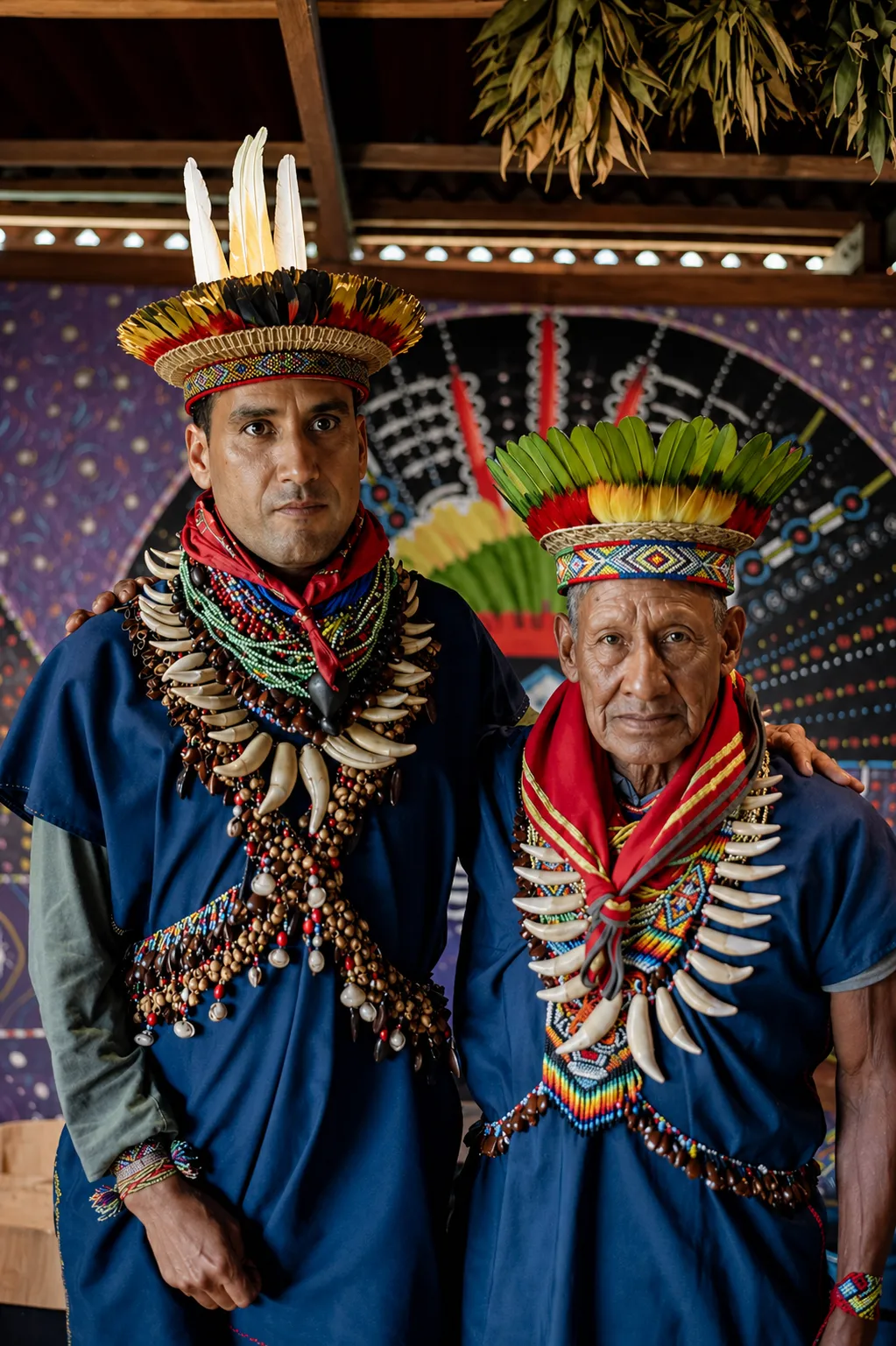
At Camino al Sol, ceremonies are guided by Taitas and traditional healers connected to Indigenous Colombian traditions including the Siona and Muinane peoples.
The Siona Tradition
The Siona people of the Colombian Amazon are widely respected for their ceremonial knowledge surrounding yagé. Traditional training for a Taita may involve many years of apprenticeship, including:
- Extended plant dietas
- Mentorship under experienced Elders
- Learning ceremonial songs and prayers
- Understanding medicinal plants and ceremonial protocols
- Developing emotional discipline and spiritual responsibility
The Muinane Tradition
Muinane traditions often emphasize:
- Relationship with nature and community
- Spiritual balance and harmony
- Traditional plant knowledge
- Ceremonial discipline and energetic awareness
What Makes a Trusted Taita
An experienced ceremonial leader typically demonstrates:
Community Recognition
- Respect within their Indigenous or ceremonial community
- Long-term experience with traditional practices
- Commitment to ethical ceremonial work
Ceremonial Skill
- Ability to maintain a calm and structured ceremonial space
- Experience supporting participants through intense emotional experiences
- Knowledge of preparation and integration practices
Cultural Responsibility
- Respect for Indigenous traditions
- Clear ceremonial boundaries
- Commitment to participant safety and proper preparation
Preparing for Ceremony
The Dieta: Physical and Mental Preparation
Preparation begins well before the ceremony itself.
Many traditions recommend a dieta—a period of simplified living intended to help participants enter ceremony with greater clarity and sensitivity.
Common Preparation Guidelines
Participants are commonly encouraged to:
- Avoid alcohol and recreational substances
- Reduce processed foods and excessive stimulants (see our ayahuasca diet preparation guide)
- Prioritize rest and hydration
- Limit excessive media consumption and distractions
- Reflect on personal intentions
For a full planning timeline before travel, read how to prepare for an ayahuasca retreat.
Important Medical Considerations
Ayahuasca and yagé preparations may interact dangerously with certain medications and health conditions.
Participants must disclose all medications, supplements, and medical conditions during screening before a retreat is confirmed. Certain antidepressants, stimulants, psychiatric medications, cardiovascular conditions, neurological disorders, and other health factors may make participation unsafe. Review our ayahuasca safety protocols and medications to avoid with ayahuasca, and never stop or change prescribed medication without your prescribing clinician.
Orientation After Arrival: Step by Step
Knowing what will happen next helps the body settle. Andrea Díaz, facilitator and ancestral therapist at Camino al Sol who supports participant and women's care, prefers explaining retreat activities progressively, day by day, rather than giving too much information in a single initial talk. Keeping the living and ceremonial spaces clean, organized, and calm—while making sure guests know they can ask for help without hesitation—is part of how the container is held before ceremony begins.
Setting Intentions for Ceremony
Intentions can help orient the ceremonial experience without attempting to control it.
Common intentions include:
- Seeking emotional clarity
- Processing grief or major life transitions
- Exploring spiritual questions
- Reconnecting with purpose or values
- Understanding behavioral or relational patterns
Helpful intentions are usually open-ended rather than rigid expectations.
The Ceremonial Space
Creating the Container
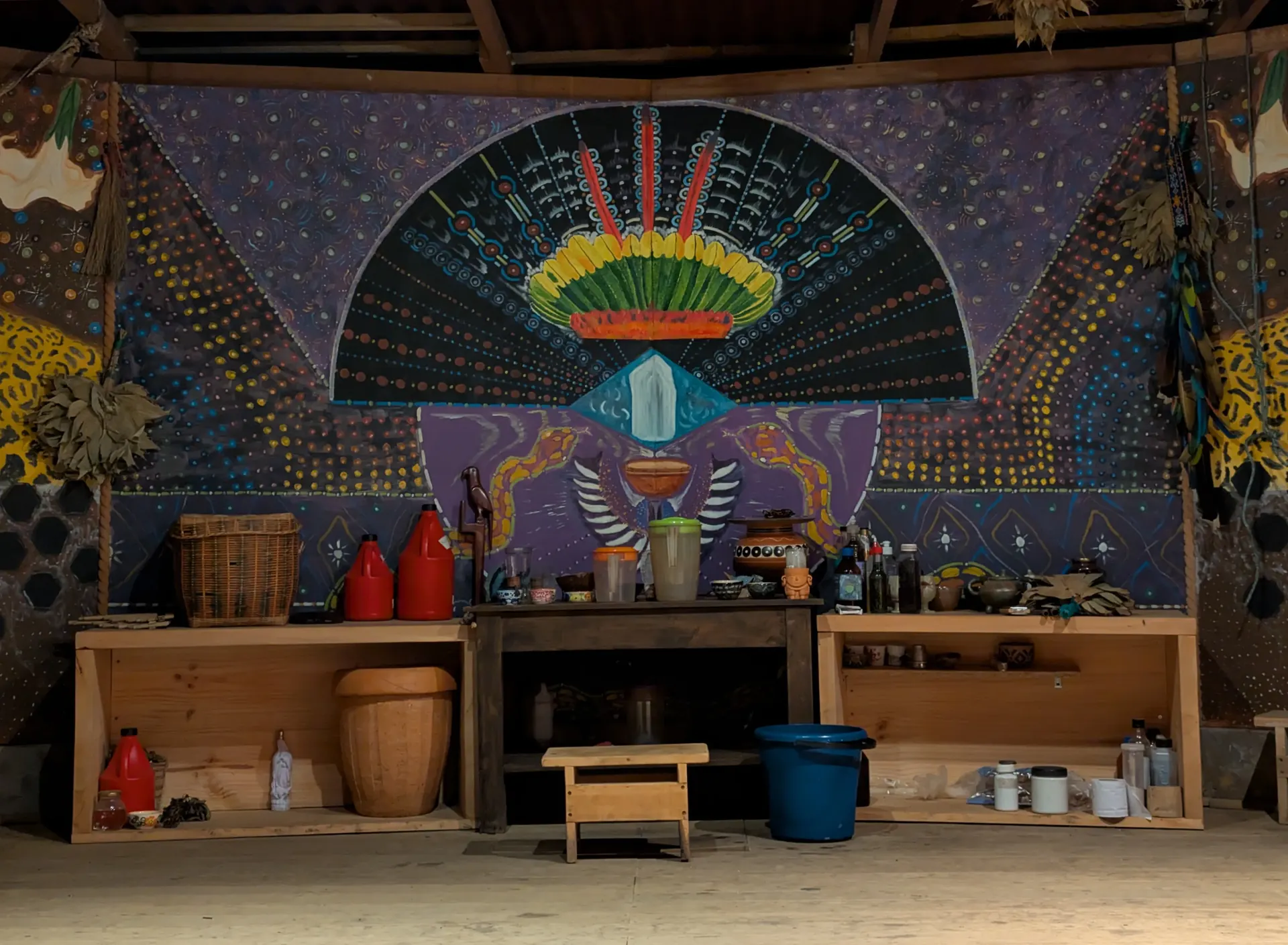
Traditional ceremonial spaces are designed to support introspection, safety, and collective focus.
Common elements include:
- Circular or communal seating
- An altar with ceremonial objects
- Blankets or mattresses for participants
- Low lighting and quiet atmosphere
- Access to bathrooms and water
Energetic and Spiritual Preparation
Depending on the tradition, ceremonies may begin with:
- Tobacco cleansing
- Prayer or invocation
- Sacred songs
- Blessings for protection and guidance
The Ceremony Process
Opening the Ceremony
Ceremony often begins after sunset.
The Taita or ceremonial leader may open the space through prayers, songs, tobacco blessings, or invocations connected to the lineage and tradition.
Receiving the Medicine
Participants are typically called one by one to receive their serving of yagé.
Before drinking, participants may silently reflect on their intentions or offer a prayer.
Serving size varies depending on:
- Experience level
- Physical sensitivity
- Emotional state
- Ceremonial context
What Does Ayahuasca Feel Like?
Experiences vary widely between individuals and ceremonies.
Some participants report:
- Emotional release
- Heightened introspection
- Visual imagery
- Physical sensations
- Deep personal memories
- Spiritual or symbolic experiences
- Increased sensitivity to music and sound
Others may experience long periods of quiet reflection with minimal visuals.
No two ceremonies are identical.
How the First Ceremony Often Differs From the Second and Third
In her work accompanying guests at Camino al Sol, Andrea Díaz emphasizes that every body and process is different. Many people arriving for the first time carry understandable uncertainty, wondering what will happen during the retreat.
In her observation, the first ceremony often brings substantial emotional and physical movement: fatigue, sensitivity, a need for silence, tears, or a need to rest. By the second and third days, as an environment of trust develops where people feel they can be themselves, many appear calmer, more open, and more settled in the space—though experiences always vary and no single pattern is expected of everyone.
Phases of the Experience
Onset (30–60 Minutes)
Participants may begin noticing:
- Changes in perception
- Heightened emotional awareness
- Physical sensations
- Increased introspection
Peak Experience (1–4 Hours)
This phase may include:
- Intense emotional processing
- Symbolic visions or imagery
- Personal insights
- Deep introspection
- Physical purging
Gradual Return (4–8 Hours)
Participants often transition slowly back into ordinary awareness while continuing to reflect on the experience.
The Role of Icaros and Sacred Music
Throughout ceremony, Taitas may sing traditional songs known as icaros.
These songs are traditionally understood to help guide the ceremonial process, maintain focus, and support participants emotionally and spiritually.
Different songs may be used for:
- Grounding
- Cleansing
- Protection
- Emotional support
- Closing the ceremony
Music is often considered one of the central elements of the experience.
Understanding La Purga
Physical and Emotional Release
Purging is commonly associated with ayahuasca ceremonies.
This may include:
- Vomiting
- Crying
- Sweating
- Trembling
- Emotional release
Within many traditions, purging is viewed as part of a cleansing or releasing process rather than simply a side effect.
Approaching Purging Calmly
Participants are encouraged to:
- Avoid resisting the process
- Stay hydrated appropriately
- Maintain respect for others in ceremony
- Recognize that purging experiences vary widely
Not everyone purges physically.
Navigating Challenging Experiences
Not all parts of ceremony feel comfortable.
Participants may encounter:
- Fear or anxiety
- Difficult memories
- Emotional overwhelm
- Confusion
- Intense introspection
Difficult experiences can sometimes become meaningful parts of the integration process when approached with proper support and preparation.
Helpful Approaches During Difficult Moments
- Focus on breathing
- Avoid resisting the experience
- Ask facilitators for support if needed
- Remember the experience is temporary
- Stay grounded in the ceremonial environment
Experienced facilitators help maintain structure, safety, and emotional support throughout the ceremony.
Ceremony Etiquette
Respecting the Space
Participants are generally asked to:
- Maintain silence during ceremony
- Avoid interrupting others
- Move slowly and quietly
- Follow facilitator guidance
- Respect the ceremonial atmosphere
Supporting the Group Experience
Group ceremony can create a strong sense of shared vulnerability and connection.
Participants often benefit from:
- Mutual respect
- Compassion
- Confidentiality
- Non-judgment
- Presence
Between Ceremonies: Plant Baths, Pacing, and the Right to Rest
What happens during the day matters as much as what happens at night. During a multi-day retreat at Camino al Sol, daytime care can include plant baths and ancestral body therapy, which in Andrea Díaz's traditional practice help participants release physical tension and reconnect with their bodies.
Rather than enforcing a rigid schedule, Andrea describes her approach as reading each person's timing (leer los tiempos). She observes how much a participant's body has already received during the day—for example, after visiting the waterfall or river practices—and if the person needs rest, she postpones a plant bath or therapy to the following day so the body can receive it in a calm state.
That respect extends to rest and ceremony attendance. If a participant states clearly that they need to sleep, be quiet, or not attend a ceremony, Andrea respects that wish completely without trying to persuade them otherwise. Learning to listen to your own body and recognize when to pause is part of the process.
Integration: Circles of Word and Bringing the Experience Into Daily Life
The Circle of Word and the Right Not to Speak
A central part of daytime integration at Camino al Sol is the Circle of Word (círculo de palabra). First-time guests often wonder whether they will be required to recount private ceremony experiences in front of the group.
As Andrea Díaz explains, speaking in the Circle of Word is completely optional. If you prefer not to talk about what you lived in ceremony, that choice is respected—you do not have to explain, justify, or share anything you do not wish to. As the word travels around the circle, one person's reflection often resonates with another, allowing participants to feel accompanied simply by listening until they find their own moment to speak.
The Ceremony Continues Afterwards
For many people, the most important work begins after returning home. Read our ayahuasca integration guide for how we support this transition.
Integration involves making sense of insights, emotions, and experiences in a grounded and practical way.
Helpful Integration Practices
- Journaling
- Rest and recovery
- Time in nature
- Therapy or counseling
- Meditation
- Community support
- Honest self-reflection
The long-term value of ceremony often depends less on the intensity of the experience and more on the changes integrated into daily life.
Women and Traditional Ceremonial Perspectives
Some traditional lineages prefer that women avoid ceremony during menstruation, viewing this period as spiritually significant and energetically sensitive.
Practices vary between traditions, facilitators, and communities.
Participants are encouraged to discuss questions openly with ceremony organizers before attending.
Is Ayahuasca Legal in Colombia?
Ayahuasca and yagé exist within a complex legal and cultural context globally.
In Colombia, traditional ceremonial use of yagé has longstanding Indigenous cultural roots. However, laws and enforcement vary internationally, especially for travelers returning to other countries.
Participants are responsible for understanding the laws relevant to their own country and circumstances.
Questions to Ask Before Choosing a Retreat
Before attending any ceremony, consider asking:
- Who leads the ceremonies?
- Is medical screening required?
- What safety protocols are in place?
- Is integration support offered?
- How large are ceremonies?
- Are facilitators experienced with crisis support?
- Is the retreat connected to authentic traditions?
- How is participant wellbeing prioritized?
Choosing a responsible retreat environment matters significantly.
Ethical Considerations
Working with Indigenous ceremonial traditions carries ethical responsibilities.
Important Principles
- Respect Indigenous knowledge and traditions
- Support ethical and sustainable practices
- Avoid romanticizing or appropriating cultures
- Prioritize humility over spiritual status
- Focus on integration and personal responsibility
Authentic ceremony is not about escapism or collecting extreme experiences. It is about sincere self-exploration approached with care and respect.
Preparing for Your First Ceremony
Mental and Emotional Readiness
Helpful questions to ask yourself:
- Why am I seeking this experience?
- Am I emotionally prepared for uncertainty?
- Do I have support for integration afterwards?
- Am I approaching this respectfully rather than impulsively?
What to Bring
Recommended items:
- Comfortable clothing
- Water bottle
- Journal and pen
- Blanket or shawl
- Personal toiletries
- Flashlight
- Extra clothes
Important Safety Reminder
Ayahuasca and yagé ceremonies involve powerful psychoactive plant preparations and are not appropriate for everyone.
Participation should only occur after proper medical and psychological screening with experienced facilitators.
People with certain medical or psychiatric conditions may face increased risks.
Your Journey With Yagé
For many participants, yagé ceremony becomes part of an ongoing process of reflection, integration, and personal responsibility rather than a single event.
At Camino al Sol, we support these ceremonial traditions by prioritizing medical screening, small-group care, cultural respect, and practical integration.
If you are comparing retreats or planning your visit, explore our guide to choosing an ayahuasca retreat in Colombia or view our Medellín retreat dates, logistics, and inclusions.
Ready to learn more about authentic yagé ceremonies in Colombia? Schedule a conversation with our team to discuss preparation, screening, and whether this experience may be appropriate for you.
