
Many people arrive at their first ayahuasca retreat carrying unconscious expectations about what the experience is supposed to look like.
They expect visions. Mystical revelations. Ego death. Emotional breakthroughs. Conversations with spirits. Instant healing.
Sometimes those things happen.
Sometimes they do not.
One of the most misunderstood aspects of ayahuasca is that there is no single type of journey. Two people can sit in the same ceremony, drink from the same batch, and have radically different experiences.
Understanding this matters because unrealistic expectations often create unnecessary fear, disappointment, or confusion.
Ayahuasca does not follow a script.
It tends to give people the experience they need more than the one they imagine.
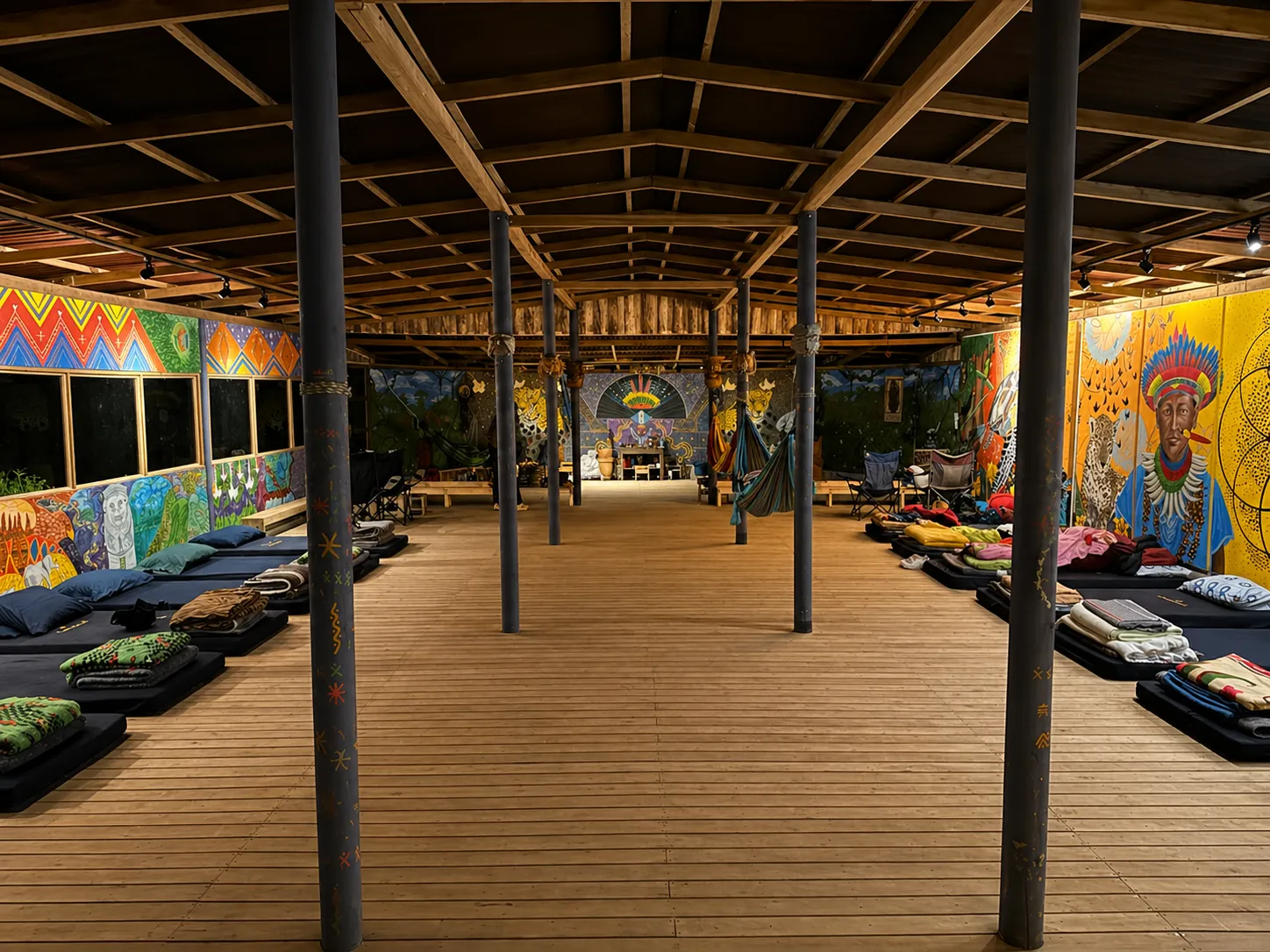
Every ayahuasca journey unfolds differently depending on the individual and the moment.
The Emotional Journey
For many people, ayahuasca works primarily through emotion.
This type of journey may involve:
- Grief surfacing unexpectedly
- Crying for long periods
- Revisiting painful memories
- Feelings of forgiveness or compassion
- Emotional release connected to relationships or childhood
- Intense vulnerability
- Deep love or connection
These experiences are not always visually dramatic, but they can be profoundly impactful.
Sometimes the ceremony feels less like "seeing visions" and more like finally feeling emotions that have been suppressed for years.
For people who have spent long periods emotionally disconnected or intellectually defended, this can feel destabilizing at first.
That is one reason preparation and integration matter so much.
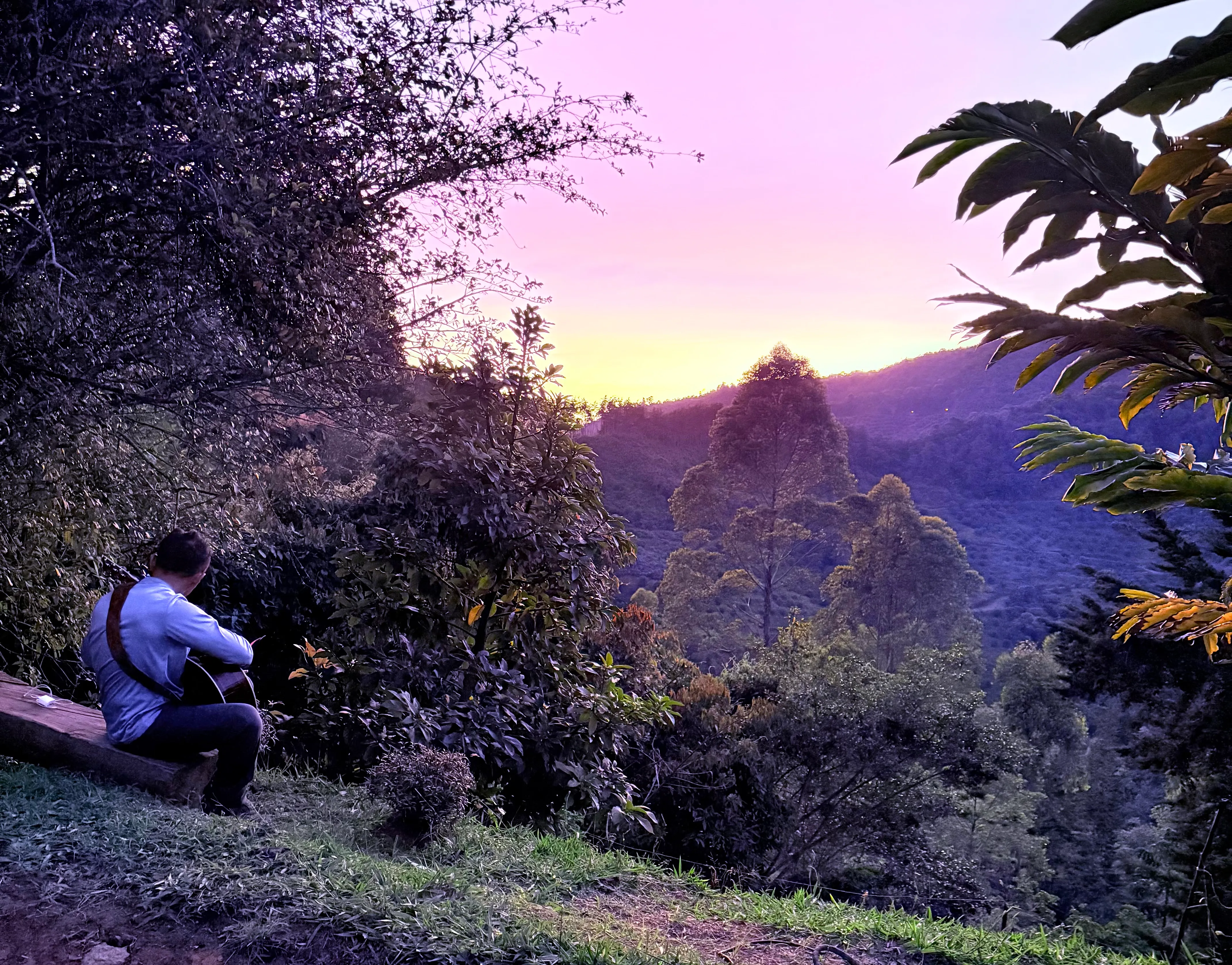
Emotional processing is one of the most common forms of ayahuasca work.
The Visionary or Mystical Journey
This is the type of ayahuasca experience most people hear about online.
It may include:
- Geometric patterns
- Encounters with symbolic imagery
- A sense of unity or interconnectedness
- Intense visual landscapes
- Encounters with archetypal themes
- Experiences interpreted as spiritual awakening
For some people, these journeys feel sacred and life-changing.
For others, they can feel overwhelming or difficult to interpret.
It is important not to automatically treat visionary experiences as literal truth. The meaning of ceremony often becomes clearer slowly through reflection and integration over time.
At Camino al Sol, the focus is not on chasing visions but on approaching the process with humility, preparation, and psychological grounding.
You can read more about preparation in our article on how to choose a good ayahuasca retreat.
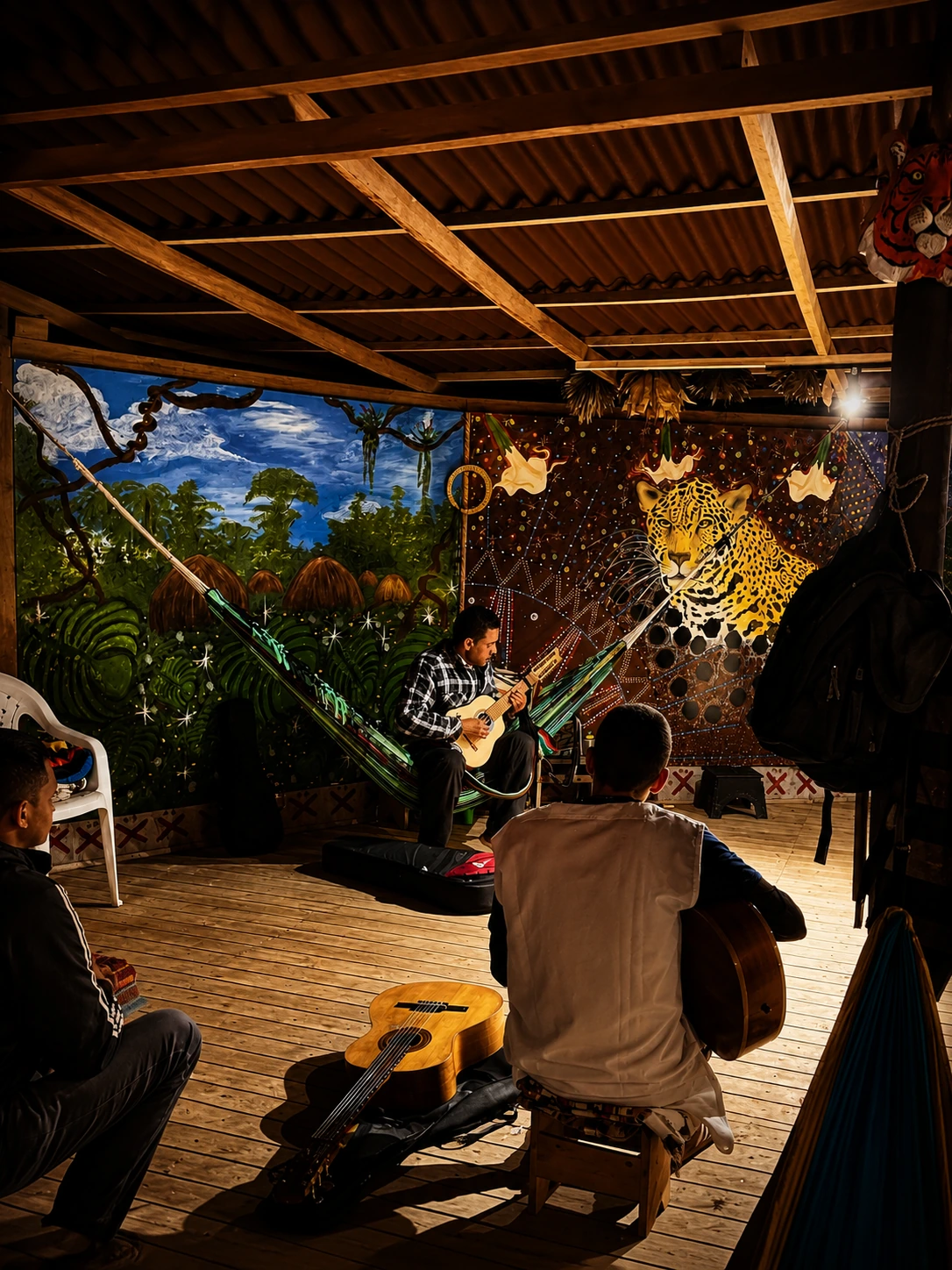
Mystical experiences can happen, but they are not the measure of a meaningful ceremony.
The Physical Cleansing Journey
Ayahuasca is often associated with physical purging.
This may include:
- Vomiting
- Sweating
- Trembling
- Intestinal release
- Temperature fluctuations
- Physical fatigue
- Strong bodily sensations
In traditional contexts, purging is often viewed as part of a cleansing process.
At the same time, it is important not to romanticize discomfort. Physical intensity can sometimes be emotionally challenging or exhausting, especially for people who arrive unprepared.
Not everyone purges physically. Some people experience release emotionally, mentally, or energetically instead.
The absence of purging does not mean the ceremony "didn't work."
For a deeper explanation, see why people purge during ayahuasca ceremonies.
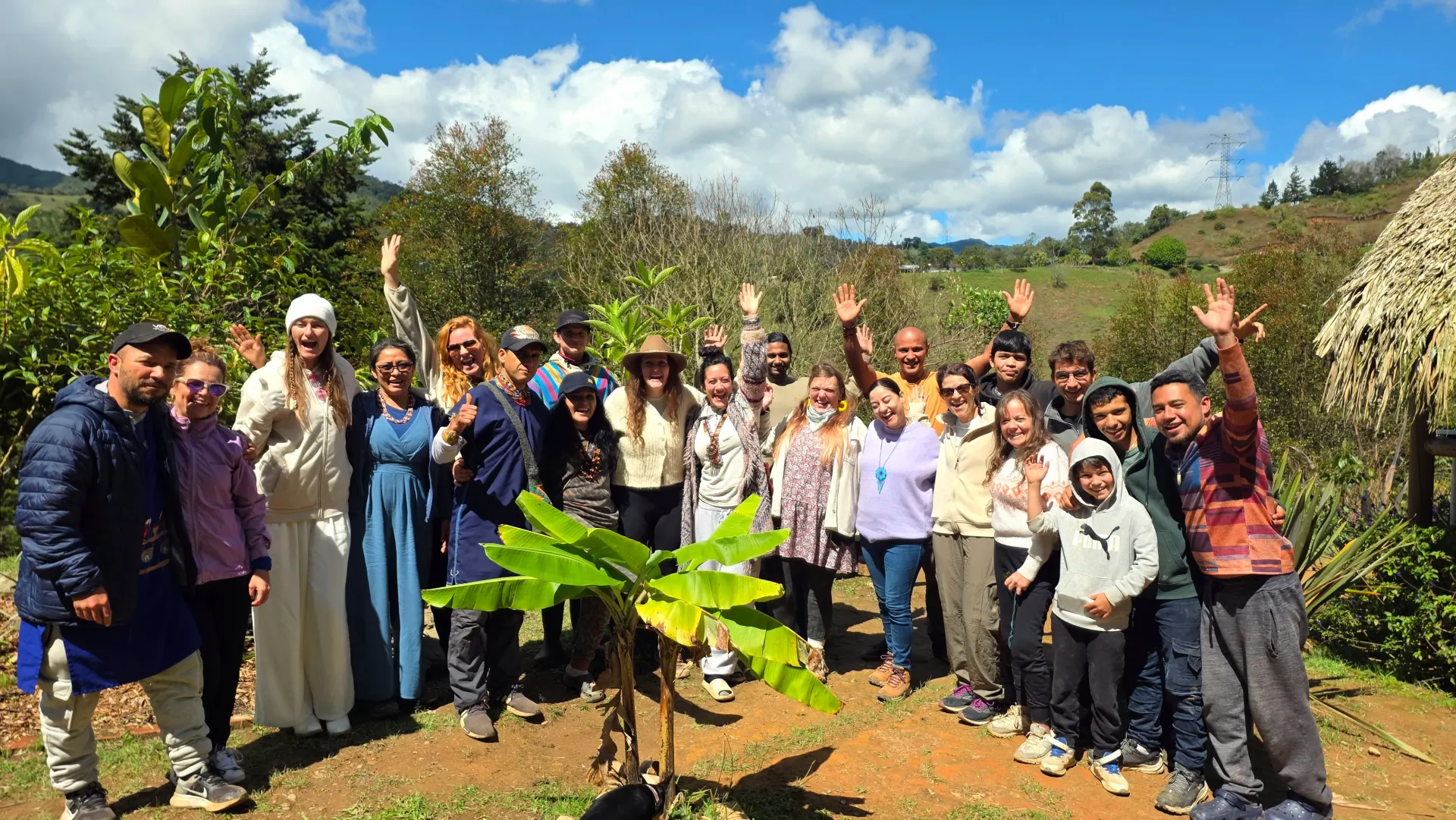
Physical experiences vary widely between ceremonies and participants.
The Silent or Subtle Journey
One of the least discussed ayahuasca experiences is the quiet journey.
Some people feel:
- Very little visually
- Mostly calm observation
- Mild emotional shifts
- Subtle insights
- Heightened awareness without intensity
- Long periods of silence or stillness
This can create disappointment if someone expected dramatic effects.
But subtle ceremonies are not necessarily weak ceremonies.
Sometimes ayahuasca works slowly. Sometimes the process continues unfolding for weeks afterward. Sometimes a person's nervous system may simply require a gentler experience.
Comparing journeys often creates unnecessary confusion.
The ceremony is not a performance.
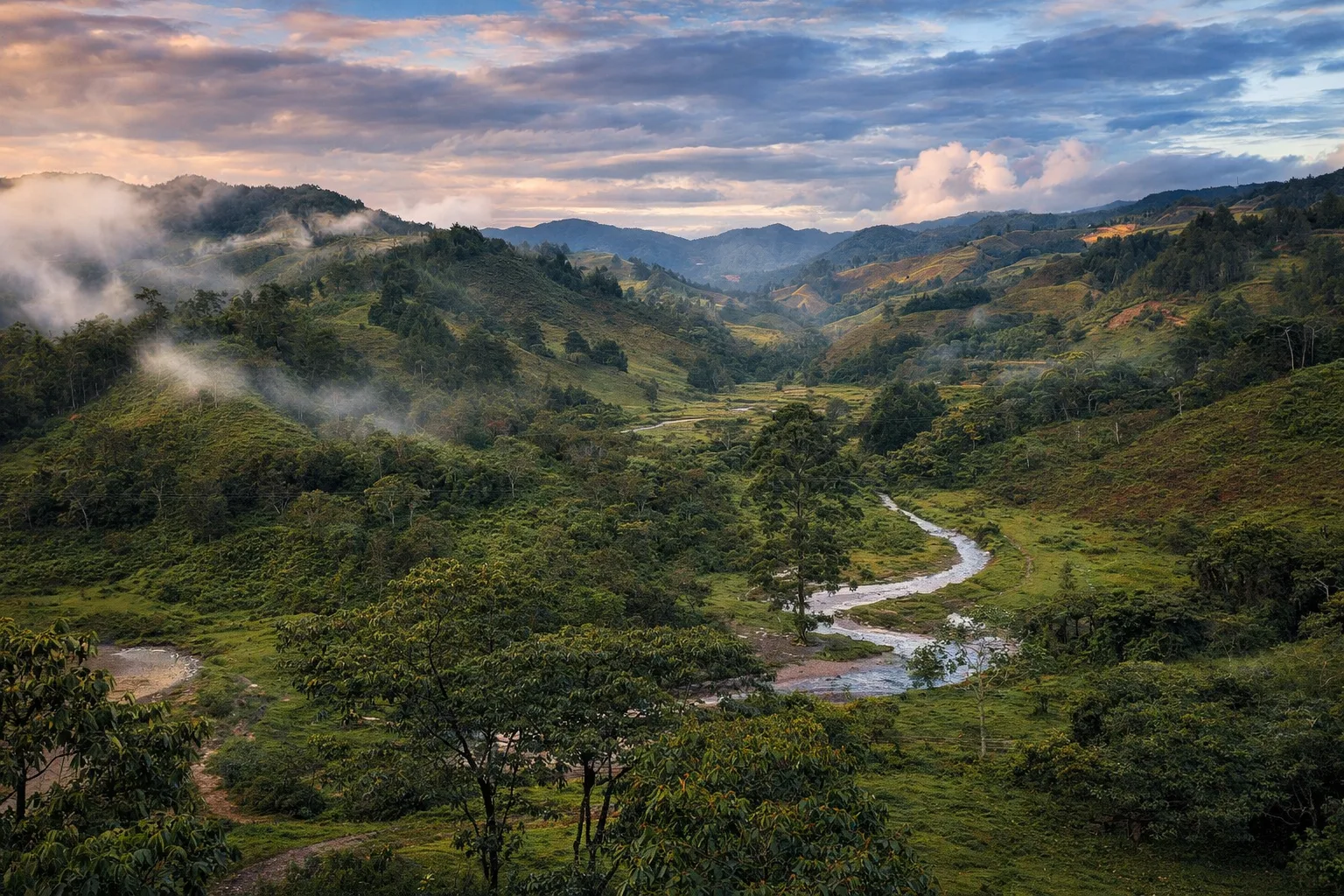
Some ceremonies are quiet, subtle, and reflective rather than intense.
The Confrontational Journey
Some ceremonies are deeply difficult.
Ayahuasca can amplify fear, confusion, grief, shame, existential questions, or unresolved trauma.
This is part of why responsible retreats emphasize:
- Screening
- Preparation
- Experienced facilitation
- Emotional support
- Integration afterward
People sometimes describe difficult ceremonies as "bad trips," but that language can oversimplify complex experiences.
Some difficult ceremonies become meaningful later.
Others may remain emotionally destabilizing.
This is why ayahuasca is not appropriate for everyone, especially individuals with certain psychiatric conditions, emotional instability, or contraindicated medications.
If you are unsure whether ayahuasca is appropriate for you, our ayahuasca safety guide explains important considerations.
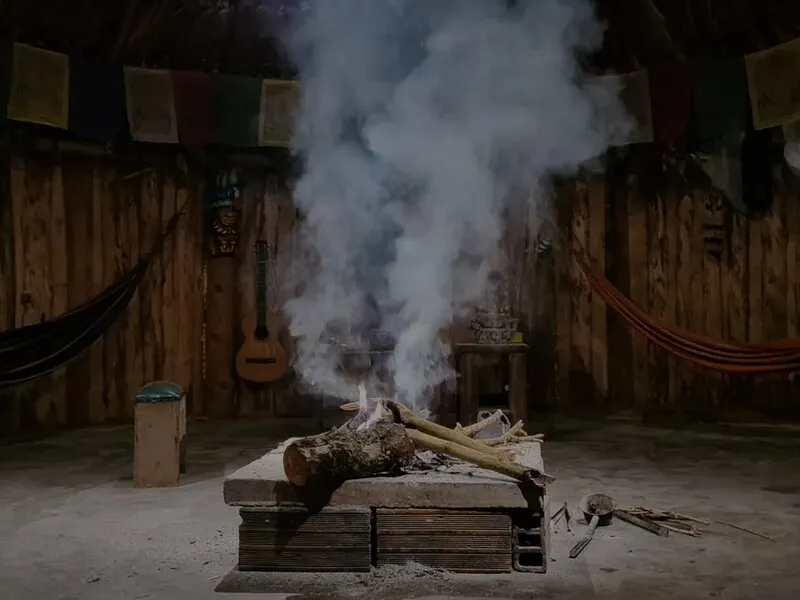
Difficult ceremonies are one reason preparation and support matter deeply.
The Relational Journey
Sometimes the ceremony focuses less on the self and more on relationships.
People may revisit:
- Family dynamics
- Romantic relationships
- Parenting
- Friendships
- Feelings of isolation
- Patterns of conflict or avoidance
These journeys can create clarity around how a person relates to others and themselves.
For some participants, this becomes one of the most practical and life-changing aspects of the process.
The insights themselves are rarely enough on their own. What matters is whether those insights are integrated into real life afterward.
Why Comparing Journeys Can Be Harmful
One person may have powerful visions.
Another may simply sit quietly and cry.
Another may feel almost nothing.
This does not mean one ceremony was "better."
Social media and online storytelling often create unrealistic expectations around ayahuasca. People naturally share the most dramatic experiences, but many meaningful ceremonies are subtle, emotional, confusing, or difficult to explain.
A grounded retreat should help participants avoid attaching their worth or progress to the intensity of the experience.
The Real Question Is Not What Type of Journey You Want
The more important question is whether you are prepared for uncertainty.
Ayahuasca can be beautiful, emotional, difficult, confusing, peaceful, terrifying, subtle, or transformative.
Sometimes all within the same night.
The healthiest approach is usually not chasing a specific type of experience but approaching the process with honesty, humility, preparation, and support.
At Camino al Sol, ceremonies are approached with careful screening, traditional context, and integration support rather than promises of guaranteed outcomes or mystical transformation.
Preparation and integration matter more than chasing intensity.
