
The ceremony may be over, but the work is not.
Sometimes the days after ayahuasca feel clear and peaceful. Sometimes they feel raw, confusing, emotional, or strangely ordinary. You may feel like everything has changed. You may also wonder why nothing feels different yet.
Both can happen.
Integration is the process of meeting what the medicine showed you and slowly allowing it to change how you live. Not all at once. Not through force. Not through dramatic decisions made from an open nervous system.
The real question is simple:
What do you do next?
Quick answer: what should you do after ayahuasca?
After ayahuasca, the most important things are rest, hydration, gentle food, quiet reflection, emotional honesty, and steady support. Avoid rushing back into intensity. Avoid making major life decisions in the first few days. Write down what you remember, but do not try to understand everything immediately.
A strong ceremony can open something. Integration is how you learn to live with what opened.
For deeper support, read our guide to ayahuasca integration, or learn how our ayahuasca retreat near Medellín includes preparation, ceremony, and post-retreat support.
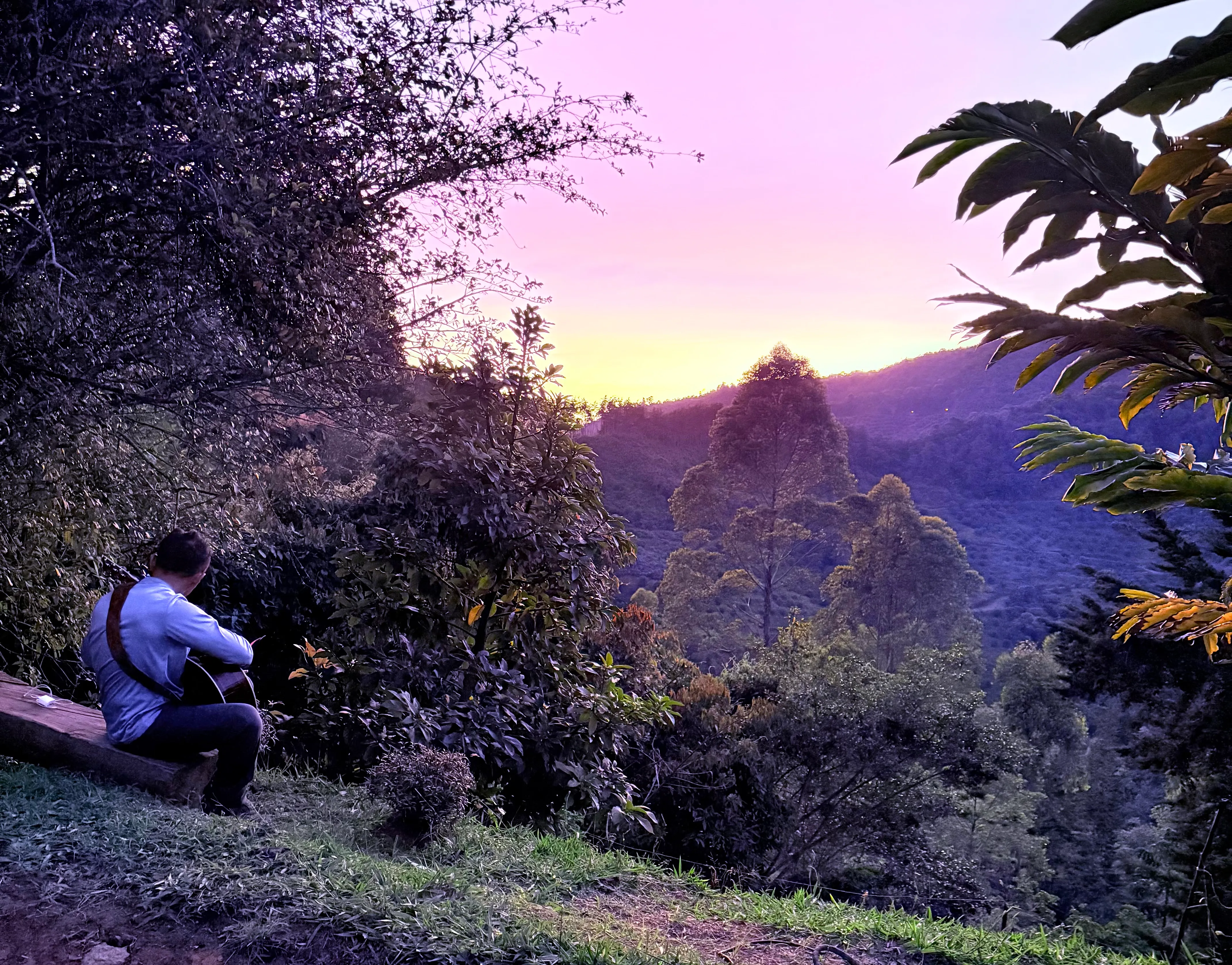
A quiet sunset view gives space for reflection after the retreat.
The first 24 hours: do less than you think
The first day after ceremony is not the time to solve your life.
Your body may still be tired. Your emotions may still be open. Your mind may want to explain everything, organize everything, tell everyone, and decide what it all means.
Slow down.
Eat simple food. Drink water. Rest. Walk gently. Stay close to nature if you can. Keep your phone use low. Let the experience settle before you try to turn it into a story.
A useful question for the first day is not, "What does it all mean?"
A better question is:
"What needs care right now?"
That might be your body. It might be your nervous system. It might be a quiet place to sit. It might be a conversation with someone grounded who understands this kind of work.
The first week: protect the opening
The first week after ayahuasca is delicate.
You may feel more sensitive than usual. Music may feel stronger. Conversations may feel heavier. Old patterns may become obvious. Some people feel spacious and connected. Others feel tired, exposed, or unsure of themselves.
This does not mean something is wrong.
It means the experience is still moving through you.
During the first week, keep your life as clean and steady as possible. Sleep enough. Eat in a way that supports your body. Avoid heavy alcohol use, recreational substances, unnecessary conflict, and overstimulation. If possible, do not rush into crowded environments or high-pressure work situations immediately after retreat.
You do not need to become a new person in seven days.
You need to listen.
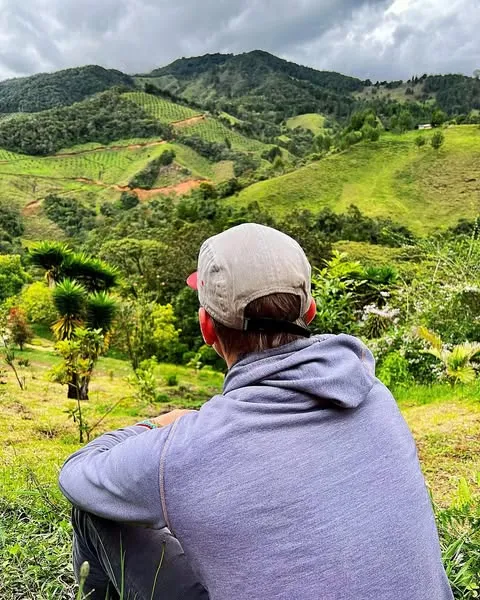
The vast mountain landscape offers space for reflection.
Do not confuse insight with integration
Ayahuasca can show you something with force.
A relationship pattern. A grief you avoided. A truth about your work. A memory. A sense of love. A sense of fear. A vision that feels larger than language.
That insight may matter.
But insight is not the same as integration.
Integration begins when the insight becomes behavior. That could mean apologizing without drama. Setting a boundary. Going back to therapy. Changing how you speak to your partner. Eating differently. Sleeping more. Spending less time in distraction. Creating space for prayer, silence, movement, or honest conversation.
The medicine may show you the door.
You still have to walk through it.
What not to do after ayahuasca
The most common mistake after ceremony is moving too fast.
Do not immediately quit your job, end your relationship, move countries, post everything online, or decide that one ceremony has revealed the full truth of your life.
Maybe a change is needed.
But if the change is real, it can survive a few weeks of reflection.
Also avoid turning every image or sensation into a fixed interpretation. Not every vision is a command. Not every fear is a warning. Not every beautiful feeling is a permanent state.
Some things are messages. Some things are emotional releases. Some things are symbolic. Some things may only make sense months later.
Let the experience breathe.
If the ceremony was difficult
A difficult ceremony does not automatically mean something went wrong.
Some ceremonies are uncomfortable because they bring up what has been buried. Fear, grief, shame, anger, confusion, and resistance can all appear. In traditional yagé work, not every important process feels peaceful while it is happening.
Still, difficulty should be handled carefully.
If you feel emotionally raw after ceremony, stay close to support. Speak with your facilitators if you are still at the retreat. If you are already home, reach out to someone grounded. A therapist, integration practitioner, trusted friend, or experienced guide can help you separate real insight from emotional overwhelm.
If you experience suicidal thoughts, psychosis, chest pain, severe withdrawal, or another urgent medical issue, seek emergency care immediately.
This page is educational and does not replace medical advice. Do not stop or change medication without speaking with a qualified medical professional.
For preparation and safety context, see our guide to ayahuasca safety.
Simple integration practices that actually help
Integration does not need to be complicated.
Start with what is repeatable.
Write for 10 minutes each morning. Do not try to make it beautiful. Write what you remember, what you feel, and what life is asking from you now.
Walk outside without headphones. Let your body digest the experience without adding more input.
Choose one small change. Not ten. One. Maybe you call your mother. Maybe you stop drinking for a while. Maybe you return to therapy. Maybe you create a morning practice. Maybe you sleep earlier.
Speak with one person who can listen without making the experience smaller or bigger than it was.
Keep returning to the body. Breath, food, movement, sleep, sunlight, and time in nature are not side details. They are part of the work.
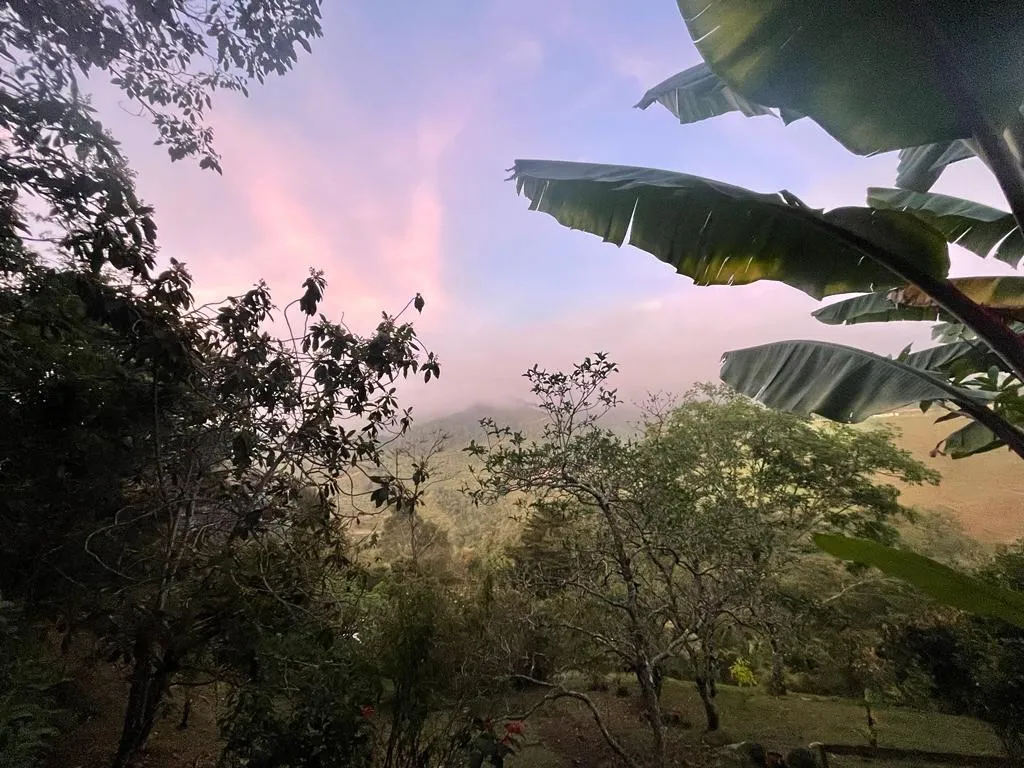
Sunrise colors frame the mountain view from the retreat.
When to get professional support
Some integration needs more than journaling.
Consider professional support if you feel persistently destabilized, unable to sleep for several nights, unusually paranoid, severely anxious, detached from reality, or unable to function in daily life. Also seek support if the ceremony brought up trauma that feels too large to process alone.
A qualified therapist does not need to have all the same spiritual beliefs as you. What matters is whether they can help you stay grounded, safe, honest, and connected to your life.
If you are on psychiatric medication, have a history of psychosis, bipolar disorder, suicidal ideation, severe trauma, or complex medical conditions, integration should not be treated casually. These are not reasons to panic. They are reasons to involve the right support.
Why integration starts before the ceremony
The best integration does not begin after ayahuasca.
It begins before.
How you prepare, why you come, who holds the ceremony, how screening is done, and what kind of support exists afterward all shape the integration process. A retreat is not only about the night of ceremony. It is about the whole container.
At Camino al Sol, our work with yagé is held in the mountains of Antioquia, near Medellín, with experienced taitas, small groups, preparation guidance, medical screening before acceptance, and integration support.
We do not treat ayahuasca as a quick fix.
The ceremony matters. The music matters. The lineage matters. The setting matters. But what you do afterward matters just as much.
If you are considering this work, you can review our upcoming retreat dates or start with the application process. The application is not a commitment. It helps us understand whether this is the right container for you.
The real work is how you return
Ayahuasca can open a door, but it does not live your life for you.
You return to your home. Your family. Your work. Your habits. Your phone. Your patterns. Your responsibilities.
That is where integration becomes real.
Not in the memory of the ceremony, but in the way you speak tomorrow. The way you rest. The way you tell the truth. The way you stop abandoning yourself in small, familiar ways.
Do not rush it.
Let the medicine continue teaching through how you live.
