
Something in you has already started preparing.
Maybe you have been reading about ayahuasca for months. Maybe you have booked a retreat and now the reality is getting closer. Maybe part of you feels ready, while another part still has questions.
That is normal.
Preparing for an ayahuasca retreat is not about becoming perfect before you arrive. It is not about forcing yourself into a spiritual state, memorizing the right intention, or trying to control what happens in ceremony.
It is about becoming honest.
Honest about your body.
Honest about your medications.
Honest about your emotional state.
Honest about why you are coming.
At Camino al Sol, we work with yagé, the Colombian name for ayahuasca, in the mountains of Antioquia near Medellín. Preparation matters because this is not a casual experience. It asks something from you before, during, and after ceremony.
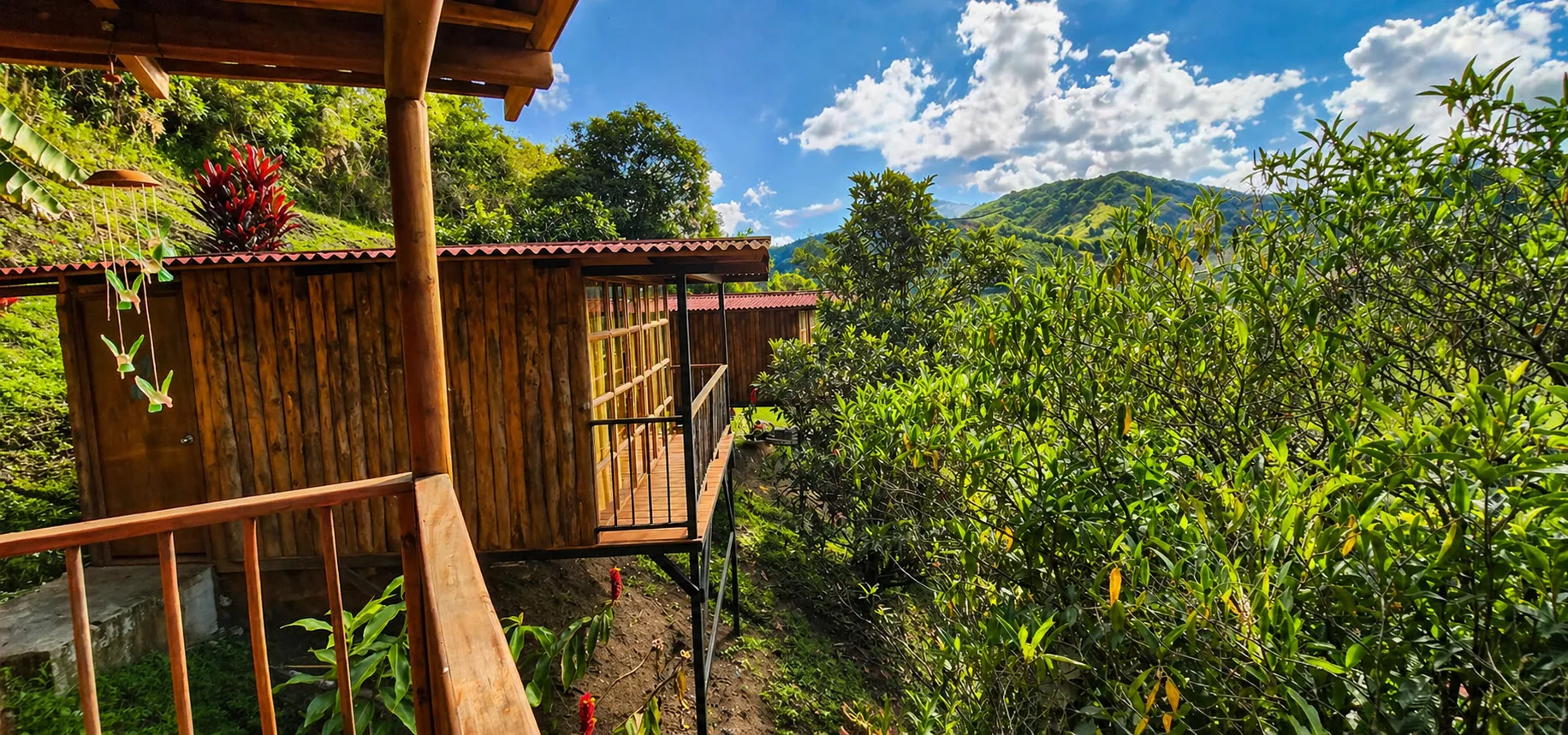
Preparation begins before ceremony - with the environment, the body, and the decision to slow down.
Quick answer
To prepare for an ayahuasca retreat, start with medical screening, disclose all medications and health history, reduce alcohol and recreational substances, follow the retreat's food guidance, rest well, pack simply, set a clear but flexible intention, and plan time for integration afterward.
Do not stop or change medication on your own. Ayahuasca can interact with certain medications and health conditions, especially because traditional ayahuasca preparations contain compounds with MAOI activity. For general background, see this overview of ayahuasca pharmacology and safety considerations and this review on ayahuasca and mental health considerations.
The first step is not the dieta.
The first step is screening.
Start with the part people want to skip
Many people want to begin with food.
What should I eat?
Can I drink coffee?
How many days before should I stop meat?
Should I fast?
Those questions matter. But they are not the most important questions.
The real preparation starts with safety.
Before attending a serious retreat, you should be asked about medications, psychiatric history, heart conditions, blood pressure, substance use, pregnancy, and recent emotional instability. This is not bureaucracy. It is part of the container.
Ayahuasca is not safe for everyone.
Some people need extra medical review. Some should wait. Some should not drink at all unless a qualified professional clears them. This is especially important if you take antidepressants, psychiatric medication, stimulants, blood pressure medication, heart medication, or any medication affecting serotonin, blood pressure, or the nervous system.
At Camino al Sol, guests complete screening before acceptance. You can read more about our safety-first approach on our ayahuasca safety page.
This page is educational and does not replace medical advice. Do not stop or change medication without speaking with a qualified medical professional.
If you are in crisis, experiencing suicidal thoughts, psychosis, chest pain, severe withdrawal, or another urgent medical issue, seek emergency care immediately.
Tell the whole truth in your screening
Screening only works if you are honest.
Do not hide medication because you are afraid of being rejected. Do not minimize recent panic attacks, psychosis, bipolar episodes, suicidality, heavy substance use, or unstable blood pressure. Do not assume something is irrelevant because it feels private.
The purpose of screening is not to judge you.
It is to protect you.
A responsible retreat would rather slow down the process than put someone into ceremony under unclear conditions. This is especially true with ayahuasca because of possible interactions with certain medications and substances. A recent review article on psychedelics notes that psychedelics can carry psychological and physiological risks, especially outside controlled settings.
If something feels important, disclose it.
If you are unsure whether it matters, disclose it anyway.
Medication preparation is not DIY
This is where people make dangerous mistakes.
Some websites tell people to stop medications before ayahuasca. That is not responsible advice. Medication changes should be handled with a qualified medical professional who understands your diagnosis, your history, your dose, and the risks of stopping.
Ayahuasca can be risky with some antidepressants, stimulants, recreational substances, cough medicines, and psychiatric medications. The issue is not only the ceremony itself. Withdrawal, relapse, destabilization, and rebound symptoms can also be serious.
So the rule is simple:
Do not stop, taper, pause, or combine medication based on internet advice.
Bring your full medication list into the screening process. Include prescriptions, over-the-counter medicines, supplements, sleep aids, recreational substances, and plant medicines. If you use cannabis, alcohol, nicotine, microdoses, MDMA, cocaine, ketamine, psilocybin, or anything else, say so clearly.
The more complete the picture, the safer the decision.
Prepare your body without becoming extreme
Food preparation is useful.
But it should not become spiritual performance.
Most retreat centers recommend simplifying the diet before ceremony. This often means reducing or avoiding alcohol, recreational substances, heavy processed foods, excessive sugar, very spicy food, and sometimes red meat or sexual activity for a period before ceremony.
Different traditions give different instructions. Not every lineage follows the same dieta rules. What matters is following the guidance of the retreat you are actually attending.
A simple preparation diet usually means:
- Eat clean, simple meals
- Drink enough water
- Avoid alcohol and recreational substances
- Reduce heavy, greasy, or highly processed foods
- Avoid arriving depleted, hungover, sleep-deprived, or overstimulated
- Follow any specific instructions your retreat gives you
Do not use fasting to punish yourself. Do not arrive weak because you think suffering makes the medicine stronger.
The goal is steadiness.
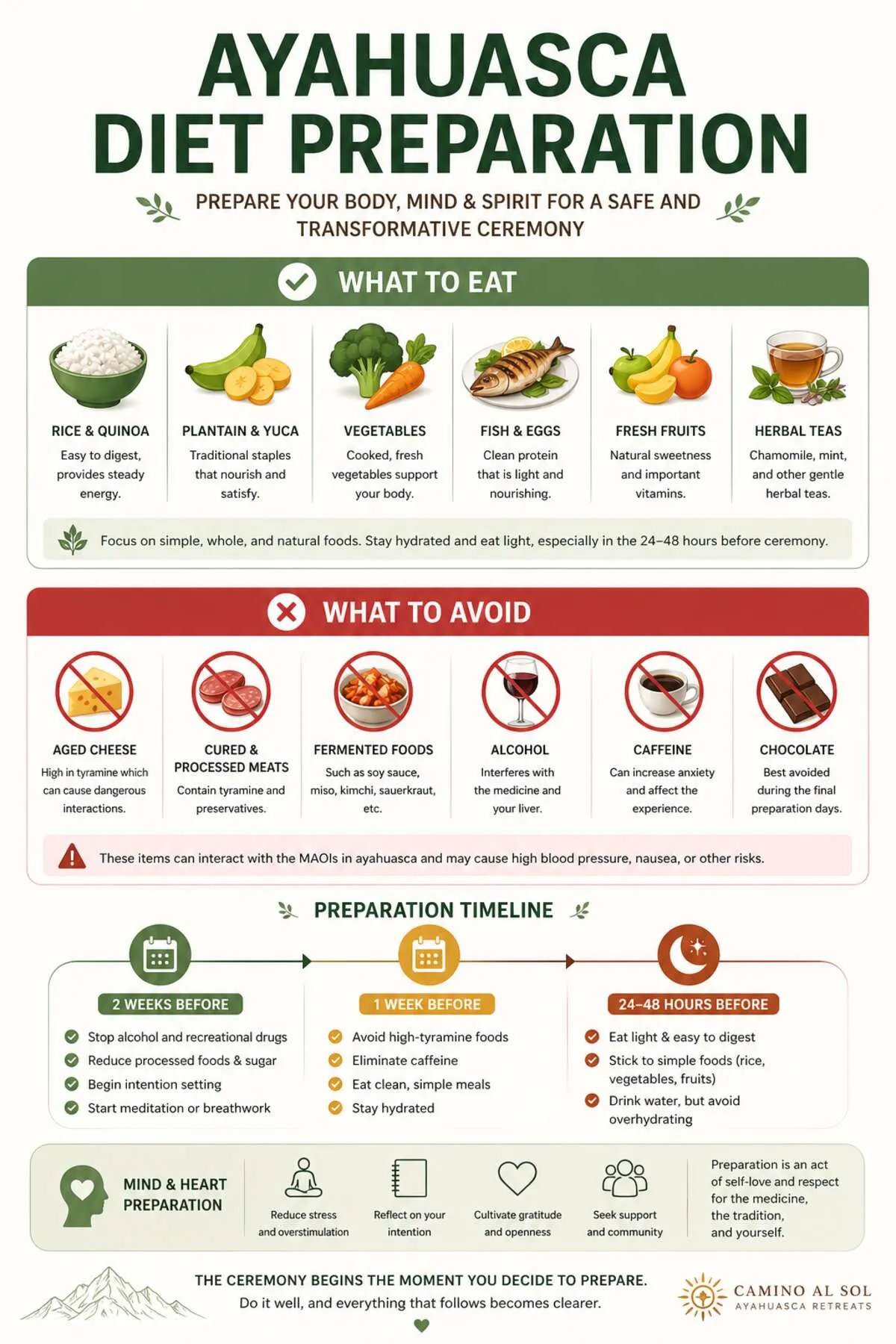
A simple preparation diet can support clarity, but it does not replace screening or medical review.
Rest is part of preparation
Sleep matters more than people think.
Many guests arrive after long travel, poor sleep, work stress, family stress, and too much stimulation. Then they expect the ceremony to hold everything.
Your nervous system comes with you.
In the week before retreat, reduce unnecessary noise. Sleep as well as you can. Avoid stacking major life decisions right before ceremony. Give yourself space after travel instead of arriving at the last minute with your body still in airport mode.
If you are flying into Medellín, consider arriving early enough to rest before the retreat begins. Camino al Sol is located in the mountains of Antioquia, accessible from Medellín and the airport, but your body still needs time to land.
Preparation is not only what you remove.
It is also what you make space for.
Set an intention, then loosen your grip
An intention can help.
But it should not become a demand.
You can come with a question, a prayer, or a simple direction. You might want clarity around grief, addiction patterns, family pain, fear, purpose, or a repeating emotional pattern. That is fine.
Just do not turn the intention into a contract.
Ayahuasca does not always show you what you asked for. Sometimes it shows you what is underneath the thing you asked for. Sometimes it is physical. Sometimes emotional. Sometimes quiet. Sometimes difficult. Sometimes surprisingly simple.
A useful intention is honest and flexible.
Examples:
- Help me see what I am ready to face
- Show me what I keep avoiding
- Help me listen without controlling
- Let me meet this process with humility
- Help me understand what needs to change after this retreat
The best intention does not try to manage the medicine.
It prepares you to participate.
Prepare emotionally, not dramatically
You do not need to arrive fearless.
Fear before ceremony is common. So is doubt. So is excitement. So is the quiet thought: what am I doing?
That does not mean you are unprepared.
Emotional preparation is not about eliminating fear. It is about becoming stable enough to sit with what may arise without running from it, fighting it, or making it mean too much too quickly.
Before retreat, spend time with simple questions:
- Why am I really coming?
- What am I hoping ayahuasca will do for me?
- Am I expecting the medicine to fix something I do not want to face in daily life?
- What support will I have after the retreat?
- What changes am I actually willing to make?
Write the answers down. Not for anyone else. For yourself.
The ceremony may open something.
Integration is where you decide what to do with it.
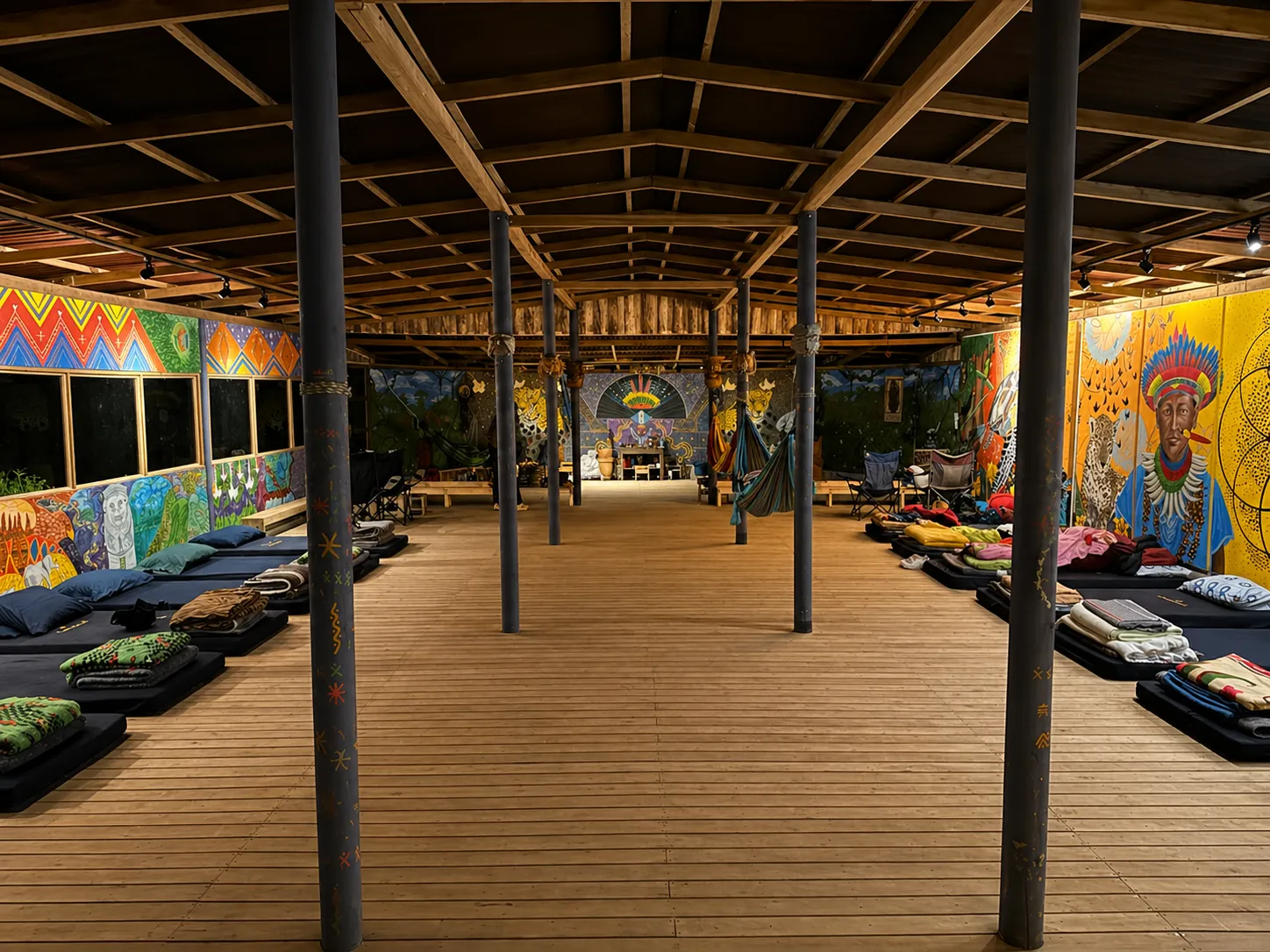
The ceremony space is prepared carefully, but the deeper preparation happens in the participant before arriving.
What to pack for an ayahuasca retreat
Pack simply.
You do not need much. You need comfort, practicality, and respect for the setting.
Bring:
- Comfortable loose clothing
- Warm layers for the night
- Rain jacket or poncho
- Comfortable shoes or sandals
- Personal toiletries
- Any approved medications in original packaging
- Journal and pen
- Water bottle
- Flashlight or headlamp
- Simple clothes you do not mind getting dirty
- Passport or ID
- Travel insurance details
- Phone charger and power bank
- Any retreat documents or confirmation details
For ceremony, dark or neutral comfortable clothing is usually best. Avoid strong perfumes, heavy jewelry, and anything that makes movement difficult.
The point is not to look ceremonial.
The point is to be comfortable, grounded, and respectful.
What not to bring into the process
Some things make preparation harder.
Do not bring a packed work schedule. Do not plan calls between ceremonies. Do not come with the expectation that you can stay half in the retreat and half in your normal digital life.
Also avoid bringing:
- Recreational substances
- Alcohol
- Strong perfumes or scented oils
- A rigid expectation of what should happen
- A need to compare your process with others
- The idea that one ceremony must solve your life
Ayahuasca is not a performance.
You do not need to have visions to have a meaningful ceremony. You do not need to purge to have a real experience. You do not need to understand everything while it is happening.
Some things only make sense afterward.
Prepare for the place, not just the medicine
A retreat is not only a cup of medicine.
It is a place. A group. A tradition. A rhythm. A set of people holding the container.
If you are coming to Colombia, understand that yagé is not just an imported wellness trend. It belongs to living traditions, families, elders, and territories. The word yagé carries a Colombian context that is not identical to every ayahuasca tradition elsewhere.
At Camino al Sol, ceremonies are held in a natural mountain setting near Medellín with experienced taitas, small groups, preparation support, and integration guidance. If you are comparing locations, our ayahuasca retreat in Colombia page explains more about how the setting and tradition shape the experience.
Respect begins before arrival.
Learn where you are going. Learn who is holding the ceremony. Learn what safety process is used. Learn what happens if someone struggles. Learn what support exists after ceremony.
The medicine matters.
The container matters just as much.
Know what ceremony may involve
Every ceremony is different.
Still, it helps to have a realistic picture.
An ayahuasca or yagé ceremony may involve silence, music, prayer, tobacco, purging, emotional release, physical discomfort, visions, memories, fear, grief, laughter, stillness, confusion, clarity, or nothing obvious for long stretches of time.
Nausea and vomiting can happen. Diarrhea can happen. Crying can happen. Strong emotions can happen. So can quietness.
None of these alone prove that the ceremony is working or not working.
The deeper question is whether the process is being held safely, traditionally, and with enough support for what arises.
If you are nervous, do not pretend otherwise. Tell the team. Ask practical questions before ceremony begins. Know where the bathroom is. Know who to call if you need help. Understand the basic rhythm of the night.
Simple orientation helps the body relax.
Integration starts before the first ceremony
Integration is often treated as something that happens after retreat.
That is too late.
Integration begins when you ask: how will I live differently if the ceremony shows me something true?
Before you arrive, create space after the retreat. Do not schedule intense work, major conflict, heavy travel, or big decisions immediately after if you can avoid it. Give yourself time to sleep, write, walk, eat simply, and let the experience settle.
Good integration may include:
- Journaling
- Therapy or coaching
- Time in nature
- Gentle bodywork
- Honest conversations
- Reduced digital stimulation
- Clear changes in habits
- Continued contact with trusted support
The ceremony may open the door.
Walking through it happens later.
Read more about this in our guide to ayahuasca integration.
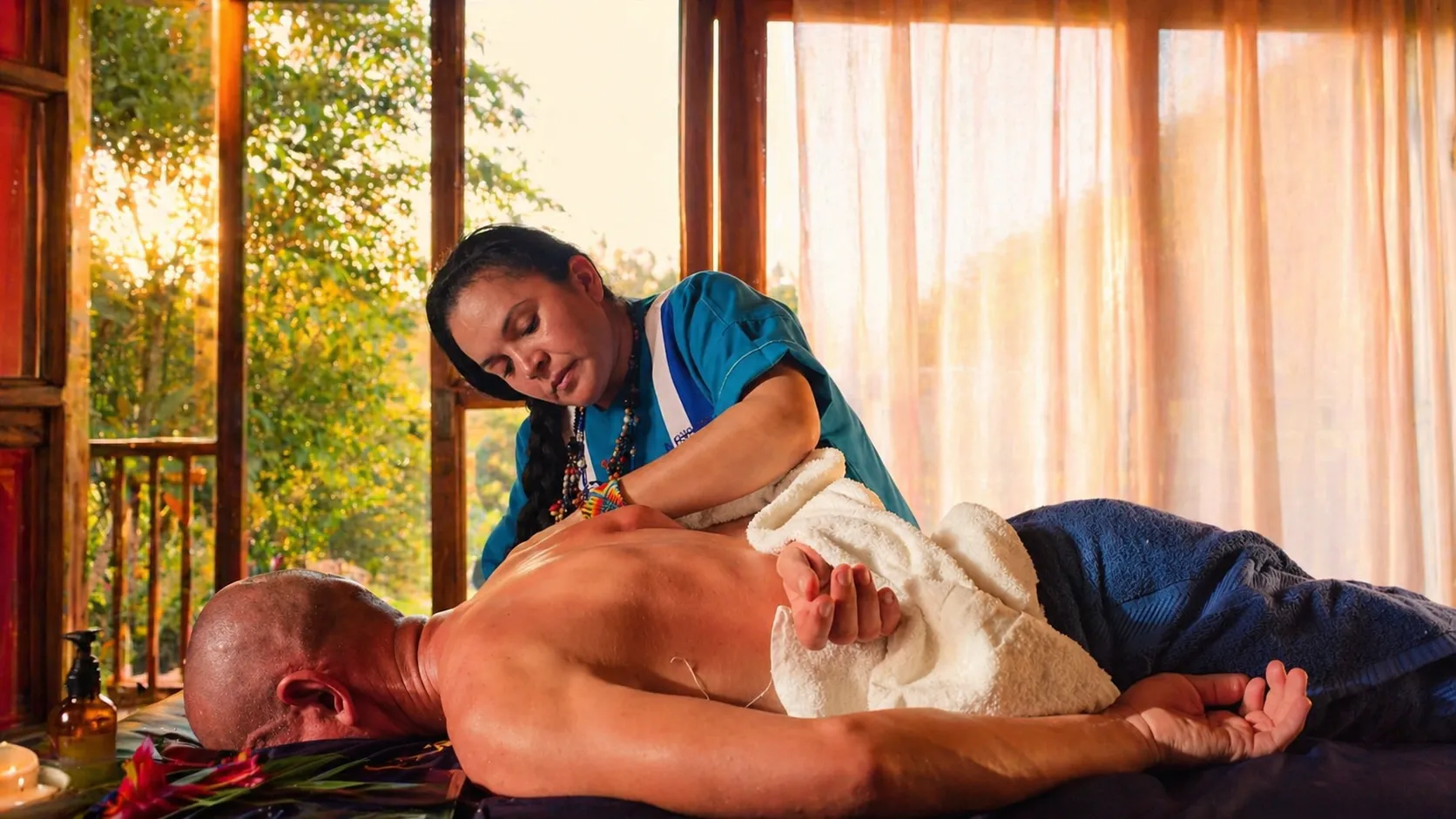
Integration is the work of bringing insight back into the body, relationships, and daily life.
A simple preparation timeline
Two to four weeks before
Complete screening. Disclose medications and health history. Speak with a qualified medical professional if medication changes are being discussed. Reduce recreational substances. Begin simplifying your schedule where possible.
One week before
Follow the retreat's food guidance more closely. Reduce alcohol, overstimulation, and unnecessary stress. Sleep as well as possible. Begin journaling around your intention.
Two to three days before
Pack calmly. Confirm travel details. Avoid heavy meals, emotional drama, and last-minute overwork. Give yourself more space than you think you need.
Day of ceremony
Follow the retreat's specific meal and fasting instructions. Hydrate without overdoing it. Ask practical questions. Keep your intention simple. Let the ceremony be what it is.
After ceremony
Rest. Eat gently. Write down what feels important. Avoid rushing to explain the experience. Let integration unfold slowly and practically.
The deeper preparation is humility
Ayahuasca is not something you master.
You prepare, and then you listen.
That listening starts before the ceremony. It starts with honest screening, clear disclosure, simple food, enough rest, respect for the tradition, and the willingness to meet yourself without pretending.
If you are considering a retreat near Medellín, you can learn more about our ayahuasca retreats at Camino al Sol, review our safety approach, or begin with the application process.
Do not rush the decision.
Come prepared, or wait until you can.
