
Choosing an ayahuasca retreat is not like choosing a hotel.
You are not only choosing a place to sleep. You are choosing who will hold ceremony, who will screen you, who will respond if something becomes difficult, and what kind of relationship the retreat has with the medicine.
In Colombia, we often use the word Yagé. Internationally, most people search for ayahuasca. The words may point toward the same family of medicine, but the way it is held can be very different from place to place.
A good retreat should not rush you.
It should help you slow down and ask better questions.
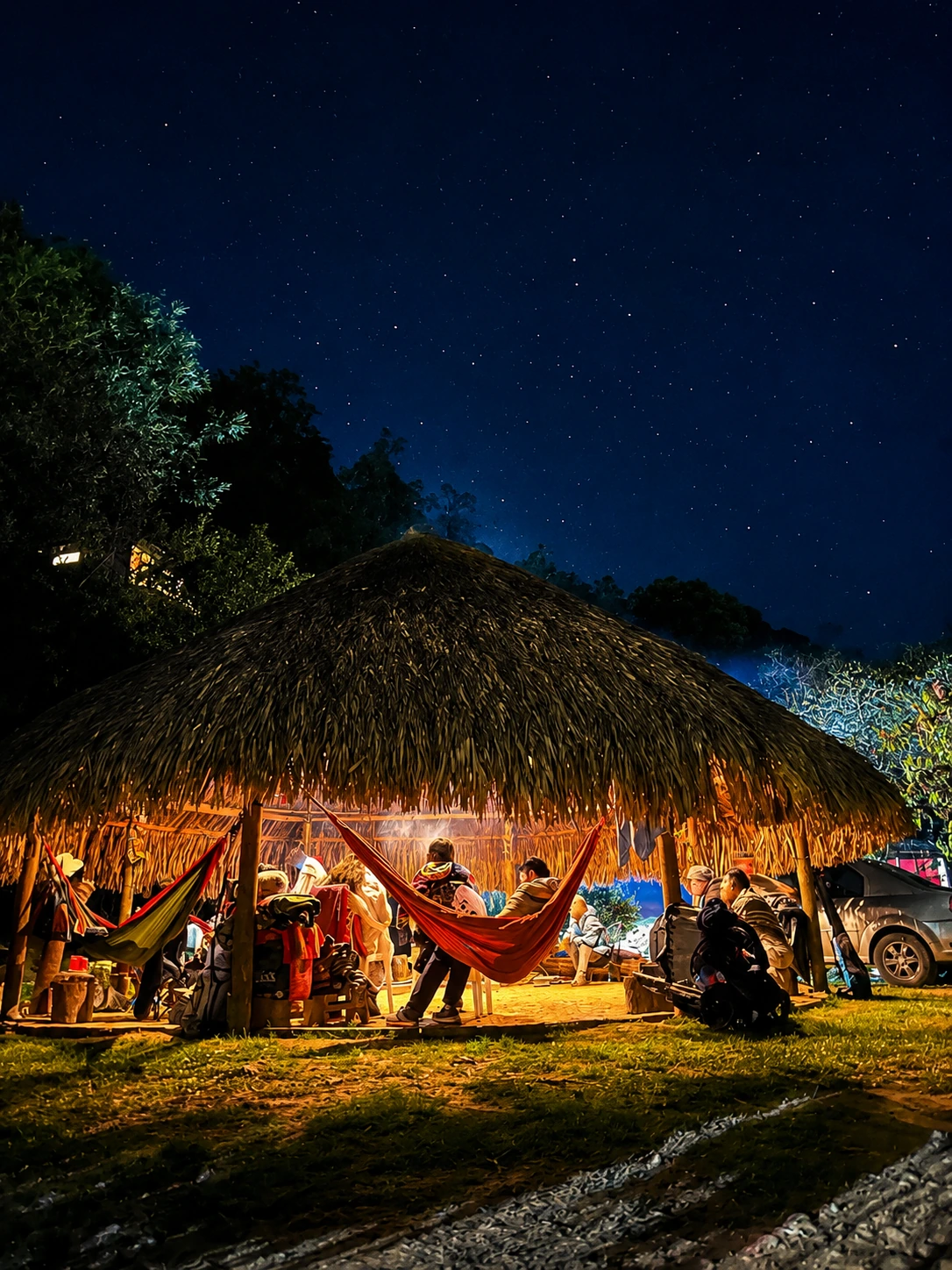
Start with safety, not beauty
Beautiful photos are easy.
Safety is harder.
Before you look at the ceremony space, the meals, the views, or the testimonials, look at how the retreat handles screening. A responsible ayahuasca retreat should ask about your medical history, mental health history, current medications, past diagnoses, substance use, and recent life circumstances.
This is not bureaucracy. It is care.
Ayahuasca is not appropriate for everyone. It may carry additional risk for people with certain heart conditions, a personal or family history of psychosis or bipolar disorder, pregnancy, serious instability, or medication interactions. It also does not replace medical or psychiatric care. You can read more in our guide to ayahuasca safety.
This page is educational and does not replace medical advice. Do not stop or change medication without speaking with a qualified medical professional.
If you are in crisis, experiencing suicidal thoughts, psychosis, chest pain, severe withdrawal, or another urgent medical issue, seek emergency care immediately.
Ask who is holding the ceremony
Taita Diego Marmolejo says:
“The important thing is where you are going to drink, and who you are going to drink with.”
This is one of the simplest and most important truths.
A good retreat should be clear about who leads ceremony. Not vague. Not hidden. Not dressed up with spiritual titles that cannot be understood.
Ask:
- Who serves the medicine?
- What tradition are they connected to?
- How many years have they trained?
- Who taught them?
- Who supports the ceremony team?
- What happens if a participant becomes overwhelmed?
- Is there a clear role for facilitators, translators, and support staff?
In the Colombian Yagé tradition, the person holding ceremony carries deep responsibility. This is not performance. It is not entertainment. It is not a weekend certification.
At Camino al Sol, ceremonies are led by Taita Diego Marmolejo, a traditional doctor from Putumayo with roots in the indigenous Amazonian lineage of the Colombian Yagé tradition.
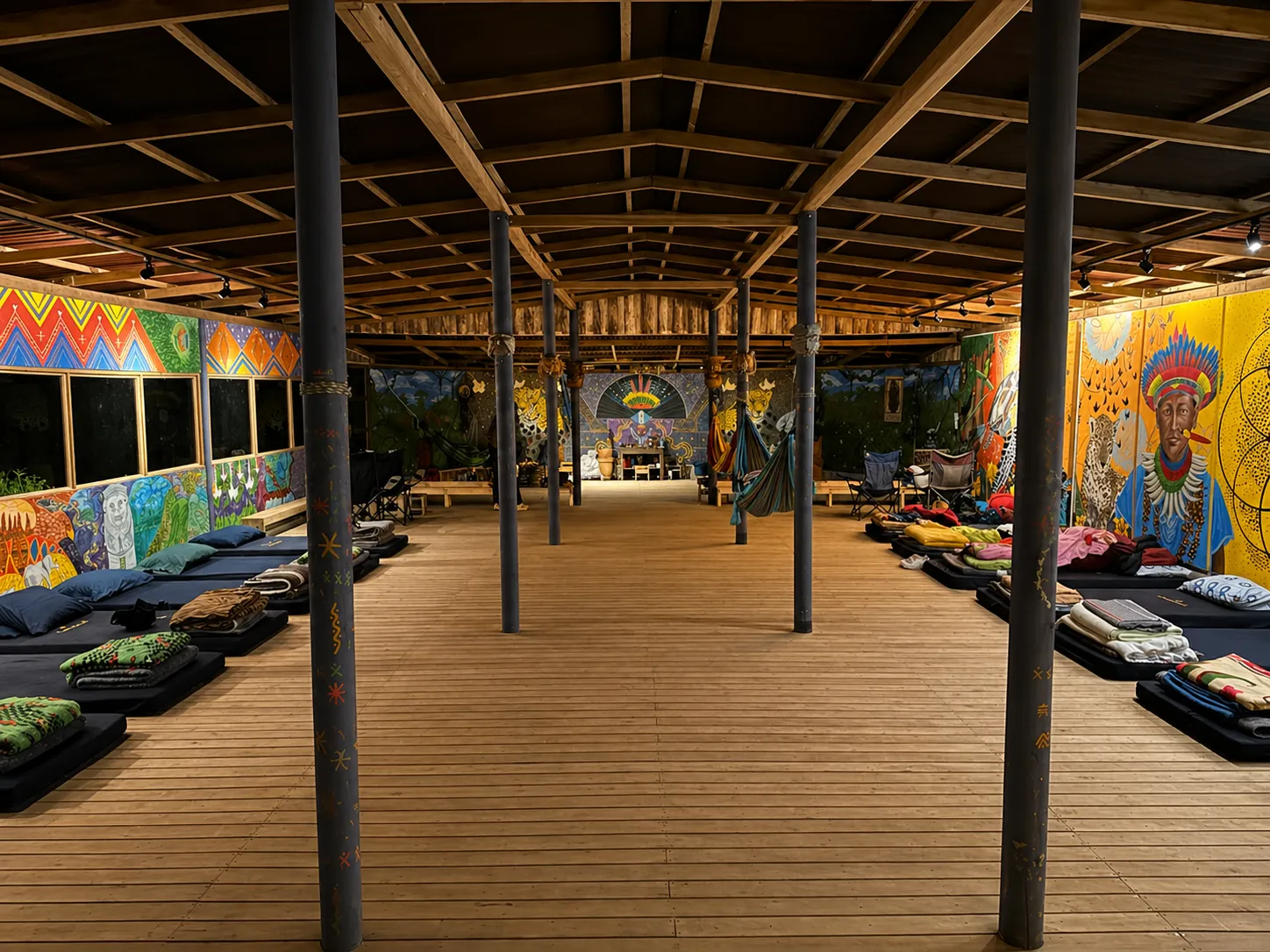
Look for real screening before acceptance
A serious retreat does not accept everyone.
That may sound strange if you are used to instant booking. But with this medicine, “yes” should not be automatic.
Good screening usually includes:
- A medical intake form
- A psychological review
- Questions about medications and supplements
- Questions about heart health, blood pressure, seizures, and psychiatric history
- A clear process for deciding whether the retreat is appropriate
- Permission to say no when safety requires it
Be careful with any retreat that lets you pay first and asks health questions later.
Be even more careful with any retreat that tells you to stop medication without involving a qualified medical professional. That is a red flag.
At Camino al Sol, every applicant goes through medical and psychological review before being accepted. Our process is application-based, not instant booking. You can begin here: apply for screening.
Notice the promises
The language a retreat uses tells you a lot.
Be careful with phrases like:
- “Guaranteed healing”
- “Cure depression”
- “Fix trauma”
- “Life-changing in one weekend”
- “Completely safe”
- “No bad experiences”
- “Ego death guaranteed”
- “The strongest medicine”
These phrases may sound attractive when you are suffering. But they are not responsible.
A good retreat will speak with humility. It may say the medicine can open something, reveal something, or support a process. But it will not promise to heal your life for you.
The medicine does not do your life for you.
What happens after matters.
Check the group size
Group size changes everything.
In a very large retreat, you may receive less individual attention. You may feel less seen. The facilitators may be stretched thin. The atmosphere may become more like an event than a ceremonial container.
Smaller groups are not automatically better, but they often allow for more care, more attention, and more sensitivity.
Ask:
- How many participants are usually in ceremony?
- How many facilitators or support people are present?
- Is there translation if needed?
- Is the group mixed with many different intentions, or is there a clear retreat container?
- Are people screened before joining the group?
At Camino al Sol, we work with small, carefully screened groups in the mountains of Antioquia, near Medellín.
Ask about preparation
A good retreat should begin before you arrive.
Preparation is not only about food. It is about attention. It is about arriving with more honesty and less noise.
A responsible retreat should give clear guidance around:
- Food and diet before ceremony
- Alcohol and recreational substances
- Medications and supplements
- Sleep and travel timing
- Emotional preparation
- What to bring
- What not to bring
- How to relate to fear, expectations, and control
Preparation should be practical, not superstitious. It should help you arrive steady.
For more detail, read our guide to ayahuasca diet and preparation.
Ask about integration
Many people focus only on the ceremony.
That is a mistake.
The ceremony may show you something. Integration is where you decide how to live with it.
A good retreat should help you understand what happens after: how to rest, how to reflect, how to avoid rushing back into old habits, and how to bring insight into ordinary life.
Integration may include conversation, journaling, body awareness, community support, therapy, prayer, nature, or practical changes in daily life.
It should not be treated as an optional extra.
At Camino al Sol, integration is part of the work. You can read more here: ayahuasca integration.
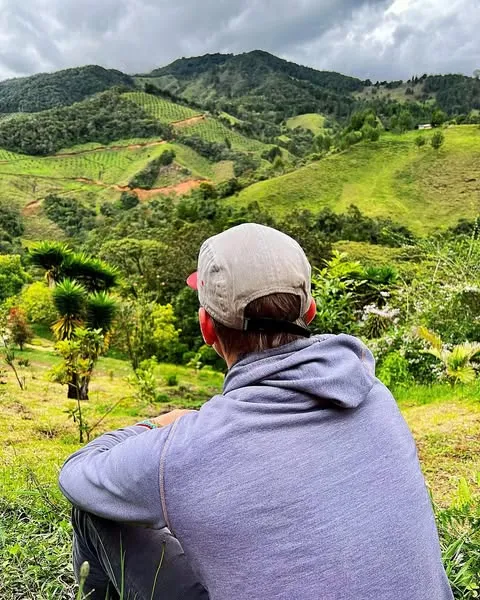
Look at the setting honestly
The setting matters.
Not because nature magically solves everything, but because your body listens to where it is. A noisy, rushed, crowded, or chaotic environment can make an already intense process harder to meet.
A good setting should feel:
- Clean
- Grounded
- Calm
- Safe
- Close to nature
- Logistically clear
- Supported by people who are present
You do not need luxury. You need care.
Camino al Sol is held at Yaogará, a nature reserve and botanical garden in the Andean mountains of Antioquia, accessible from Medellín and the airport. The setting is simple, natural, and held with intention.
Read reviews, but do not worship them
Reviews can help.
They can show patterns. They can reveal whether people felt safe, supported, respected, and prepared. They can also show whether the team communicates clearly and whether the retreat matches what it promises.
But reviews are not enough.
A retreat can have beautiful reviews and still be wrong for you. Another retreat can be sincere but not appropriate for your medical or psychological situation.
Use reviews as one signal. Not the whole decision.
Ask how the retreat relates to tradition
Ayahuasca has roots in indigenous Amazonian traditions. Yagé, in Colombia, carries its own lineages, language, practices, and relationships.
A good retreat should not treat the medicine as a trend.
Ask:
- Is the ceremony connected to a real tradition?
- Are indigenous or traditional knowledge holders respected?
- Is the language around the medicine humble?
- Are local people involved in meaningful ways?
- Does the retreat avoid turning ceremony into a performance?
- Does it acknowledge that this medicine carries responsibility?
Tradition alone is not enough. Safety still matters. Screening still matters. Integration still matters.
But without respect, something important is lost.
Understand the cost clearly
Cheap is not always safe.
Expensive is not always better.
The right question is not only “How much does it cost?” The better question is: “What is included, and what kind of care is behind the price?”
Ask whether the retreat includes:
- Screening
- Preparation guidance
- Accommodation
- Meals
- Ceremony
- Integration support
- Transport coordination
- Translation if needed
- Clear emergency protocols
- Post-retreat communication
Also ask about hidden costs. Some retreats look affordable until you add transport, lodging, meals, translation, extra ceremonies, or integration support.
For a deeper breakdown, see ayahuasca retreat cost.
Red flags when choosing an ayahuasca retreat
Walk away if a retreat:
- Accepts everyone without screening
- Encourages you to stop medication without medical guidance
- Promises guaranteed healing
- Uses pressure tactics to make you book quickly
- Cannot clearly explain who leads ceremony
- Hides the identity or background of the ceremony holder
- Focuses mostly on intensity, visions, or “ego death”
- Treats ayahuasca like a tourist attraction
- Has no preparation or integration process
- Dismisses your concerns instead of answering them
- Has unclear pricing or hidden fees
- Allows alcohol, recreational drug use, or chaotic group behavior around ceremony
Your hesitation may be intelligence.
Listen to it.
Green flags of a good retreat
A good ayahuasca retreat usually has:
- Clear medical and psychological screening
- Experienced ceremony holders
- Small or well-supported groups
- Honest communication
- Preparation before arrival
- Integration after ceremony
- Respect for tradition
- Clear logistics
- Transparent pricing
- A calm, grounded environment
- Willingness to say “not now” when safety requires it
This is not about finding the most impressive retreat.
It is about finding the most responsible one.
A simple checklist before you choose
Before you apply, ask yourself:
- Do I know who will hold ceremony?
- Do I understand the retreat’s safety process?
- Have I been asked about medications and mental health history?
- Does the retreat make realistic claims?
- Is there preparation before arrival?
- Is there integration after ceremony?
- Does the group size feel supportive?
- Is the setting calm and safe?
- Are the costs clear?
- Do I feel pressured, or do I feel respected?
Pressure is not a good sign.
A good retreat gives you space to choose clearly.
Why Camino al Sol may be a fit
Camino al Sol is for people who want a traditional Colombian Yagé retreat held with care, screening, and responsibility.
We are based near Medellín, Colombia, in the mountains of Antioquia. Our ceremonies are led by Taita Diego Marmolejo. We work with small groups, medical and psychological screening before acceptance, preparation guidance, and integration support.
We are not a marketplace, festival, or psychedelic tourism company.
This path is not for everyone. That is why screening comes first.
If you are still exploring, you can learn more about our ayahuasca retreat near Medellín or our broader guide to an ayahuasca retreat in Colombia.
If you feel called and want to know whether this work is appropriate for you, you can apply for screening.
The right retreat will not rush you.
It will help you arrive with respect.
