
Ayahuasca and Bufo are often discussed together because both can produce powerful altered states. But they are not the same medicine, not the same kind of ceremony, and not the same kind of preparation.
Ayahuasca, called yagé in Colombia, is usually a plant brew taken in a ceremonial context over several hours. Bufo usually refers to 5-MeO-DMT, a very fast-acting and intense psychedelic compound often associated with the Sonoran Desert toad, though synthetic 5-MeO-DMT also exists.
The simple version:
Ayahuasca is usually slower, longer, more relational, and often works through visions, emotions, memory, purging, music, and ceremony.
Bufo is usually much shorter, faster, less visual for many people, and often described as a sudden dissolution of ordinary identity or self-reference.
That does not make one “better.” It makes them different. The real question is not which medicine is stronger. The better question is:
Which setting, preparation, safety process, and integration support is appropriate for you?
This page is educational and does not replace medical advice. Do not stop or change medication without speaking with a qualified medical professional.
If you are in crisis, experiencing suicidal thoughts, psychosis, chest pain, severe withdrawal, or another urgent medical issue, seek emergency care immediately.
Ayahuasca vs Bufo at a Glance
| Question | Ayahuasca / Yagé | Bufo / 5-MeO-DMT |
|---|---|---|
| Main form | Plant brew | Vaporized or inhaled substance |
| Typical duration | Several hours | Often minutes, with aftereffects possible |
| Main active compounds | DMT plus harmala alkaloids | 5-MeO-DMT |
| Common setting | Night ceremony, music, guidance, group container | Short individual or small-group session |
| Experience style | Visions, emotions, memories, purging, symbolic material, spiritual reflection | Rapid ego dissolution, white-out, non-dual states, loss of ordinary self-reference |
| Preparation need | Diet, rest, intention, medication review, psychological readiness | Strong screening, nervous system stability, emergency readiness, integration support |
| Integration need | High | High |
| Main safety issue | Medication interactions, psychiatric risk, cardiovascular concerns, poor facilitation | Intensity, loss of body control, panic, reactivation, unsafe handling, ecological concerns if toad-sourced |
| Best framed as | A traditional ceremonial process | A short but very intense psychedelic event |
| Camino al Sol context | Traditional Colombian yagé retreat | Not offered |
What Is Ayahuasca or Yagé?
Ayahuasca is the international name most people know. In Colombia, the traditional word is often yagé.
Yagé is a ceremonial plant brew connected to Amazonian and Colombian traditions. It usually combines a vine containing harmala alkaloids with a DMT-containing plant. The harmala alkaloids act as reversible MAO-A inhibitors, allowing DMT to become orally active.
That chemistry matters because it also explains why screening is necessary. Ayahuasca can interact with some medications and substances, especially serotonergic medications, stimulants, certain recreational drugs, and other compounds that affect the nervous system.
At Camino al Sol, yagé is not approached as a recreational experience or a guaranteed healing tool. It is approached as a traditional ceremonial process that requires preparation, screening, support, and integration.
People often come to yagé because they want to reflect, reset, reconnect with themselves, face difficult patterns, or make a serious life decision. That can be meaningful. It can also be uncomfortable, confusing, physically demanding, or emotionally intense.
This is why the container matters.
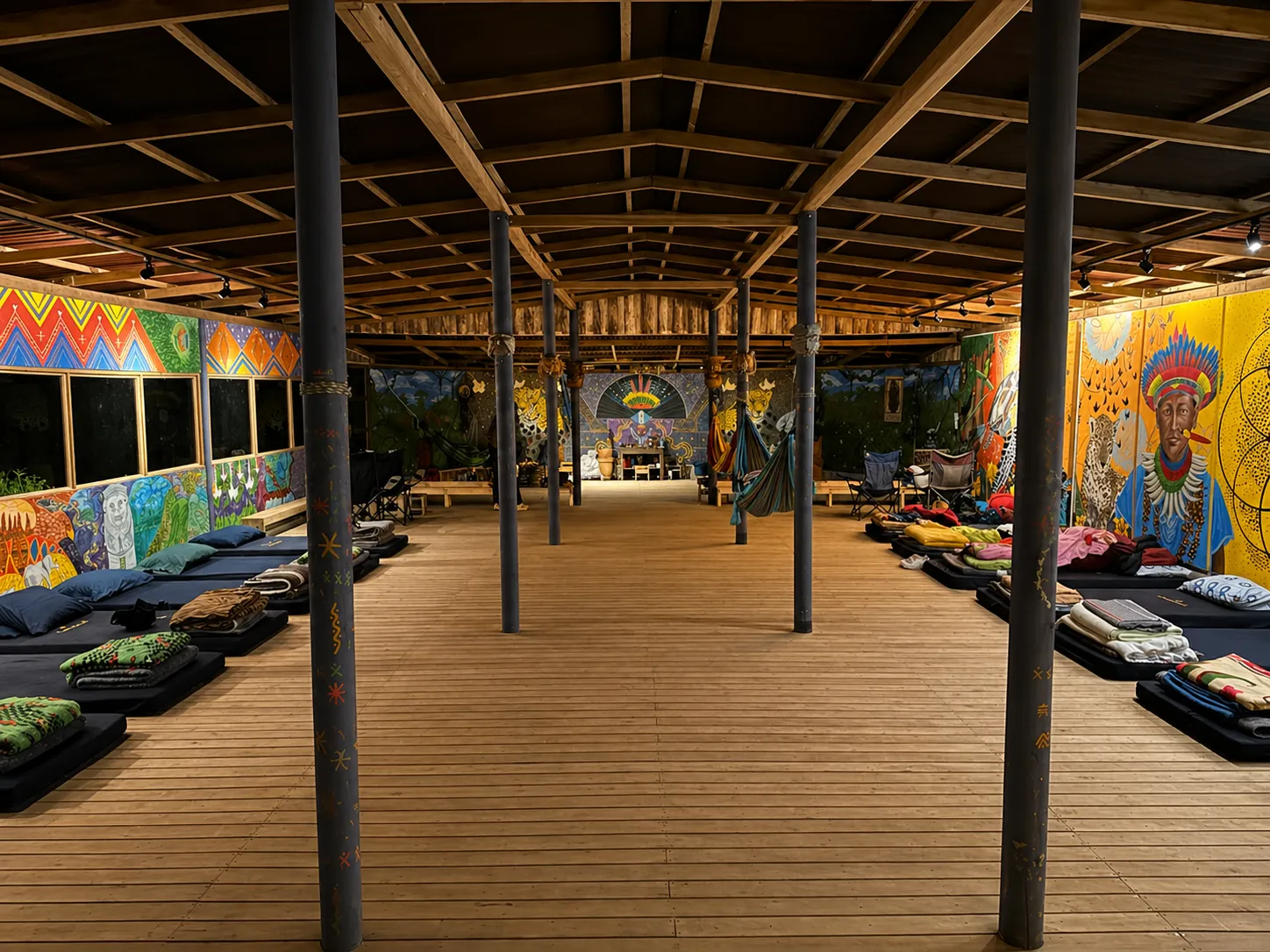
A traditional yagé retreat is not only about drinking the medicine. It includes preparation, the people holding the space, the music, the land, the rhythm of the retreat, the conversations before and after ceremony, and the integration support that follows.
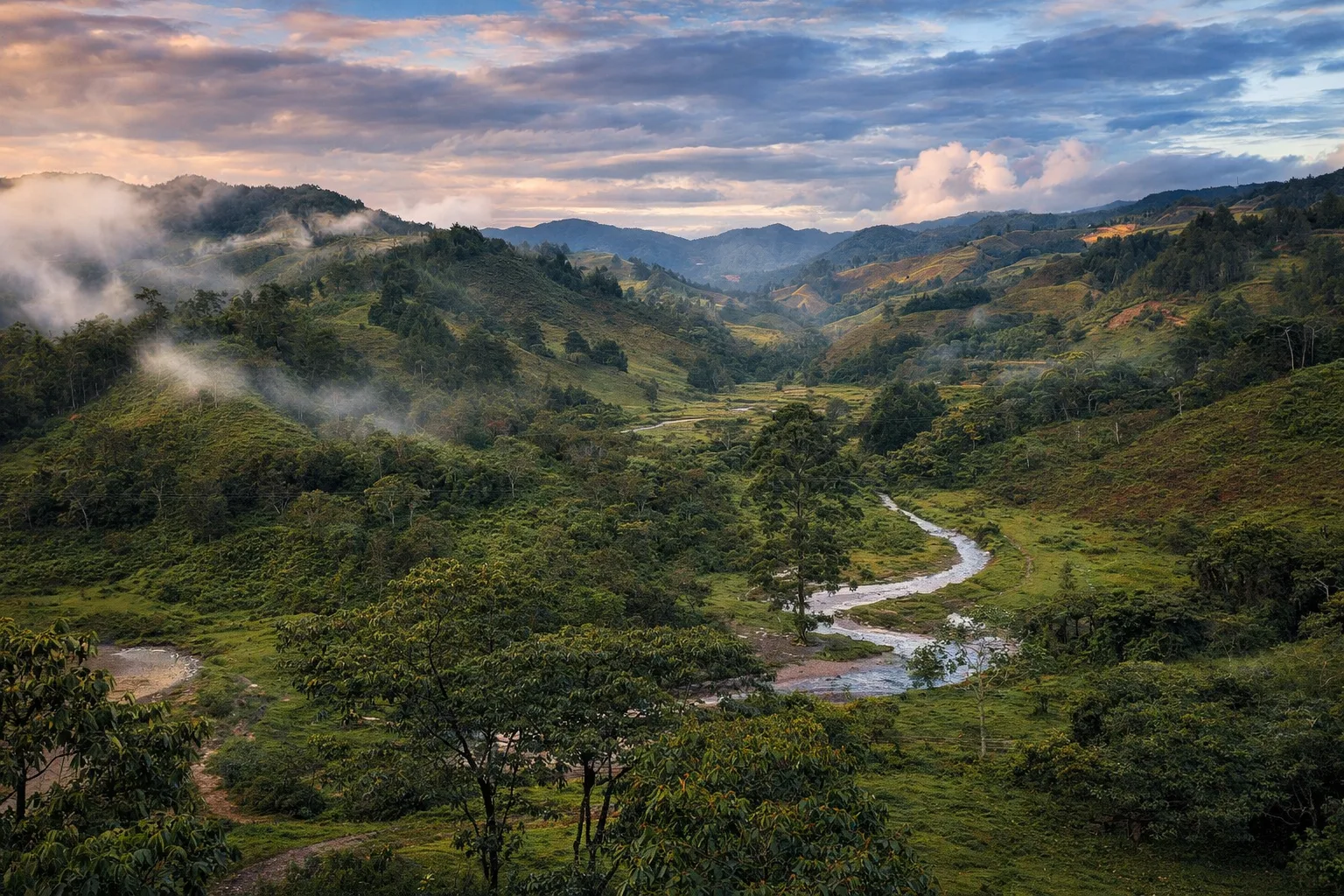
At Camino al Sol, our work is centered on traditional Colombian yagé retreats near Medellín, with small groups, preparation guidance, screening before acceptance, and integration support.
What Is Bufo?
Bufo usually refers to 5-MeO-DMT, a powerful psychedelic compound associated with the secretion of the Sonoran Desert toad, also known as Incilius alvarius. It can also be produced synthetically.
Bufo is not the same as ayahuasca. It is not simply “smoked ayahuasca,” and it is not just a faster version of yagé.
The experience is often described as extremely rapid and intense. Some people report a sense of merging, disappearing, dying, being reborn, or entering a state beyond ordinary thought. Others report fear, panic, confusion, memory gaps, or difficulty making sense of what happened.
Many Bufo experiences are short in clock time, but that does not mean they are light. A short experience can still be overwhelming.
This is one of the biggest misunderstandings: short does not mean easy.
Some people are drawn to Bufo because it sounds direct, clean, or less demanding than a multi-day ayahuasca retreat. That can be misleading. The speed and intensity of Bufo may leave less time to orient, process, or ask for help while the experience is unfolding.
Bufo also raises ethical and ecological questions when sourced from toads. The rise in demand has created concern around harvesting pressure on wild toad populations. Synthetic 5-MeO-DMT avoids some of that ecological pressure, but the psychological and physiological safety questions remain.
The Biggest Difference: Process vs Peak
The most useful distinction is this:
Ayahuasca is usually a process. Bufo is often a peak.
That is not a moral judgment. It is a practical distinction.
Yagé ceremonies often unfold over hours. There may be waves of nausea, visions, memories, emotional release, silence, music, fear, insight, resistance, surrender, and rest. The ceremony has a rhythm. The person has time to move through different layers.
Bufo often comes on very quickly. The person may have little ordinary sense of time, body, or self. For some, this feels expansive. For others, it can feel like being thrown into something too large too fast.
A person looking for gradual reflection may be better suited to a structured yagé retreat.
A person looking for the most intense possible experience may still need to ask whether intensity is actually what they need.
Many people confuse intensity with depth. They are not the same.
A strong experience without preparation and integration can become another overwhelming event. A slower experience held in a clear container may be more useful than a dramatic peak that is not digested afterward.
Safety: Neither Medicine Is Automatically Safe
Ayahuasca and Bufo both require caution.
With yagé, the main safety concerns include medication interactions, psychiatric history, cardiovascular issues, high blood pressure, seizure history, pregnancy, certain substance use patterns, and psychological readiness.
With Bufo, concerns include extreme intensity, sudden loss of motor control, panic, aspiration risk if vomiting occurs, reactivations, dissociation, psychological destabilization, and poor facilitator response in emergencies.
Neither should be approached casually.
Screening should include:
- Current medications and supplements
- Psychiatric history
- Personal or family history of psychosis or bipolar disorder
- Cardiovascular health
- Blood pressure concerns
- Seizure history
- Pregnancy or breastfeeding
- Recent substance use
- Trauma history and current stability
- Support system after the experience
- Motivation and expectations
A serious provider should be willing to say no. That is not bad service. That is part of ethical practice.
At Camino al Sol, screening happens before acceptance. We do not believe everyone should drink yagé. We also do not present yagé as a cure, treatment, or guaranteed breakthrough. You can read more on our ayahuasca safety standards.
Can You Do Ayahuasca and Bufo Close Together?
This is a serious question. The safest general answer is: do not stack powerful medicines close together without qualified, conservative guidance.
Combining or compressing psychedelic experiences can increase confusion, emotional overload, physical strain, and integration difficulty. Some retreat environments advertise multiple substances in a short period because it sounds more complete. More is not automatically better.
If someone feels they need ayahuasca, Bufo, San Pedro, kambo, mushrooms, iboga, and other medicines in one trip, that may be a sign to slow down.
The nervous system needs time. The body needs time. The mind needs time. Integration needs time.
A grounded retreat should help a person prepare and integrate, not collect peak experiences.
Which Is Better for Beginners?
For many first-time participants, yagé may offer a more gradual ceremonial structure than Bufo. But that does not mean ayahuasca is “easy” or automatically appropriate.
A beginner should not ask only, “Which one is gentler?”
Better questions are:
- Am I medically and psychologically eligible?
- Is there a real screening process?
- Who is holding the space?
- What happens if I panic, dissociate, vomit, or need support?
- Is there integration after the experience?
- Is the medicine being presented honestly, without miracle claims?
- Is the provider willing to tell me no?
- Do I understand the risks?
- Am I seeking insight, escape, proof, healing, intensity, or belonging?
For a beginner, the quality of the container often matters more than the name of the medicine.
Why Camino al Sol Works With Yagé, Not Bufo
Camino al Sol is focused on traditional Colombian yagé ceremonies in the mountains of Antioquia, near Medellín.
We do not offer Bufo.
That choice is not because we need to dismiss Bufo. It is because our work, lineage, setting, team, and preparation process are built around yagé. We believe in staying clear about what we actually hold.
Our retreat model emphasizes:
- Traditional Colombian yagé ceremony
- Experienced taitas
- Medicine music
- Small groups
- Medical screening before acceptance
- Preparation guidance
- Integration support
- A natural mountain setting near Medellín
- A family and community environment
If you are comparing options in Colombia, start with the full overview of our ayahuasca retreats in Colombia, then review the upcoming Medellín retreat dates.
Integration Matters More Than the Peak
The most important part of a psychedelic experience may not be the strongest moment. It may be what happens afterward.
After ayahuasca or Bufo, people may feel open, raw, inspired, confused, tired, grateful, unsettled, or unusually sensitive. Some insights feel clear in the moment but become harder to apply once daily life returns.
Integration helps turn experience into reflection, choices, boundaries, conversations, routines, and support.
Good integration does not mean forcing a dramatic interpretation. It means asking grounded questions:
- What actually happened?
- What did I feel in my body?
- What insight still feels true after rest?
- What should I not rush to decide?
- What needs support from a therapist, doctor, partner, or community?
- What is one small change I can make now?
- What should I leave alone for a while?
This is especially important after very intense experiences. A person may feel that everything has changed, but the nervous system still needs stability. Big declarations right after ceremony are not always wisdom. Sometimes they are intensity.
For more on this, read our guide to ayahuasca integration.
Ayahuasca vs Bufo: Which One Should You Choose?
Do not choose based on hype.
Choose based on fit.
Ayahuasca/yagé may be a better fit if you are looking for a traditional ceremonial process, have time for preparation and integration, and feel drawn to a multi-hour experience held through music, guidance, and community.
Bufo may appeal to people looking for a very short and intense experience, but it should still require serious screening, skilled facilitation, emergency awareness, and careful integration.
Neither is a shortcut around life. Neither is guaranteed healing. Neither replaces therapy, medical care, psychiatric care, or the slow work of changing how you live.
A safer decision starts with humility:
- Maybe this is not the right time.
- Maybe preparation matters more than the medicine.
- Maybe intensity is not what I need.
- Maybe the provider’s screening process is the clearest sign of integrity.
- Maybe the real work begins after the ceremony.
If you feel called to traditional Colombian yagé, you can view our ayahuasca retreat near Medellín or apply for screening.
Final Thought
Ayahuasca and Bufo can both be powerful. But power is not the same as care.
The better path is not always the strongest experience. It is the one held with the clearest preparation, the most honest screening, the safest container, and the most grounded integration afterward.
