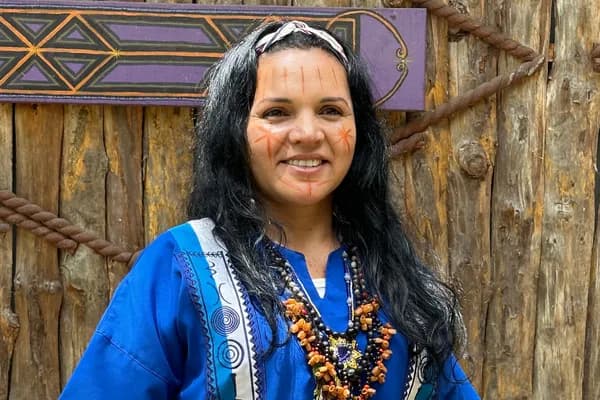
Andrea Díaz
Facilitator & ancestral therapist
Plant baths, ancestral body therapies and personal accompaniment are part of Andrea’s work. She describes her role as observing, being available and accompanying each person.
Camino al Sol · Veterans & first responders
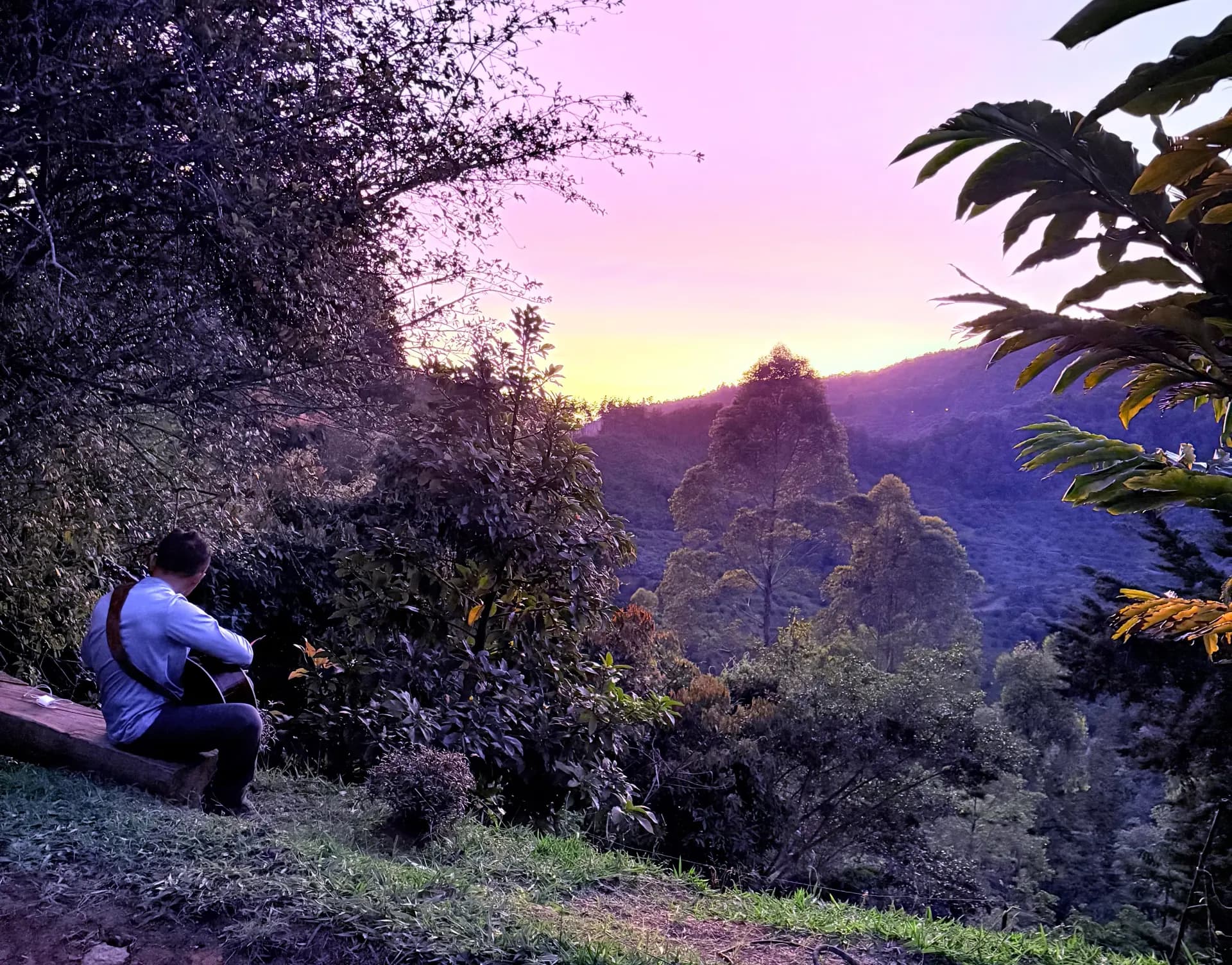
In the mountains near Medellín, Camino al Sol brings together traditional Colombian yagé, the people who hold the ceremonies, and time for quiet at Yaogará.
We’re developing a small-group, seven-day retreat for veterans and first responders. You can start with questions. You don’t need to arrive with all the answers.
Participation requires medical screening. This is a traditional retreat, not PTSD treatment, psychotherapy or a replacement for medical care.
What brings people here
You might be considering what comes after service, looking for perspective, or simply wanting time away from everyday responsibilities. You might want conversation and company, or time to think in a different setting.
Your reasons are your own. A conversation with the team is a chance to ask what this retreat involves and whether it is appropriate for you.
The tradition
Taita Diego Marmolejo grew up beside the Putumayo River, in Piñuña Negro. He describes learning about traditional medicine from his parents; his mother is a sabedora, a keeper of plant knowledge.
At Camino, Diego’s work reaches beyond the ceremony itself. He cares for medicinal plants and the land, and has established a seed bank to keep scarce plants growing.
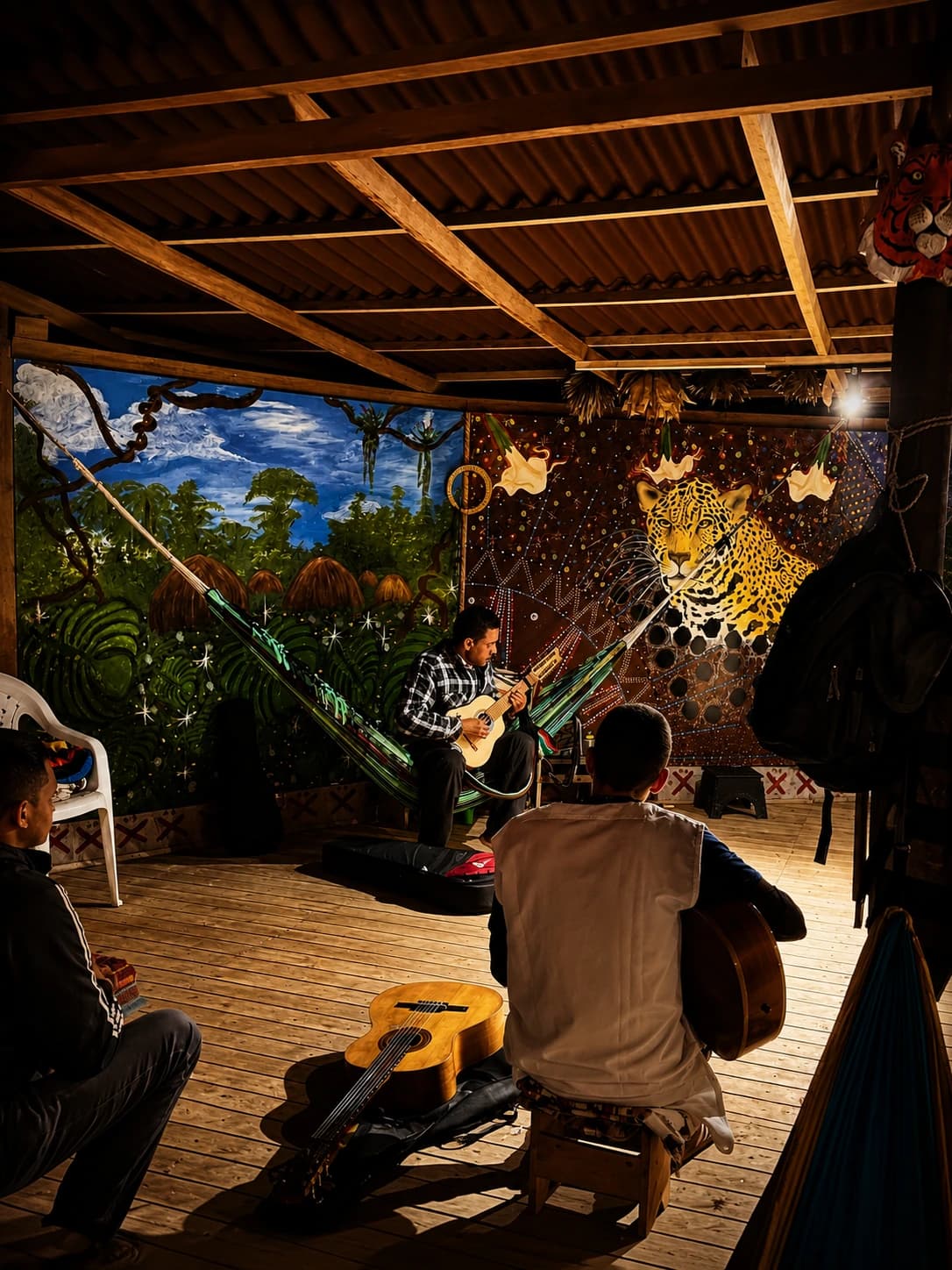
The taitas hold the yagé ceremonies in the Medicine House. Songs, prayer and live instruments are part of the Colombian tradition practiced here. Diego and Carlos Marmolejo share in that ceremonial and musical work.
Read about Colombian yagéThe people
Samuel describes Camino as “the three families working together.” The responsibilities differ: holding ceremony, preparing meals, caring for the land, keeping the place ready and paying attention to visitors.
Alongside Diego, these are some of the people behind Camino. Ask us who will be accompanying your group.
Facilitator & ancestral therapist
Plant baths, ancestral body therapies and personal accompaniment are part of Andrea’s work. She describes her role as observing, being available and accompanying each person.
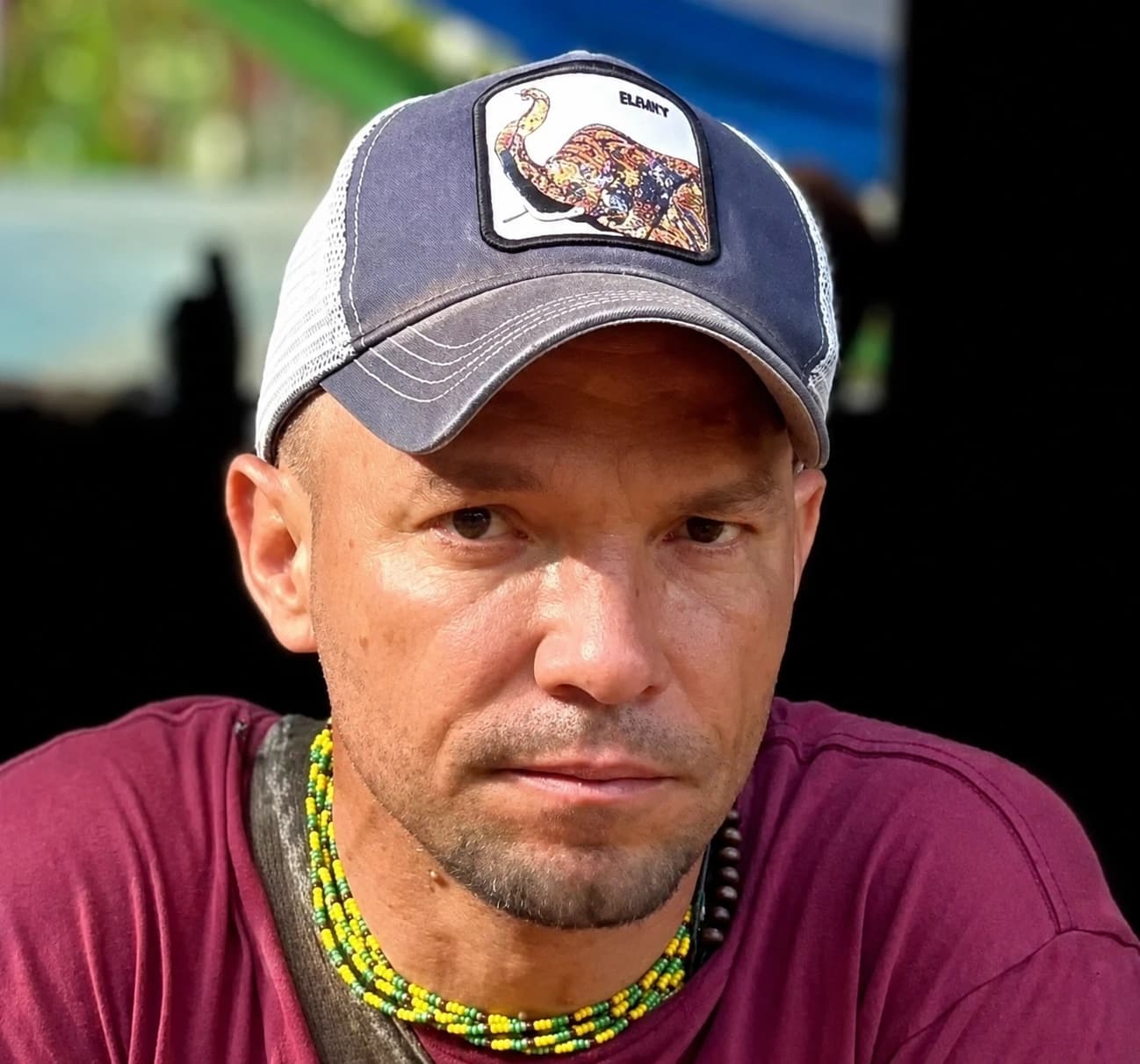
Lead facilitator · Spanish & English
Samuel helps guests understand the retreat, supports preparation and integration, and works with the taitas and the wider team before, during and after ceremony.
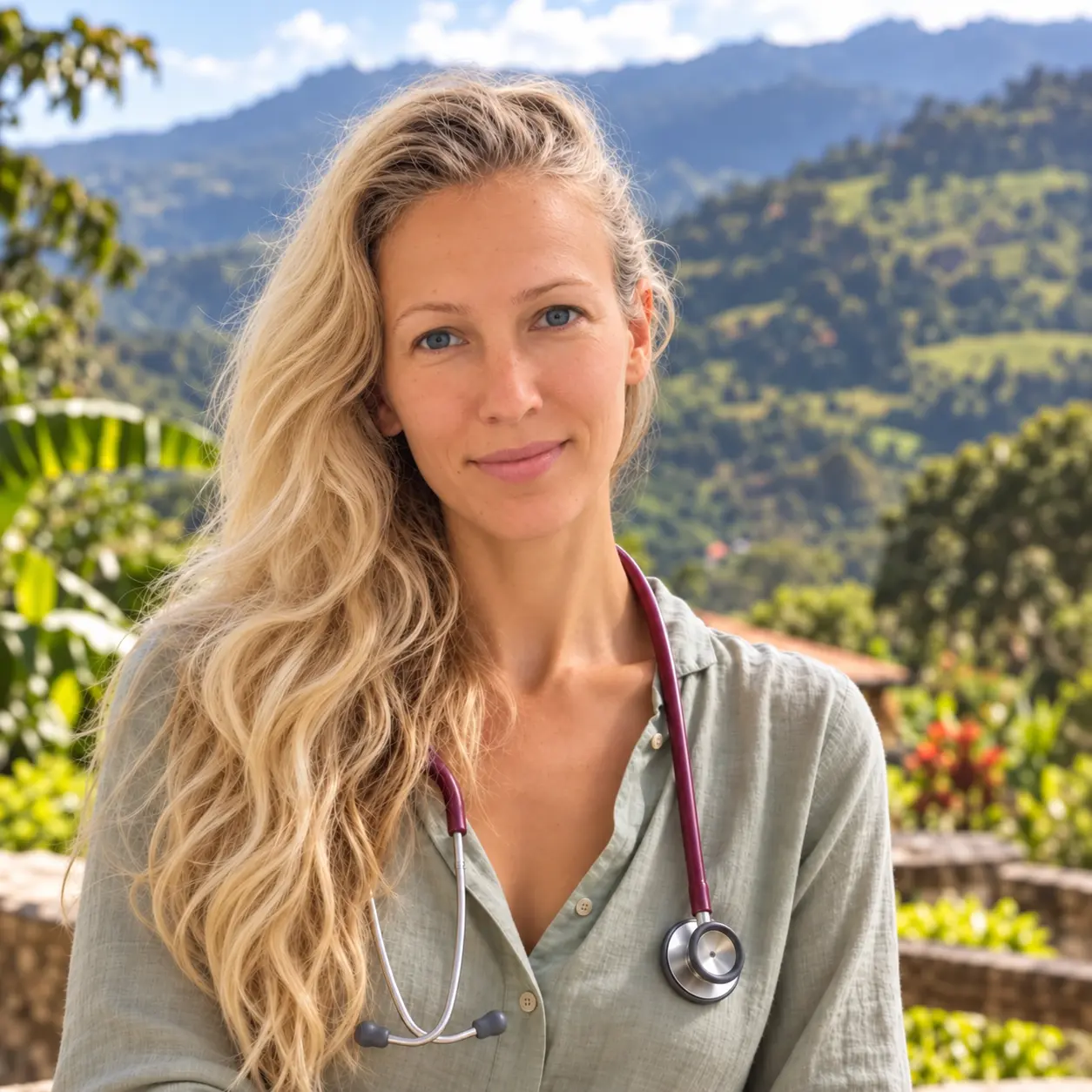
Medical advisor & facilitator
Marta reviews health history, medications and suitability before participation. Her screening role is separate from the taitas’ traditional ceremonial work.
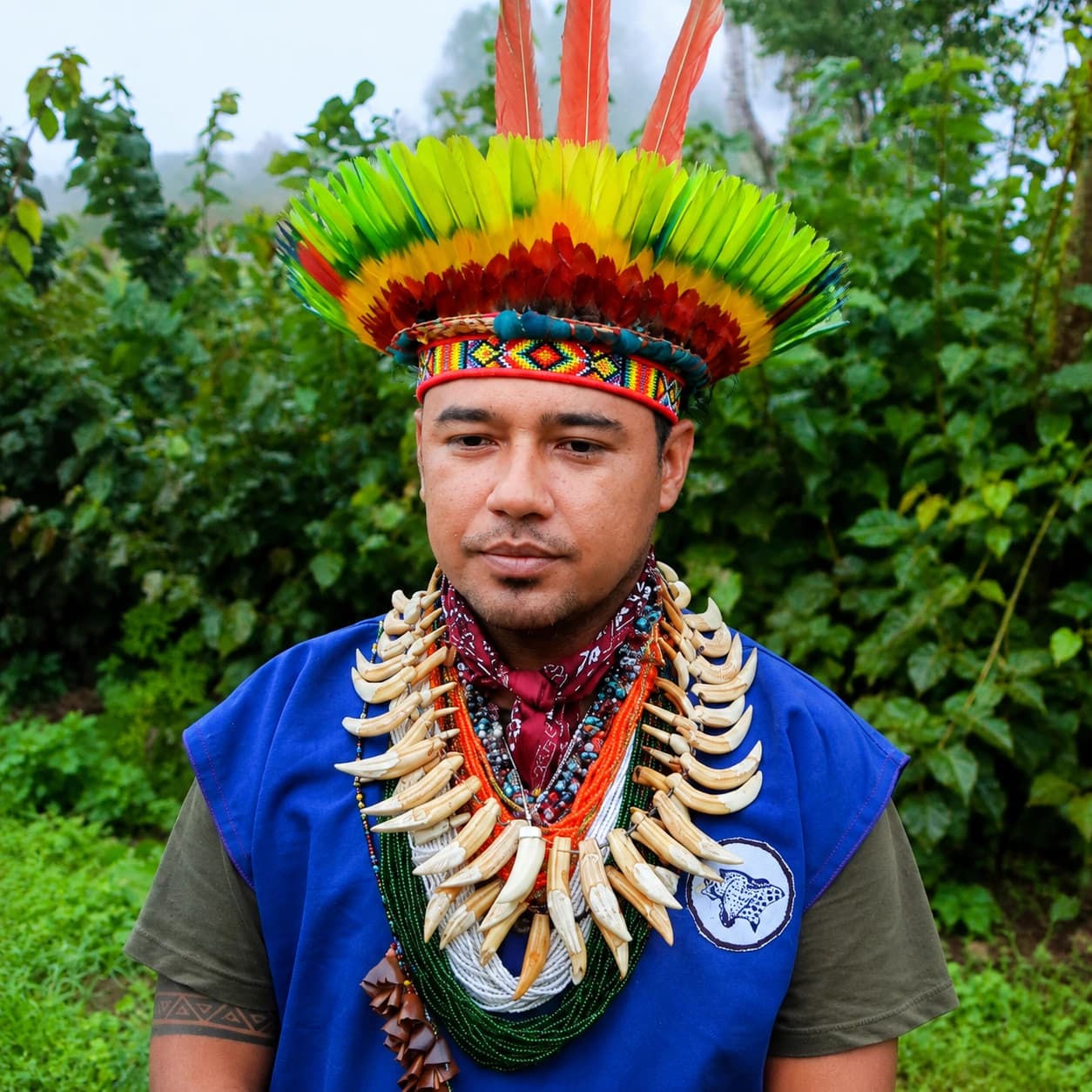
Senior taita · Putumayo tradition
Carlos shares responsibility for traditional ceremony. His work also includes medicine songs and musical accompaniment.
Your own pace
Andrea explains that sharing in the Circle of Word is voluntary. You can speak or listen. You don’t have to explain, justify or share what happened in a ceremony.
Andrea describes paying attention to each person’s timing, rather than putting too many experiences into one day. When someone says they need to sleep or rest, she respects that.
Samuel says this is accepted, and the team continues accompanying the person. He describes attentive presence during ceremony without unnecessary interference. If you’re unsure about a ceremony, tell the team so you can discuss the support you need.
Ask the team about preparation and participation requirements before attending. Medical screening is still required, and choosing to take part carries risks.
The rhythm of the week
We’re planning seven days, six nights and three traditional yagé ceremonies, with days between them for rest and integration.
Samuel encourages looking at the whole retreat: the quiet, the time in nature and what happens between ceremonies matter too.
The schedule below gives a sense of the week we’re planning for veterans and first responders. We’ll confirm activities and timing with you before you arrange travel.
Day 01
Settle into your accommodation, meet the team and group, and become familiar with Yaogará. Share a welcome meal and take time to arrive.
Airport pickup, a welcome lunch and orientation, with grounding practices, a fire circle and time to consider your intentions.
Day 02
There is time to ask questions and talk through preparation before the first yagé ceremony, accompanied by traditional medicine music.
Morning grounding, a workshop on transition, identity and purpose, and preparation for the first evening ceremony.
Day 03
After the first ceremony, there is room for breakfast, rest, personal reflection and nature, alongside an integration circle.
Ask the team about individual support and evening medicine music when discussing your retreat.
Day 04
The second ceremony follows a day of preparation and conversation. You can bring questions to the facilitators before the evening.
Morning movement and grounding, a workshop on meaning, service and life after transition, and the second evening ceremony.
Day 05
An integration circle, time outdoors and a shared dinner give the day a different rhythm, with room for conversation about relationships and life at home.
A workshop on relationships, family and communication, conversation with the group, time in nature and a community dinner.
Day 06
Preparation and a review of intentions precede the final yagé ceremony. Quiet and rest follow the night.
Time to review your intentions and prepare for the third ceremony, followed by rest.
Day 07
The closing circle turns toward ordinary life: what you want to reflect on, the support you may need and the next steps that feel realistic before departure.
Personal planning, integration guidance and return airport transfers. Check departure timing with the team before booking flights.
A perspective from Samuel
“the medicine doesn't do any miracles”
For Samuel, what happens after leaving Yaogará matters: daily choices, relationships and the work of returning to ordinary life. A ceremony cannot make those decisions for you.
There is no promised breakthrough, vision or change in symptoms. Experiences vary, and needing further support is not a personal failure.
Screening and care
The medical review comes before acceptance. Dr. Marta Turpin’s role includes reviewing health history, medication and suitability. Some applicants need to be deferred or declined, including people sponsored by an organization.
Physician screening does not mean continuous medical supervision. Yaogará is a retreat setting, not a hospital or psychiatric treatment facility. Screening cannot eliminate the risks of participation.
Read our medical and safety guidanceDo not stop, taper or change prescribed medication to attend. Discuss medical decisions with your prescribing clinician.
Application, a medical form, medication review, cardiovascular and mental health history, physician review and a video call if needed. An eligibility decision is required before acceptance; applying or receiving sponsorship does not guarantee a place.
A history of psychosis, bipolar I, unstable cardiovascular conditions or contraindicated medication may rule out participation. An active suicidal crisis, severe withdrawal or addiction requiring detox needs appropriate professional care.
Please also tell the team about recent psychedelic use and any difficulty following preparation guidance. These examples cannot determine whether yagé is appropriate for you; that requires individual physician review.
This retreat does not provide crisis intervention, detox, psychiatric treatment, medication management or emergency evacuation coverage. Ask about the specific emergency plan, available facilities, transfer arrangements and insurance requirements before agreeing to participate.
If you are in immediate danger, experiencing suicidal thoughts, psychosis, chest pain, severe withdrawal or another urgent medical issue, seek local emergency care immediately. Do not wait for a retreat enquiry reply.
After Yaogará
Integration can begin with ordinary questions: what do you want to pay attention to, which habits matter, and who can support you at home? Samuel places responsibility in the choices people make after the retreat, alongside asking for help when it is needed.
We’re planning follow-up at 30, 60 and 90 days. Ask us how support will work after you return home, who you’ll speak with and what’s included before you commit to the retreat.
Samuel also offers private integration and life coaching as a separate, paid service. It is not included in the retreat package, and coaching does not replace therapy or medical care.
More about integration at CaminoPractical details
Planning your stay starts with a conversation. We’ll go through dates, accommodation, transfers and support after the retreat, so you know what to expect before booking travel.
Indicative price
USD 1,100
Per person. Contact us to confirm pricing and availability.
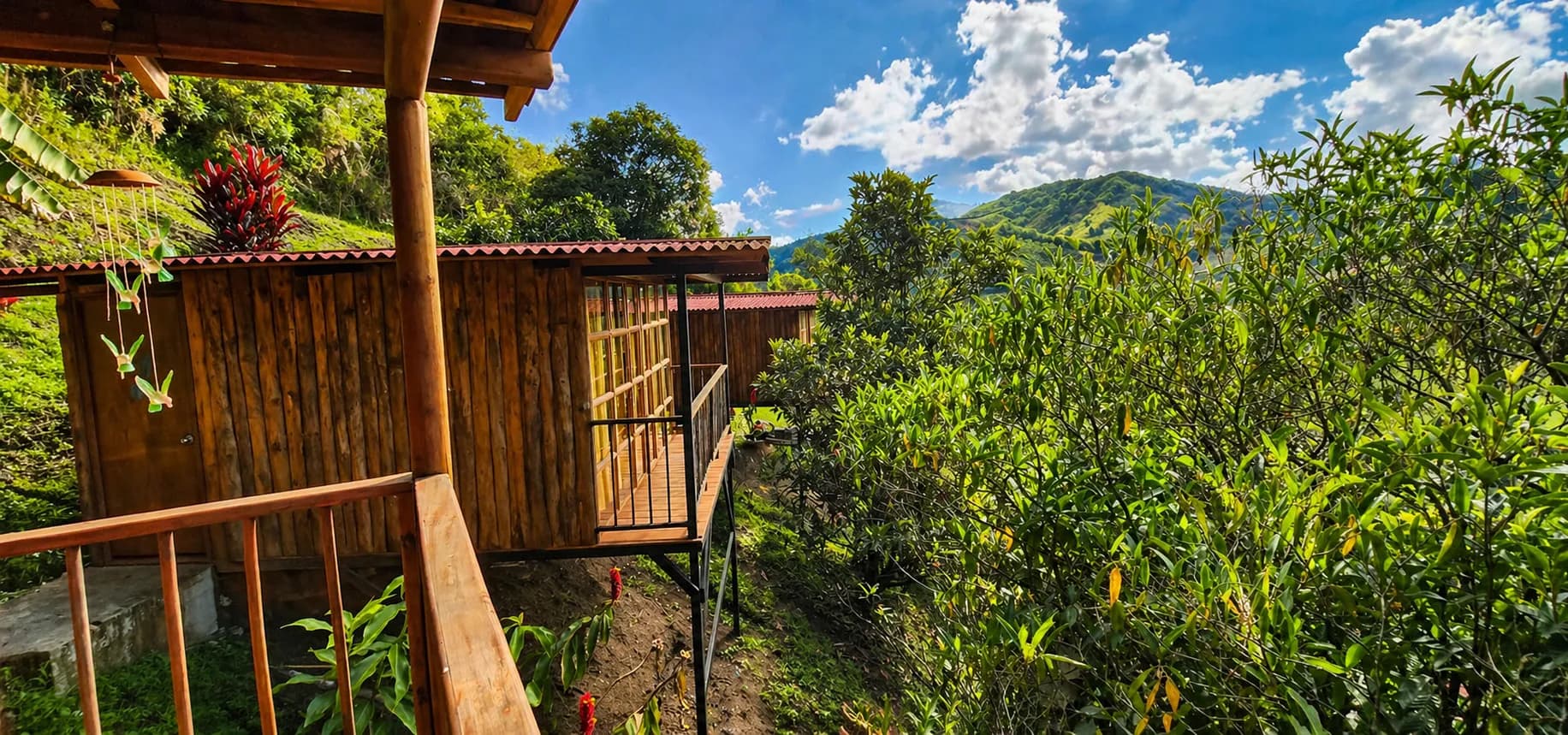
Six nights’ accommodation, meals, Medellín airport transfers, three yagé ceremonies with traditional music, medical screening and physician review, preparation, integration circles, group workshops and discussions, nature activities and follow-up through 90 days.
We’ll confirm your accommodation, transfers, workshops and follow-up before booking. You can also ask about a family integration guide and reporting for a sponsoring organization.
International flights, travel insurance, personal medical care, evacuation or evacuation insurance, medication management, psychotherapy and psychiatric care are outside the package. Private coaching is separately paid. No particular outcome is guaranteed.
Voices from Camino
Excerpts from participants’ Google reviews of general Camino retreats, rather than a veterans group. Each person’s experience is different.
“The guys have been so supportive and caring, the music was incredible. I couldn't have wished for a better setting to have my first ceremony.”
“The folks at CAS truly care about each and every person and the world as a whole.”
For organizations
Organizations and donors can discuss individual sponsorship, private cohorts, referrals and collaboration. Camino carries out its own eligibility review for each applicant.
A first conversation can cover the people you support, the questions you need answered and whether this retreat is a fit. Dates, staffing and responsibilities need to be agreed before referrals or funding commitments.
Request partner informationPartners may handle referral, funding, travel coordination, insurance requirements and internal reporting. Agree who handles each responsibility, including preparation and support at home.
Tell us what information your organization needs. Before agreeing to a group retreat, we can discuss what can be shared, how it will be handled and whose consent is needed. Topics to discuss include:
Private health information must not be shared without participant consent. Any agreed reporting should distinguish attendance and personal feedback from clinical outcomes.
Read the retreat overview and partnership discussion guide, updated in October 2026. They describe the retreat we’re planning. Confirm dates, staffing, pricing and arrangements with us before making a referral or funding commitment.
Contact us to discuss your organization’s questions and the support your group would need.
Before coming
Yes. We’re developing this retreat for veterans, former service members and first responders, including firefighters, EMTs, police, nurses, dispatchers and other emergency workers. Each applicant needs individual screening before acceptance, including sponsored applicants.
You can contact us if this would be your first ceremony. Tell the team about your questions and previous experience. Preparation and medical review come before any decision about participation.
Andrea describes sharing in the Circle of Word as voluntary: listening is welcome. Samuel says a participant can decline yagé on a particular night and continue receiving accompaniment. If you’re unsure about another activity, ask the team what it involves and discuss your needs before attending.
That requires individual medical review. Share your complete medication list and health history. Some applicants must be deferred or declined. Do not stop, taper or change medication to attend; discuss any medical decisions with your prescribing clinician.
Contact the team about veterans groups, dates and availability. We’ll discuss the price, who will accompany you, what’s included and support after the retreat. Please agree your dates with us before booking travel; submitting an application does not reserve a place.
A first conversation
You can ask about the people, the ceremonies, medical screening or the practical arrangements. Ask us about dates and availability, and we can help you consider whether this retreat is appropriate for you.
After speaking with the team, you can complete our screening application to begin the review process. Acceptance depends on screening, and dates need to be agreed with the team.
Traditional ceremony, integration and coaching are distinct from licensed medical and mental health care. Continue working with your healthcare providers. This retreat does not promise a cure, symptom reduction or personal transformation.