
Ayahuasca is not casual.
In Colombia, we often speak of Yagé. It is a sacred medicine with deep Indigenous roots, held through ceremony, song, discipline, and responsibility. It can open difficult material. It can bring clarity. It can also be physically and psychologically demanding.
Both things can be true.
This is why any honest conversation about ayahuasca must begin with risk. Not fear. Not hype. Risk.
If you are considering ceremony, the question is not, “Is ayahuasca perfectly safe?” It is not. The better question is: “Am I being properly screened, prepared, held, and supported?”
At Camino al Sol, every applicant goes through a medical and psychological review before being accepted. There is no instant booking. No pressure. No promise that the medicine is right for everyone. You can read more about our approach to safety here: Ayahuasca Safety.
“The important thing is where you are going to drink, and who you are going to drink with.”
— Taita Diego Marmolejo
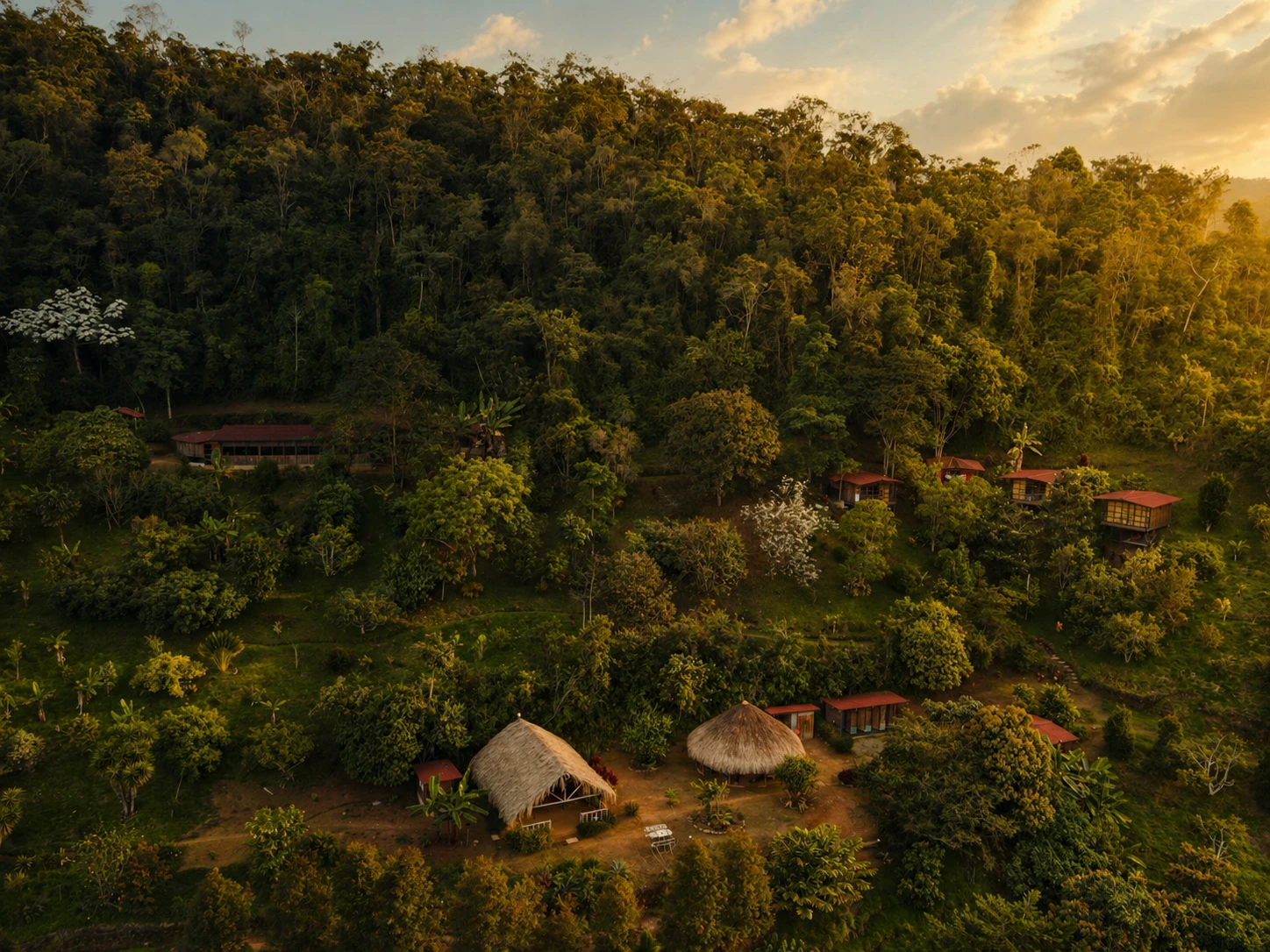 Golden light settles over the reserve and retreat cabins. Safety begins with the setting, but it does not end there.
What are the main risks of ayahuasca?
The main risks of ayahuasca fall into four areas:
- physical reactions during or after ceremony
- psychological distress or destabilization
- medication and substance interactions
- unsafe retreat settings or poor facilitation
Some physical effects are common. Nausea, vomiting, diarrhea, trembling, fatigue, and changes in body temperature can happen. Some people also experience increased heart rate or blood pressure. For someone with certain heart conditions, blood pressure issues, neurological concerns, or other medical vulnerabilities, this may carry more risk.
The psychological side can be just as important. Ayahuasca can bring fear, grief, confusion, panic, traumatic memories, or a temporary loss of ordinary orientation. For some people, this becomes meaningful and workable inside the right container. For others, especially those with certain psychiatric histories, it can become destabilizing.
This is why screening matters.
Not as a formality. As protection.
If a retreat does not ask detailed questions about your physical health, mental health history, medications, substance use, and current life stability, that is a serious warning sign.
For a basic introduction to the medicine itself, read: What Is Ayahuasca?. For the Colombian context, read: Yagé in Colombia.
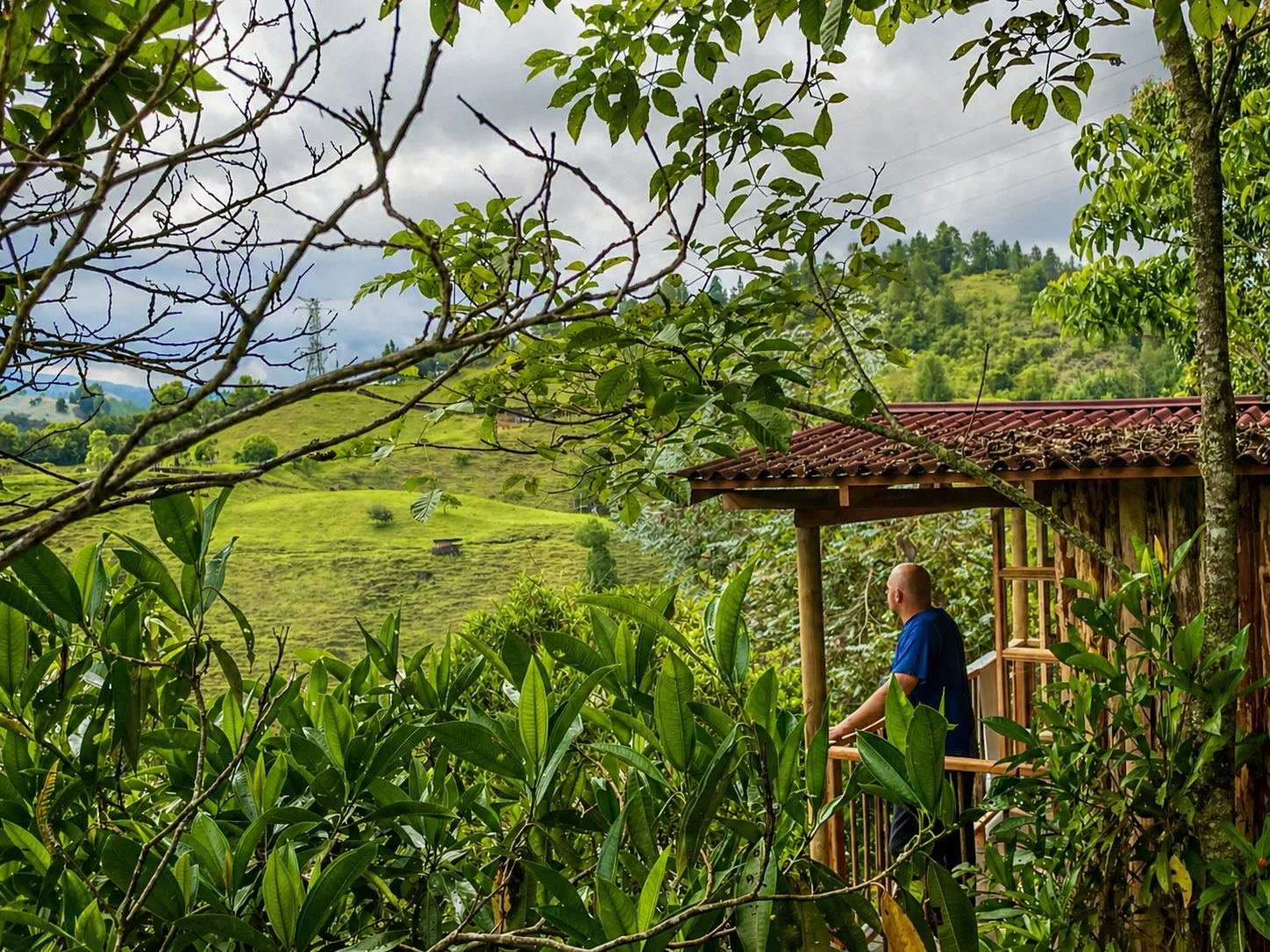 A quiet setting helps, but the real safety work happens through screening, preparation, and responsible ceremony holding.
Physical risks: what can happen in the body
Ayahuasca is physically active. It is not only a visionary or emotional experience.
Common physical reactions may include nausea, vomiting, diarrhea, sweating, dizziness, shaking, fatigue, and abdominal discomfort. In many traditions, vomiting is understood as part of cleansing. That does not mean every physical reaction should be dismissed as “normal.”
There is a difference between discomfort and danger.
A responsible retreat needs to know when someone is simply going through a difficult moment and when something requires closer attention. This is especially important if a participant has a history of:
- heart disease or irregular heart rhythm
- high or unstable blood pressure
- seizures or neurological conditions
- fainting episodes
- serious liver or kidney disease
- recent surgery or significant medical instability
- pregnancy
This does not mean every person with a medical history is automatically excluded. It means the history must be reviewed before ceremony, not discovered during ceremony.
At Camino al Sol, the application process includes health screening before acceptance. This helps us understand whether the retreat is appropriate, whether more information is needed, or whether it is better for someone not to participate. You can begin that process here: Apply for Screening.
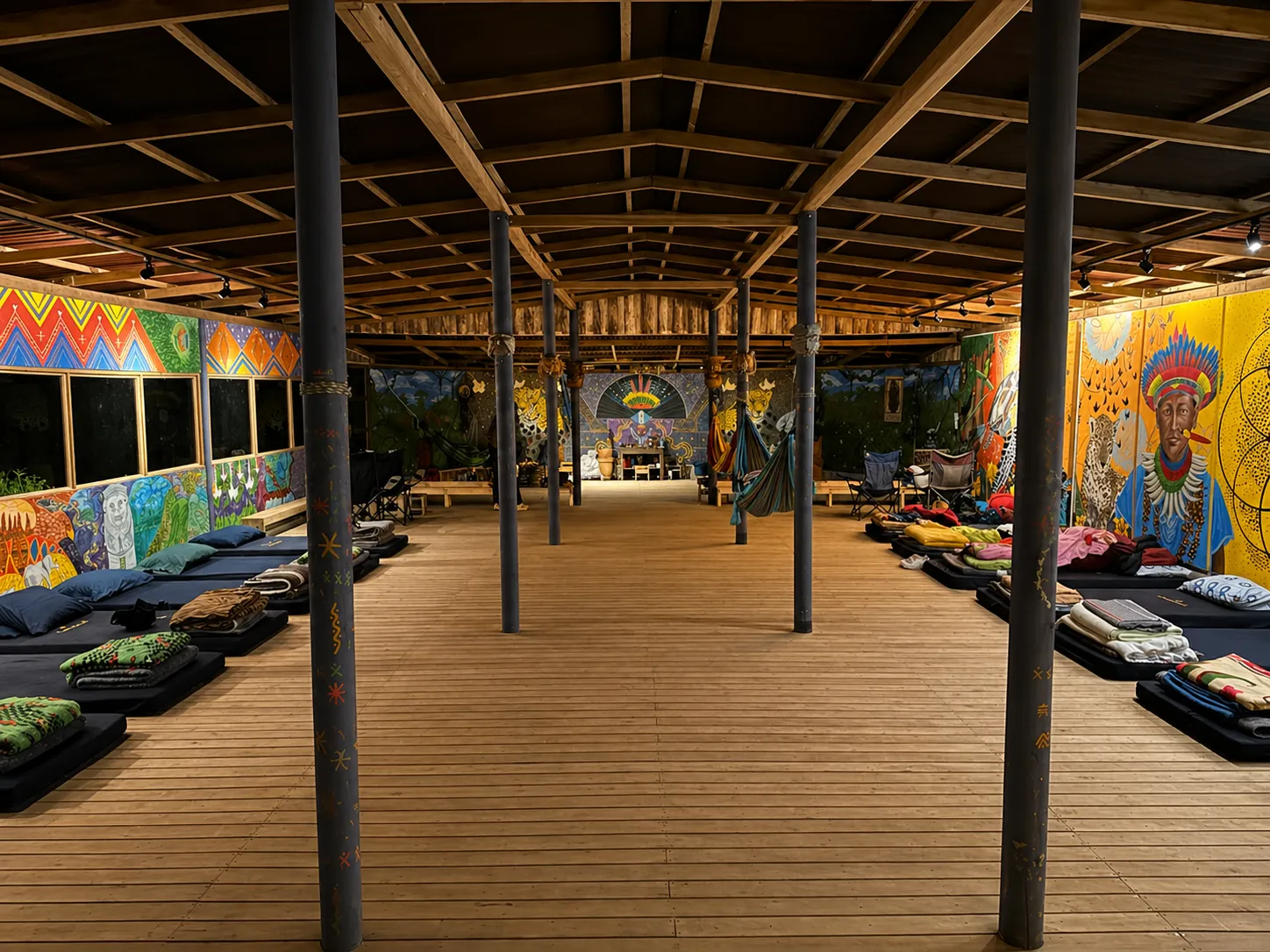 The medicine house is prepared before guests arrive. The deeper preparation begins before the retreat itself.
Psychological risks: difficult does not always mean unsafe, but unsafe is real
Ayahuasca can bring people into contact with strong emotion.
Fear. Grief. Shame. Anger. Memories. Confusion. Beauty. Relief. Resistance.
A difficult ceremony is not automatically a bad ceremony. But difficulty needs a container. Without proper guidance, a difficult experience can become overwhelming, especially for someone with a history of psychosis, mania, bipolar disorder, severe dissociation, recent psychiatric hospitalization, active suicidality, or unstable trauma symptoms.
This is one of the areas where vague retreat marketing can become dangerous.
It is not enough to say “the medicine gives you what you need.” That may be spiritually meaningful inside a tradition, but in practical terms, people still need careful screening and human support.
A person may need deeper review before ceremony if they have:
- a personal or family history of psychosis
- bipolar disorder or manic episodes
- recent suicidal thoughts or attempts
- severe panic attacks
- severe dissociation
- active substance dependence
- recent psychiatric crisis
- unresolved trauma that is currently overwhelming daily life
Ayahuasca should not be treated as an emergency intervention. It is not a replacement for psychiatric care, therapy, medication, or crisis support.
For some people, the safest answer is “not now.” For others, the answer may be “only after more stability, support, and preparation.”
That answer should come through honest screening, not sales pressure.
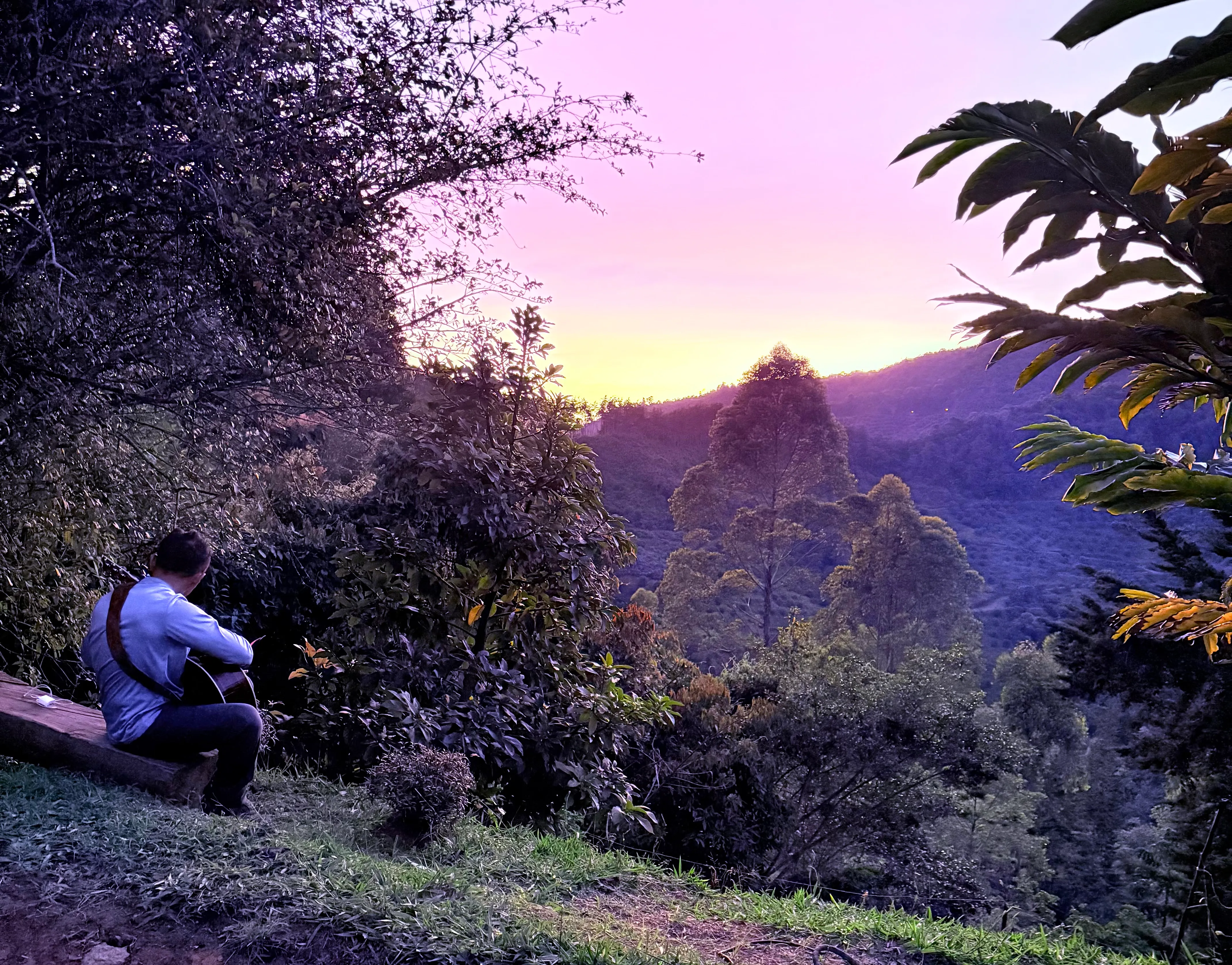 After ceremony, quiet time matters. Integration is where the experience begins to meet daily life.
Medication risks: this must be discussed before anything else
Medication is one of the most important safety topics with ayahuasca.
Ayahuasca contains compounds that affect monoamine oxidase activity. This means it can interact with certain medications and substances in serious ways. The concern is not theoretical. Medication interactions are one of the clearest reasons screening must happen before someone is accepted.
Medications and substances that require careful review may include:
- antidepressants, including SSRIs, SNRIs, MAOIs, tricyclics, and other psychiatric medications
- lithium
- antipsychotics or mood stabilizers
- ADHD stimulants
- medications for Parkinson’s disease
- opioids or pain medications
- certain cough medicines, especially those containing dextromethorphan
- recreational substances
- alcohol or other sedatives
- herbal supplements that affect mood, sleep, serotonin, or stimulation
Never stop medication on your own in order to attend an ayahuasca retreat.
That decision belongs between you and a qualified medical professional who understands your history. A retreat should not pressure you to come off medication. A retreat should ask what you are taking, review the risk, and tell you clearly if more medical guidance is needed.
If you are on antidepressants, benzodiazepines, stimulants, mood stabilizers, antipsychotics, or any medication related to mental health, that needs to be part of the screening conversation before anything else.
At Camino al Sol, the medicine is held with respect, but respect includes limits. Some people need time. Some people need medical clearance. Some people should not drink.
Retreat-setting risks: the place and people matter
Ayahuasca risk is not only about the brew.
It is also about the setting.
A ceremony can become more dangerous when there is poor screening, overcrowding, inexperienced facilitation, unclear boundaries, lack of preparation, no integration, pressure to drink more, unsafe mixing of medicines, or a group culture where people are afraid to speak honestly.
Be careful with retreats that offer instant booking or use language like:
- “safe for everyone”
- “guaranteed healing”
- “no experience needed, just trust”
- “we can cure trauma, depression, or addiction”
- “stop your medication and come clean”
- “the medicine will take care of everything”
These are not signs of wisdom. They are signs to slow down.
A responsible retreat should be able to explain:
- who leads the ceremony
- what tradition or training they come from
- how participants are screened
- what medical and psychological information is reviewed
- what happens if someone is not accepted
- how preparation is handled
- how the group is supported during ceremony
- what integration support exists afterward
At Camino al Sol, ceremonies are held in the Colombian Yagé tradition by Taita Diego Marmolejo, a traditional doctor from Putumayo with roots in Indigenous Amazonian lineage. Retreats are small, application-based, and held at Yaogará, a nature reserve and botanical garden in the mountains of Antioquia.
You can learn more about the retreat setting here: Ayahuasca Retreat Colombia.
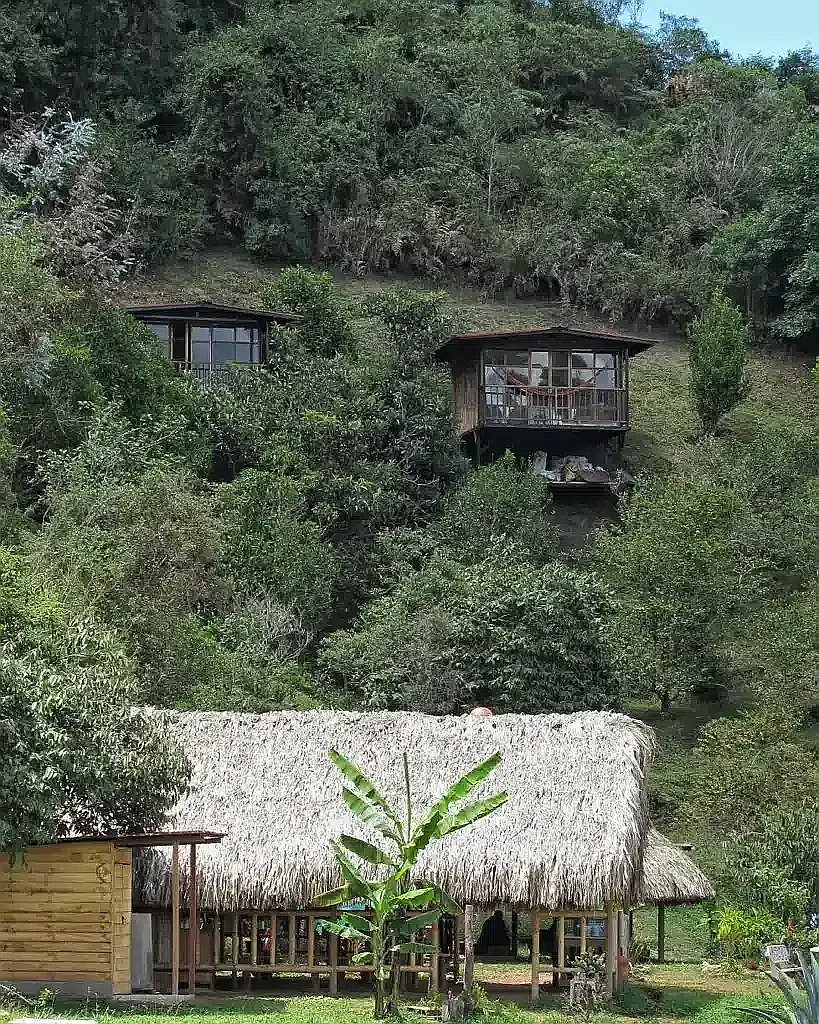 Cabins sit quietly within the forested retreat grounds. A slower environment supports the work, but it does not replace careful screening.
Preparation reduces risk, but it does not remove risk
Preparation matters.
Food, sleep, emotional honesty, medication review, substance abstinence, and clear intention all shape the ceremony. But preparation is not a magic shield. A person can follow every diet instruction and still have a difficult or unsafe reaction if deeper risk factors were missed.
The preparation process should include more than a food list.
It should include questions like:
- Why are you coming now?
- What are you hoping ayahuasca will do for you?
- Are you in crisis?
- What support do you have at home?
- Are you taking medication or recently stopping medication?
- Have you had psychosis, mania, hospitalization, or suicidal thoughts?
- Are you prepared for difficult emotions to arise?
- What will you do with the experience after retreat?
This is where many people misunderstand ayahuasca.
They think the ceremony is the whole thing. It is not. The ceremony may open a door. The life after ceremony is where the work becomes real.
For practical preparation guidance, read: Ayahuasca Diet & Preparation. For what happens after ceremony, read: Integration.
Who should be especially cautious with ayahuasca?
Some people need extra caution. Some may not be suitable for ceremony at all, depending on their history and current state.
You should expect deeper screening if you have:
- current or past psychosis
- bipolar disorder or manic episodes
- schizophrenia diagnosis or strong family history of psychosis
- recent suicidal thoughts, self-harm, or psychiatric hospitalization
- severe panic disorder or unstable anxiety
- serious heart or blood pressure conditions
- seizure history
- pregnancy
- active substance dependence
- current use of psychiatric medication
- recent major loss, crisis, or instability
This list is not complete. It is a starting point.
The honest answer may be yes, no, not now, or only after medical review. A serious retreat will be willing to say no. That matters.
At Camino al Sol, applying does not mean being accepted. Screening exists because care sometimes means not drinking.
How Camino al Sol approaches ayahuasca risk
We do not present Yagé as a guaranteed healing experience.
We do not treat it as entertainment. We do not accept everyone. We do not offer instant booking.
Our approach is simple:
First, screening. Then preparation. Then ceremony. Then integration.
Every applicant goes through a medical and psychological review before being accepted. Our medical advisor is Dr. Marta Turpin. The purpose is not to make a promise of safety. No retreat can honestly promise that. The purpose is to identify risk before ceremony and decide whether this work is appropriate.
The ceremonies are held in small groups. The work is traditional, but the process is not careless. Tradition and responsibility belong together.
Taita Diego says:
“Being a traditional doctor is years of formation. A constant study. The elders only say ‘you can give the medicine to people’ after years of guidance and practice.”
This is not a product. It is not a weekend escape. It is a serious encounter with yourself, held inside a living tradition.
If this resonates, the next step is not to book. The next step is to be screened.
You can begin here: Apply for Screening.
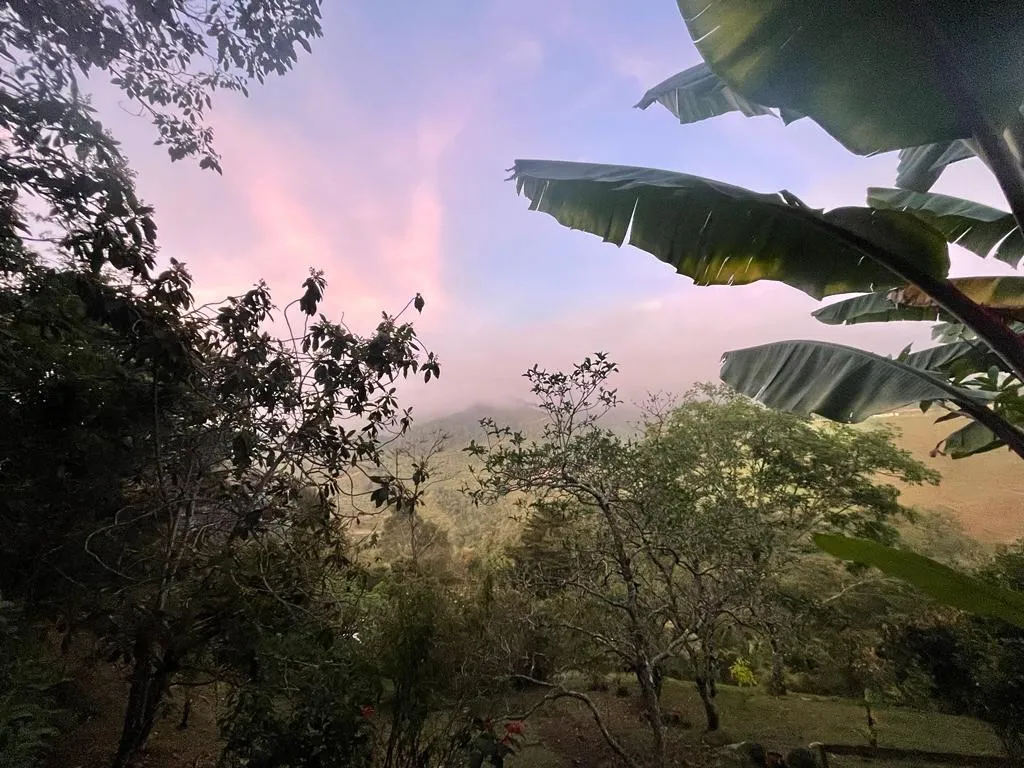 Sunrise colors frame the mountain view from the retreat. The work continues after ceremony, in the way life is met afterward.
