
If you take medication, this is not a page to skim.
Yagé - the Colombian name for ayahuasca - is not something to combine casually with prescriptions, supplements, or recreational substances. Some combinations may be uncomfortable. Some may be dangerous. Some may mean this is not the right time for ceremony.
That does not mean everyone who takes medication is automatically excluded.
It means the conversation has to happen before you arrive.
At Camino al Sol, medication history is reviewed through screening before acceptance. That matters more than any generic list online, because your situation is specific: what you take, why you take it, how long you have taken it, whether you recently stopped, and what your mental and physical health history looks like.
This page is educational and does not replace medical advice. Do not stop or change medication without speaking with a qualified medical professional.
If you are in crisis, experiencing suicidal thoughts, psychosis, chest pain, severe withdrawal, or another urgent medical issue, seek emergency care immediately.
Why medications matter with ayahuasca
Ayahuasca is not just “a plant tea.”
Traditional Colombian yagé contains plants that affect the nervous system, perception, emotion, blood pressure, digestion, and the way the body processes certain chemicals. One reason medication screening matters is that ayahuasca involves monoamine oxidase inhibition, often discussed in relation to MAOIs.
That is where interactions become important.
Medical sources warn that MAOIs can interact seriously with certain antidepressants, pain medicines, cold and allergy medicines, and herbal supplements. They can also contribute to serotonin syndrome when combined with other medicines that increase serotonin. You can read more from Mayo Clinic on MAOIs and serotonin syndrome.
The simple version is this:
Do not guess.
If you take medication, have recently stopped medication, or use supplements or recreational substances, you need a real screening conversation before considering ceremony.
The medications that most often require serious review
This is not a complete medical list. It is a practical safety guide.
Medication names vary by country. Some people know the brand name but not the active ingredient. Others forget that a sleep aid, cold medicine, or supplement still “counts.”
Bring the full list.
Antidepressants
Antidepressants require careful review before ayahuasca or yagé.
This includes:
- SSRIs, such as sertraline, fluoxetine, escitalopram, citalopram, paroxetine, and fluvoxamine
- SNRIs, such as venlafaxine, duloxetine, desvenlafaxine, and similar medications
- MAOIs, such as phenelzine, tranylcypromine, isocarboxazid, or selegiline
- Tricyclic antidepressants, such as amitriptyline or nortriptyline
- Atypical antidepressants, including medications such as bupropion or trazodone
The concern is not moral. It is chemical.
Some antidepressants affect serotonin. Ayahuasca also affects systems related to serotonin and monoamine oxidase. Combining serotonin-related medicines can increase the risk of serotonin syndrome, a serious drug reaction that can include agitation, fever, sweating, tremor, diarrhea, confusion, blood pressure changes, seizures, and in severe cases, death.
That is why this has to be handled carefully.
Do not stop antidepressants on your own to attend ceremony. Sudden discontinuation can create its own risks, including withdrawal symptoms, rebound depression, anxiety, sleep disruption, and emotional instability. A retreat should never ask you to trade one risk for another.
Anxiety medication, sedatives, and sleeping pills
Medications used for anxiety, panic, sleep, or sedation also need review.
This may include benzodiazepines such as alprazolam, clonazepam, diazepam, lorazepam, and similar drugs. It may also include sleep medications, sedating antihistamines, barbiturates, and other central nervous system depressants.
The issue is not only whether a medicine “blocks” the experience.
The deeper issue is safety: sedation, breathing, blood pressure, dependency, withdrawal risk, and the reason the medication was prescribed in the first place. If someone relies on a sedative to stay stable or sleep, that needs to be understood before ceremony.
ADHD medication and stimulants
Stimulants require serious caution.
This can include prescription ADHD medications such as amphetamine-based medications, methylphenidate, and related stimulants. It also includes non-prescribed stimulants such as cocaine, MDMA, methamphetamine, and similar substances.
Stimulants can affect heart rate, blood pressure, body temperature, agitation, and sleep. Combining stimulant effects with yagé can be risky.
This is one of the areas where honesty matters most. Screening is not there to judge you. It is there to protect the ceremony space and the person entering it.
Pain medications and opioids
Pain medications should be disclosed clearly.
This includes opioid medications such as codeine, oxycodone, hydrocodone, morphine, fentanyl, tramadol, and similar drugs. It also includes medication-assisted treatments such as methadone or buprenorphine.
Some opioids can affect serotonin. Others affect breathing, sedation, dependency, and withdrawal. Tramadol in particular is often flagged in serotonin-related safety discussions.
If you use pain medication, do not assume it is irrelevant because it is prescribed.
It belongs in the screening conversation.
Migraine medications and triptans
Some migraine medications can affect serotonin pathways.
This includes triptans such as sumatriptan and related medications. Mayo Clinic lists migraine medications, including triptans, among drugs that may be associated with serotonin syndrome when serotonin levels become too high.
If you use migraine medication occasionally, disclose it anyway. Frequency matters. Timing matters. The reason you take it matters.
Blood pressure, heart, and circulation medications
Medication for blood pressure, heart rhythm, circulation, or cardiovascular disease needs careful review.
Yagé ceremonies can be physically and emotionally intense. Blood pressure, heart rate, vomiting, dehydration, anxiety, and exertion can all matter. If someone has a heart condition or takes cardiovascular medication, a generic online answer is not enough.
This is one reason Camino al Sol emphasizes ayahuasca safety and screening before acceptance.
Cold, cough, allergy, and sinus medications
This is where people often miss something.
Over-the-counter does not mean irrelevant.
Cold, cough, flu, allergy, and sinus medicines may contain active ingredients that matter, including dextromethorphan, pseudoephedrine, phenylephrine, sedating antihistamines, or other compounds. Mayo Clinic lists dextromethorphan-containing cough and cold medications among substances that may be associated with serotonin syndrome.
If you took cold medicine recently, say so.
If you use allergy medication daily, say so.
If you are sick enough to need medication before ceremony, that may also affect whether ceremony is appropriate.
Antibiotics and other prescription medications
Some non-psychiatric medications can still matter.
For example, Mayo Clinic lists linezolid, an antibiotic, among medications that may be associated with serotonin syndrome. Other prescriptions may matter because of liver metabolism, blood pressure, sedation, immune effects, or the condition being treated.
Do not try to decide alone whether a medication is “spiritual enough” or “medical enough” to mention.
Mention it.
Supplements and herbs can also matter
Natural does not mean safe.
Some herbs and supplements can affect serotonin, stimulation, sedation, blood pressure, or the nervous system. Mayo Clinic lists St. John’s wort, ginseng, and nutmeg among substances associated with serotonin syndrome risk.
Other supplements often discussed in ayahuasca safety contexts include kava, kratom, ephedra, yohimbe, rhodiola, kanna, and strong stimulant or mood-altering herbal products.
The rule is simple:
If you take it for mood, sleep, energy, pain, focus, libido, anxiety, or “opening the mind,” disclose it.
That includes microdosing.
That includes plant medicines.
That includes things you only take sometimes.
Recreational substances are not a side note
Recreational substances can be one of the highest-risk areas.
This includes MDMA, cocaine, amphetamines, ketamine, LSD, mushrooms, cannabis, opioids, alcohol, 5-MeO-DMT, synthetic drugs, and anything sold as a research chemical or party drug.
Some of these substances affect serotonin. Some affect blood pressure or heart rhythm. Some increase psychological instability. Some make consent, memory, fear, or panic harder to manage. Some may still matter even after the acute effects have passed.
Do not mix ceremonies with recreational use.
And do not hide recent use because you are afraid of being rejected. The safer answer may be to wait.
Waiting is not failure.
Do not stop medication just to attend ayahuasca
This needs to be said clearly.
Do not stop antidepressants, anxiety medication, sleep medication, blood pressure medication, pain medication, or any psychiatric medication on your own so you can attend ayahuasca.
Stopping medication can create real risk. Some medications require tapering. Some need medical supervision. Some are treating conditions that may make ceremony inappropriate right now. Some people feel worse after stopping, not better.
A responsible retreat does not pressure you to quit medication.
A responsible retreat asks for the truth, reviews the situation, and may say: not now.
That answer can be frustrating. It can also be protective.
What to disclose before ceremony
When you apply, disclose more than you think is necessary.
Include:
- Every prescription medication
- Over-the-counter medicines
- Supplements, herbs, and plant medicines
- Microdosing or psychedelic use
- Recreational substance use
- Recent medication changes
- Recent withdrawal or tapering
- Psychiatric diagnoses
- Hospitalizations
- History of psychosis, mania, bipolar disorder, seizures, heart problems, high blood pressure, or serious trauma instability
- Current therapy or psychiatric care
- Any suicidal thoughts, self-harm risk, or recent crisis
This is not about creating a perfect image of yourself.
It is about making a safe decision.
You can read more about preparation on our ayahuasca diet and preparation guide, but medication safety should always be handled through screening, not only through a checklist.
What Camino al Sol does differently
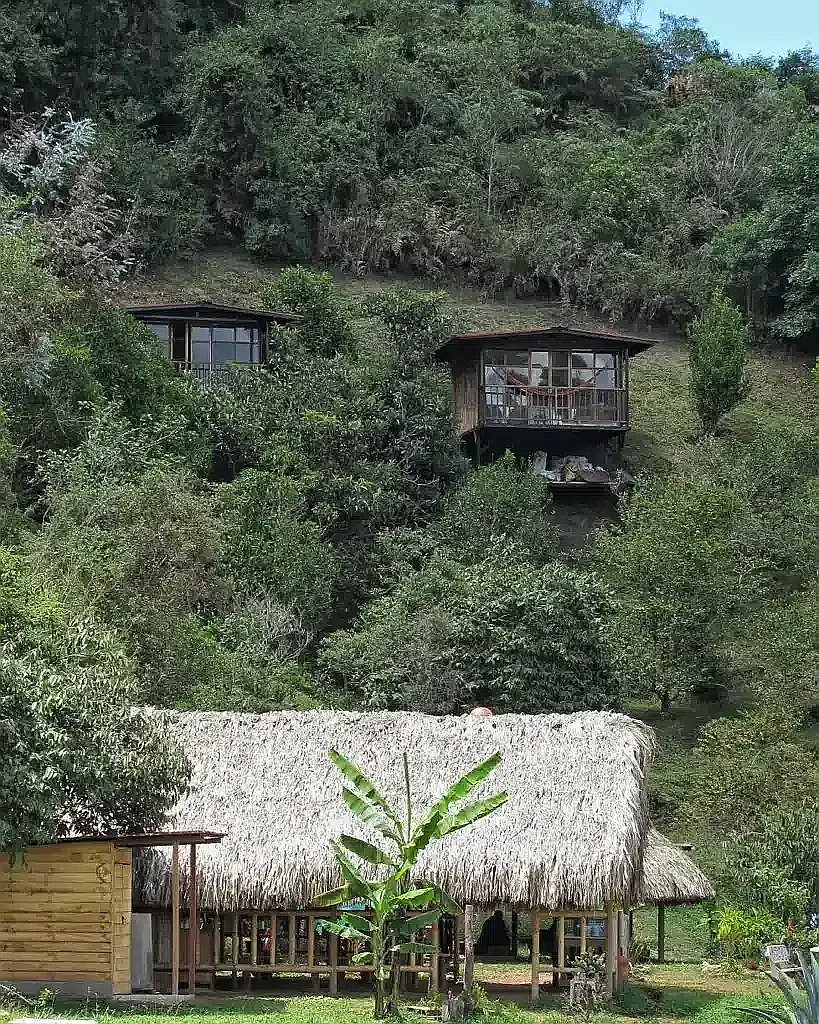
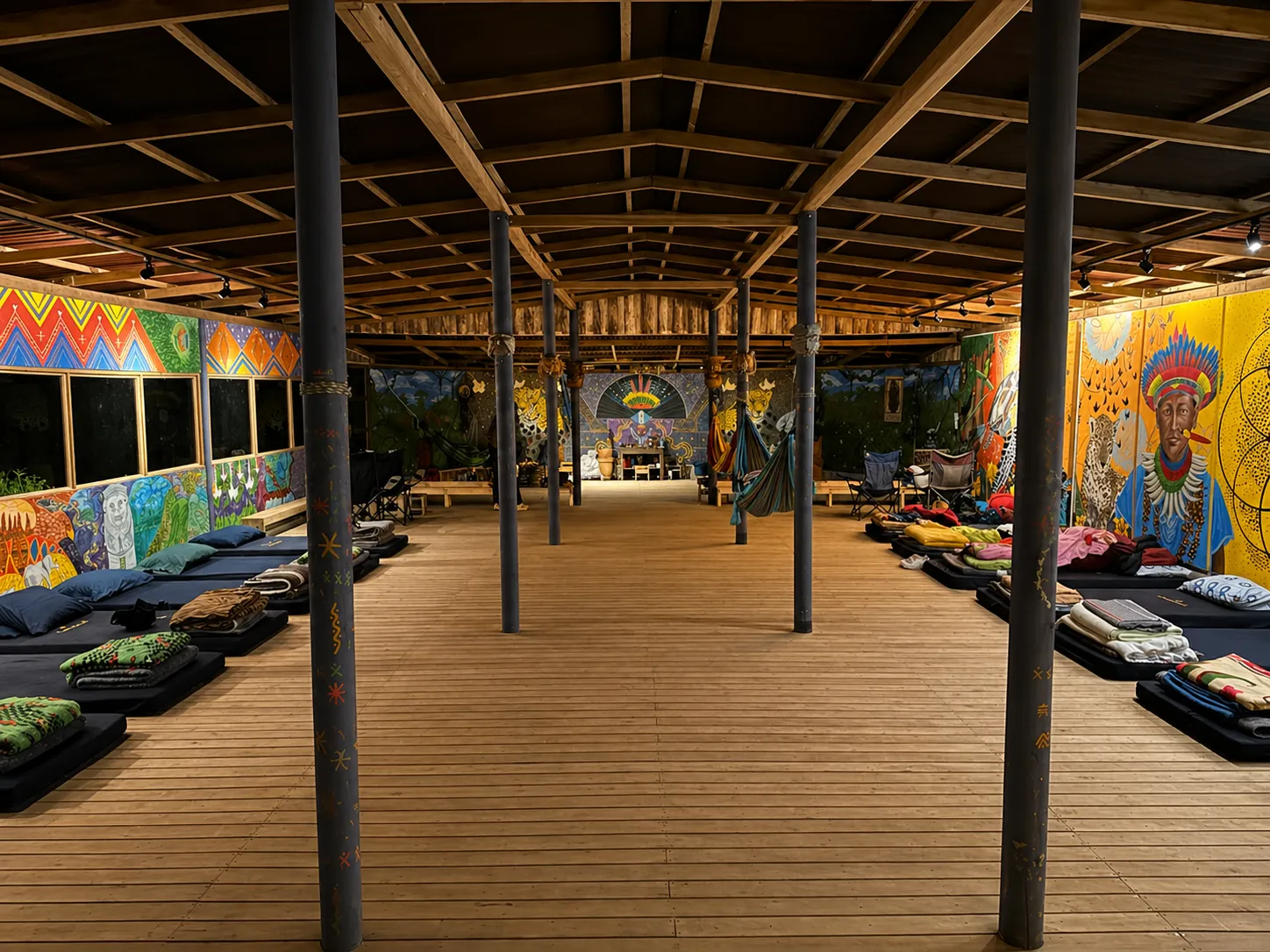
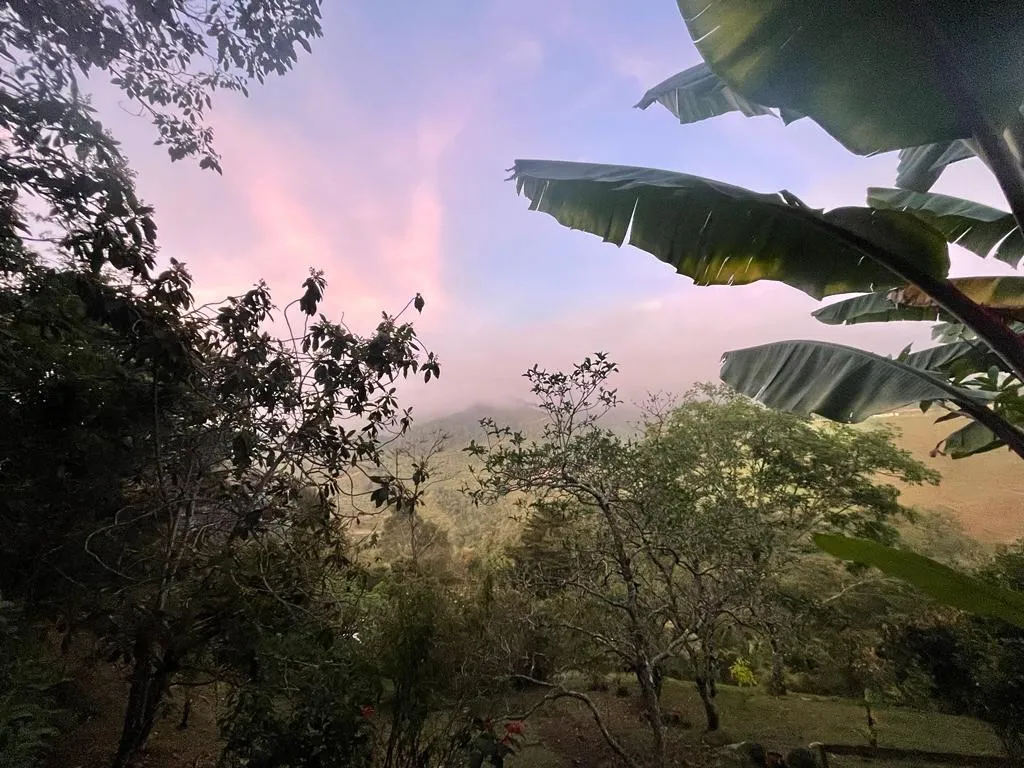
At Camino al Sol, we work with traditional Colombian yagé in the mountains of Antioquia, near Medellín. The setting is natural and grounded, but the safety process is practical.
We use screening before acceptance.
That means we need to know what is actually happening in your body and life before deciding whether the retreat is appropriate. Small groups, experienced taitas, preparation support, and integration support all matter — but none of that replaces honest screening.
If medication, mental health history, or substance use makes ceremony unsafe right now, the answer may be no.
That is part of care.
If the timing is right, the next step is not rushing into ceremony. The next step is preparing well, arriving honestly, and giving yourself space for integration afterward. Ceremony is one night. The work continues in the days and weeks after. Our integration support exists because what happens after ceremony matters as much as what happens during it.
When ayahuasca may not be the right step right now
Yagé may not be appropriate right now if you are unable to safely change medication, if you are in psychiatric crisis, if you are experiencing psychosis or mania, if you are medically unstable, if you are hiding substance use, or if you are hoping the ceremony will replace urgent treatment.
That is not a judgment.
It is a boundary.
Ayahuasca is not a shortcut around medical care, psychiatric care, or the slow work of stabilizing your life. Sometimes the most honest preparation is waiting until your system is ready.
The safest next step
If you are considering ceremony and take medication, start with disclosure.
Not guessing. Not secretly stopping. Not asking strangers online whether your prescription is “okay.”
A real answer requires context.
If you feel called to sit with yagé in Colombia, you can learn more about our Medellín ayahuasca retreat or begin with the application and screening process.
Come honestly.
That is where safety begins.
