
Sleep problems can take over a person’s life.
Some people lie awake for hours, unable to turn off the mind. Others wake through the night, carry anxiety into bed, or feel exhausted even after a full night of sleep. Insomnia, nightmares, stress-related sleep disruption, and chronic restlessness can affect focus, relationships, mood, and daily energy.
It is understandable that many people look beyond sleep apps, supplements, and short-term fixes.
At Camino al Sol, we do not present ayahuasca or yagé as a cure for sleep disorders. Ayahuasca is not a sedative, sleep medication, or guaranteed treatment for insomnia. But for some people, traditional plant medicine work may help them explore deeper emotional, spiritual, and nervous-system patterns that contribute to poor rest.
This page is educational and does not replace medical advice. Do not stop or change medication without speaking with a qualified medical professional.
If you are in crisis, experiencing suicidal thoughts, psychosis, chest pain, severe withdrawal, or another urgent medical issue, seek emergency care immediately.
Sleep Disorders Are Not Always Simple
Sleep problems can have many causes.
Some are physical. Some are psychological. Some are environmental. Some are related to medication, substances, trauma, grief, chronic stress, or medical conditions that require professional diagnosis and care.
Common contributors can include:
- anxiety and rumination
- unresolved emotional stress
- trauma history
- depression or low mood
- irregular sleep rhythms
- alcohol, caffeine, or stimulant use
- medication effects
- sleep apnea or breathing problems
- chronic pain
- high stress and burnout
Because the causes vary, the safest starting point is not ceremony. It is clarity.
If you have persistent insomnia, sleep apnea symptoms, intense nightmares, panic attacks at night, or severe exhaustion, speak with a qualified medical professional. Ayahuasca should never replace proper evaluation for a medical or psychiatric condition.
The Ancestral Perspective
Traditional Amazonian medicine views the human being holistically. Physical symptoms are not always treated as isolated problems. They may also be understood as signs of emotional, spiritual, or energetic imbalance.
From this perspective, sleep disruption is not only about the body failing to rest. It may also point to something unresolved that continues to move beneath the surface.
During a recent conversation, Taita Diego shared this traditional view on why many modern people struggle to sleep:
“When a person cannot sleep, it is often because their spirit is exhausted but their mind is carrying the weight of unhealed pasts and unlived futures. Insomnia is not just the absence of sleep; it is the presence of heavy energy (pesantez) that refuses to settle. The spirit is knocking on the door of the conscious mind, asking to be heard. Until you sit with what is keeping you awake, true rest will evade you.”
This does not mean every sleep disorder is spiritual. It does not mean medical causes should be ignored. But it does offer another lens: sleeplessness may sometimes be a messenger, not only a malfunction.
That is why Camino al Sol approaches this work through screening, preparation, ceremony, rest, and integration, rather than treating ayahuasca as a quick fix for insomnia.
Ayahuasca Is Not a Sleep Aid
Ayahuasca is not taken to fall asleep.
During ceremony, the medicine can be physically, emotionally, and psychologically intense. Some people feel alert. Some purge. Some encounter difficult memories or emotions. Some experience visions, fear, grief, or deep release. Ceremony nights are often not restful in the ordinary sense.
So it would be inaccurate to describe ayahuasca as a direct treatment for insomnia.
A more grounded way to say it is this:
Ayahuasca may help some people explore the emotional or psychological material that contributes to poor sleep.
For example, a person may realize that their sleep problems are connected to chronic fear, overwork, unprocessed grief, unresolved conflict, or a life rhythm that keeps the nervous system activated. That insight still needs integration. The ceremony alone does not do the daily work.
How Ayahuasca May Support Rest Indirectly
There are several ways plant medicine work may support deeper rest for some participants, especially when held inside a safe and structured retreat.
1. Bringing Hidden Stress Into Awareness
Many people with sleep problems already know they are stressed. But they may not know what the stress is protecting, avoiding, or repeating.
Ayahuasca can sometimes bring underlying material into awareness. This may include grief, fear, shame, old memories, family patterns, or pressure that has been held in the body for years.
That process can be difficult. It is not always peaceful. But for some people, meeting the root of their unrest may be the first step toward changing their relationship with sleep.
This is one reason preparation and support matter. If someone is already highly anxious, unstable, or unsupported, ayahuasca may not be appropriate at that time.
2. Interrupting Repetitive Mental Loops
Many people with insomnia describe the same pattern: the body is tired, but the mind will not stop.
Ayahuasca research is still developing, and Camino al Sol does not make medical claims about curing sleep disorders. However, some psychedelic research explores changes in rigid thought patterns, emotional processing, and neuroplasticity. For a participant, this may feel like seeing old mental loops from a new angle.
That can be useful.
But it is not automatic. A ceremony may reveal a pattern, while integration determines whether that pattern changes.
For broader context on preparation and the inner work involved, read our guide to ayahuasca diet and preparation.
3. Supporting Emotional Release
In traditional yagé ceremony, purging is often understood as part of cleansing. This may be physical, emotional, or energetic. Some participants cry, shake, vomit, pray, remember, forgive, or grieve.
For someone whose sleep is affected by emotional pressure, this release may feel significant.
Still, it should not be framed as “throwing up insomnia” or curing a disorder. A safer and more accurate way to say it is that ceremony may help some people release emotional material that has been contributing to inner tension.
4. Creating a Retreat Rhythm That Allows the Body to Slow Down
Modern sleep problems are often reinforced by modern rhythms: screens, urgency, alcohol, stimulants, late nights, constant noise, and emotional overload.
A retreat can interrupt that pattern.
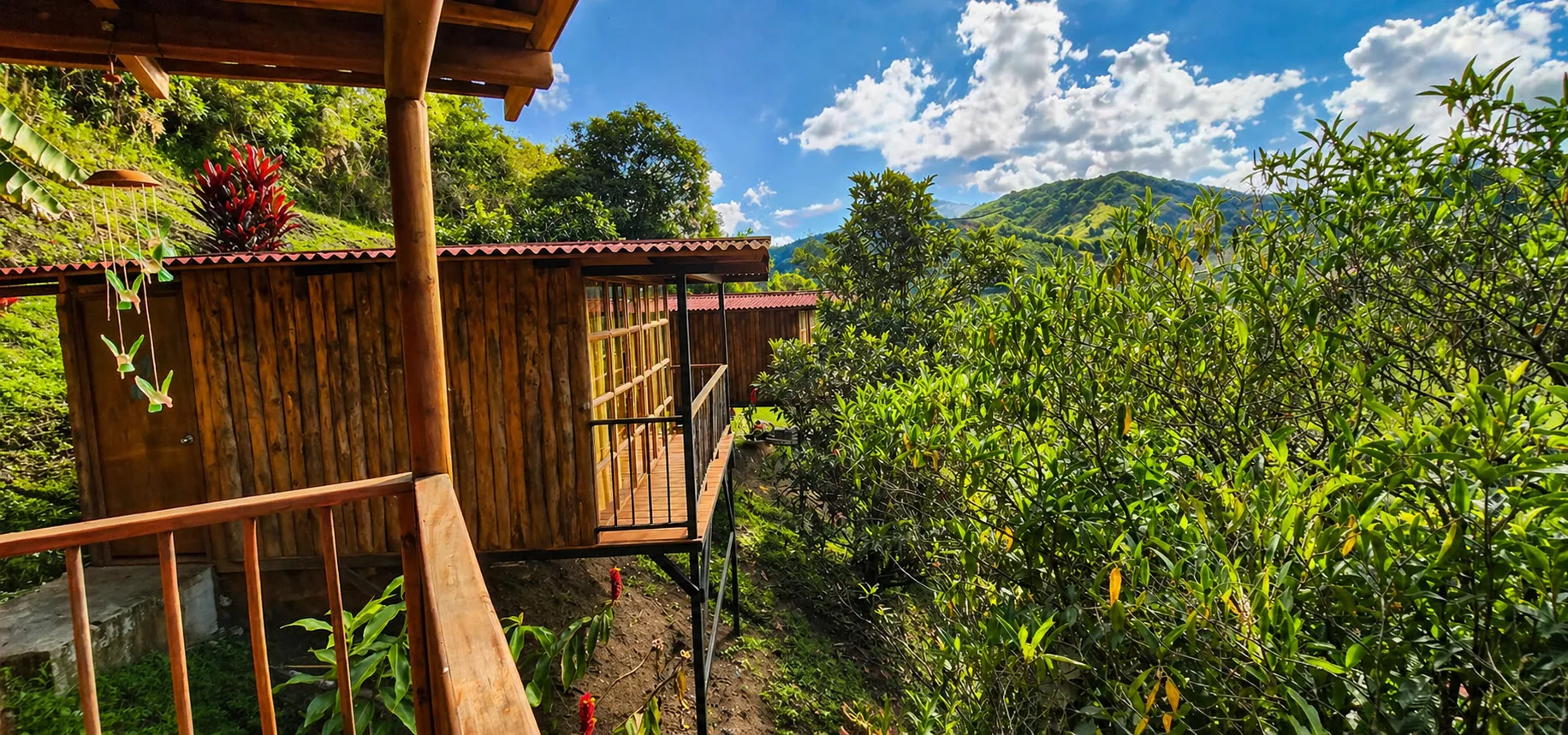
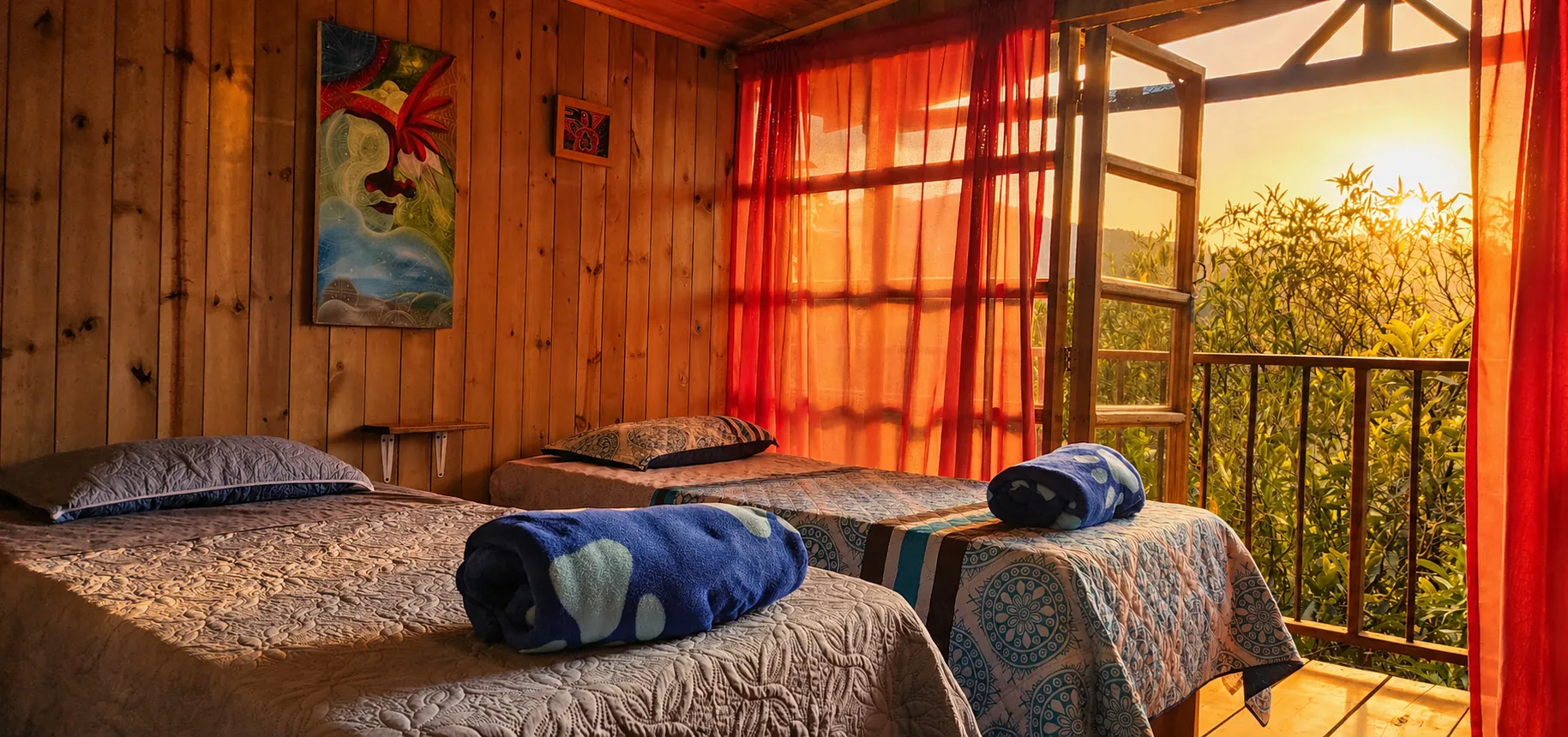
At Camino al Sol, the setting near Medellín offers quiet, nature, reduced stimulation, preparation, ceremony, and time for reflection. The environment itself may support the nervous system in slowing down.
That does not mean the retreat is a medical sleep program. It means the container is designed to support reflection, grounding, and integration.
Learn more about the setting on our ayahuasca retreat in Medellín page.
Safety Comes Before Ceremony
Sleep problems often overlap with anxiety, depression, trauma, medication use, or other health conditions. That makes screening essential.
Ayahuasca is not appropriate for everyone. It may be contraindicated for people with certain medical or psychiatric histories, and it can interact dangerously with some medications and substances.
This is especially important if you take:
- antidepressants
- anti-anxiety medication
- sleep medication
- stimulants
- mood stabilizers
- antipsychotics
- recreational substances
- medications affecting serotonin, blood pressure, heart rhythm, or the nervous system
Do not stop or reduce medication on your own to attend a retreat. Medication changes must be discussed with your prescribing doctor or another qualified medical professional.
Before applying, read our ayahuasca safety guide.
What About Sleep Medication?
This requires careful review.
Some people exploring ayahuasca for sleep problems are taking sleep medication, anti-anxiety medication, antidepressants, or other prescriptions. These can create safety concerns with ayahuasca.
At Camino al Sol, medication history must be disclosed during screening. The goal is not to judge anyone. The goal is to avoid preventable harm.
If you are taking medication, the correct next step is not guessing online. It is:
- speak with your prescribing doctor;
- complete the retreat screening honestly;
- disclose all medications, supplements, and substances;
- do not change medication without qualified medical guidance.
A serious retreat should never ask you to gamble with your health.
Will Ayahuasca Help Me Sleep Better?
It may help some people explore what is underneath their restlessness.
It may help some people understand emotional patterns that affect sleep.
It may support life changes that make sleep more possible.
But it may also be intense, destabilizing, or inappropriate for some people. It is not a guaranteed path to better sleep. It is not a replacement for medical care, therapy, sleep studies, or psychiatric support when those are needed.
The most honest answer is:
Ayahuasca may be part of a broader healing process for some people, but it should not be treated as a standalone cure for sleep disorders.
Integration: Where Better Sleep Habits Are Built
A ceremony may show you something. Integration is where you respond.
If the medicine reveals that your sleeplessness is connected to overwork, unresolved grief, alcohol use, relationship stress, or lack of boundaries, the next step is practical. You may need to change your evening routine, reduce stimulation, repair a relationship, seek therapy, spend more time in nature, or slow down your daily life.
Without integration, even a powerful ceremony can become another intense experience that does not change your life.
This is why our approach emphasizes ayahuasca integration after ceremony. Rest is not only something that happens at night. It is often built through the choices made during the day.
A More Grounded Way to Think About Sleep and Plant Medicine
If you are considering ayahuasca because you cannot sleep, ask yourself these questions first:
- Have I ruled out medical causes such as sleep apnea, chronic pain, or medication effects?
- Am I currently in psychiatric or emotional crisis?
- Am I taking medication that could interact with ayahuasca?
- Do I have support after retreat?
- Am I willing to make practical changes after ceremony?
- Am I looking for insight, or am I looking for a guaranteed cure?
These questions matter.
Ayahuasca can be profound, but it is not a shortcut around responsibility, safety, or daily integration.
Reclaiming Rest Without Forcing the Process
Deep rest cannot always be forced.
Sometimes the body needs medical care. Sometimes the mind needs therapy. Sometimes the nervous system needs time. Sometimes the spirit needs honesty. Sometimes the life structure itself has to change.
Traditional yagé ceremony may help some people meet the deeper material that keeps them unsettled. But the goal is not to chase a dramatic experience. The goal is to listen carefully, proceed safely, and integrate what is shown.
If you feel called to explore this path, start with the safest step: apply for screening.
You can also learn more about our ayahuasca retreat in Colombia, our Medellín retreat setting, and our approach to preparation and integration.
The medicine does not need you to rush.
Neither does your healing.
