
Addiction is rarely just about the substance.
It can be about pain. Escape. Grief. Loneliness. Shame. A nervous system that has learned to reach for relief before it knows how to ask for help.
So when people ask, “Can ayahuasca help overcome addiction?” the honest answer is this:
Ayahuasca may help some people see the roots of addiction more clearly. It may support a deeper change in perspective, especially when held in a serious ceremonial setting with preparation, screening, and integration.
But it is not a cure.
It is not detox.
It is not rehab.
And it does not replace medical or psychological care.
For some people, Yagé can open a door. But walking through that door is the work of daily life.
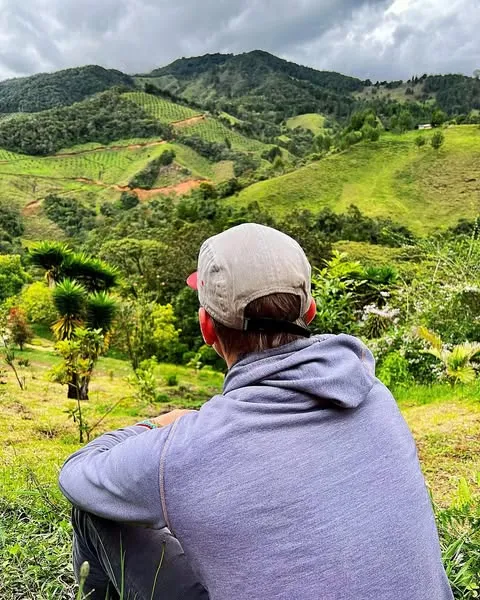
The medicine does not remove responsibility
One of the biggest misunderstandings about ayahuasca and addiction is the idea that the medicine will “take it away.”
That is not how this works.
The medicine may show you what your substance use has been protecting you from. It may show you the cost of continuing. It may bring memories, emotions, grief, or truth to the surface. It may help you feel, with unusual clarity, that another way of living is possible.
But after ceremony, the same phone is there. The same relationships are there. The same habits are there. The same triggers may return.
This is why integration matters.
Insight without integration often becomes another powerful experience that fades.
What changes a life is what you do with what you saw.
What the research actually says
Research on ayahuasca and addiction is still early. There are observational studies, ethnographic studies, and reviews suggesting that ayahuasca may be associated with reduced substance use, improved self-awareness, emotional processing, and a stronger sense of meaning in some people.
But the evidence is not strong enough to say ayahuasca treats or cures addiction.
A systematic review on ayahuasca and substance use disorders found promising signals, but the field still needs more rigorous human research. Many studies are small, observational, or difficult to compare because ceremonial contexts vary widely.
An ethnographic study on ayahuasca and addiction also points to something important: the possible benefit is not only pharmacological. The ritual, the community, the meaning-making, the care around the person, and the structure after the experience all matter.
That fits what we see in real life.
The medicine is not separate from the container.
Where you drink matters. Who holds the ceremony matters. How you prepare matters. What support you have afterward matters.
As Taita Diego says:
“The important thing is where you are going to drink, and who you are going to drink with.”
That is especially true when addiction is involved.
Addiction is not always ready for ceremony
This is where the answer becomes specific.
Not everyone struggling with addiction should drink ayahuasca.
If someone is in active withdrawal, drinking heavily every day, physically dependent on alcohol, benzodiazepines, opioids, or other substances, or at risk of seizures or medical instability, an ayahuasca retreat is not the right first step.
Withdrawal can be dangerous. Alcohol and benzodiazepine withdrawal can be life-threatening. Opioid withdrawal may not usually be fatal by itself, but it can be physically severe and psychologically destabilizing. Stimulant crash and polysubstance use can also create serious risk.
Ayahuasca should not be treated as a detox method.
If detox is needed, that belongs in a medical setting.
A retreat may become relevant later, after stabilization, professional support, and honest screening. But it should not be used to bypass the medical reality of dependence.
For readers looking for a cleansing or reset experience, it is important to understand the difference between a general detox retreat and medically supervised substance detox. They are not the same thing.
What ayahuasca may help people see
For some people, addiction is not only a craving. It is a relationship.
A relationship with escape.
A relationship with numbness.
A relationship with the part of life they do not know how to face.
In ceremony, some people report seeing the emotional pattern behind their substance use. Not as an idea, but as something felt in the body. They may see how they hurt themselves. They may see how their choices affect their family. They may touch grief they have avoided for years.
This can be powerful.
It can also be difficult.
The medicine may not give comfort first. Sometimes it gives truth first.
That truth can become useful when the person is ready to change and has support afterward. Without support, it can become overwhelming or simply fade back into the old pattern.
This is why we do not speak about ayahuasca as a magic solution.
It may show the doorway. It does not walk for you.
Alcohol, cannabis, opioids, and other substances are not the same
“Addiction” is one word, but it covers many different situations.
A person using cannabis every night to avoid anxiety is in a different situation than someone drinking a bottle of liquor daily. A person using opioids after an injury is in a different situation than someone combining stimulants, alcohol, and psychiatric medication. A person with a long history of relapse may need a different level of care than someone at the beginning of questioning their habits.
This matters for safety.
Alcohol dependence requires particular caution because withdrawal can be dangerous. Benzodiazepines also require medical supervision when reducing or stopping. Opioids raise serious concerns around withdrawal, relapse risk, and overdose risk. Stimulants can involve cardiovascular strain, sleep disruption, paranoia, and mood instability.
Ayahuasca also has its own physiological effects. It can raise heart rate and blood pressure, and it can interact with medications and substances.
This is why a serious retreat does not accept people casually.
At Camino al Sol, every applicant goes through medical and psychological screening before acceptance. There is no instant booking. For addiction-related applications, honesty is not optional. It is part of safety.
You can read more about our screening-first approach on our ayahuasca safety page.
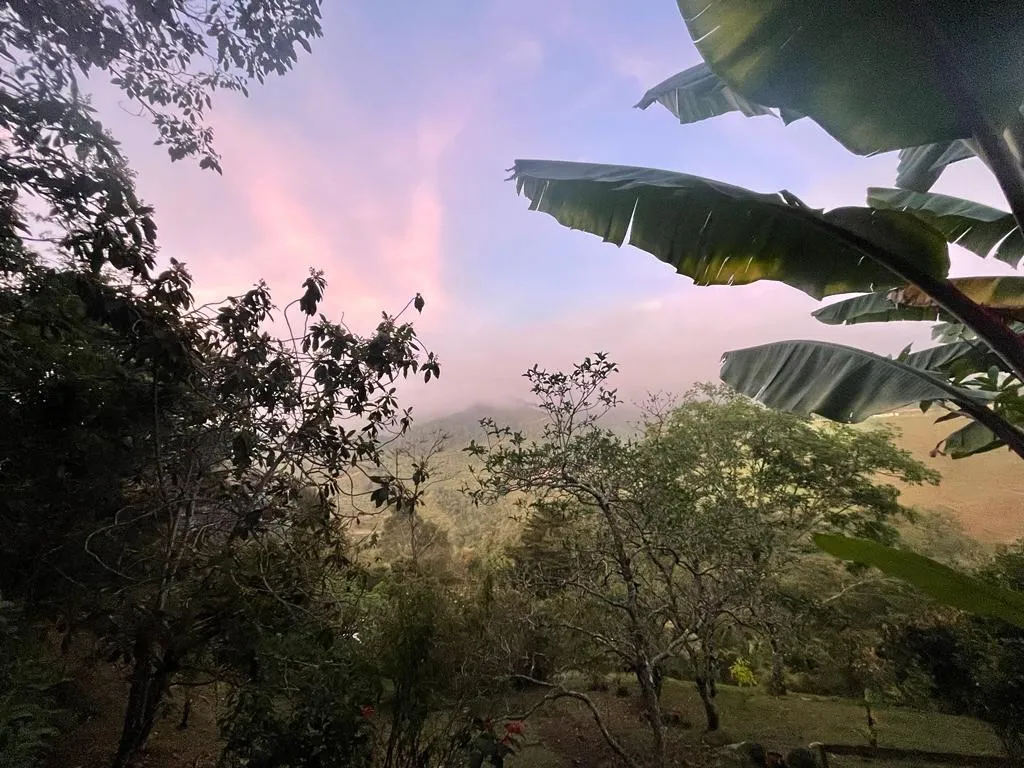
Medication and mental health history must be reviewed first
Ayahuasca is not safe for everyone.
This is especially important for people dealing with addiction, because substance use often overlaps with depression, anxiety, trauma, bipolar disorder, psychosis history, sleep problems, or psychiatric medication.
Certain medications and conditions require careful review before any decision is made. These may include antidepressants such as SSRIs and SNRIs, MAOIs, lithium, antipsychotics, stimulants, some sleep medications, opioid medications, cough medicines containing dextromethorphan, and other psychiatric or neurological medications.
This does not mean every medication history automatically closes the door.
It means the door cannot be opened casually.
No one should stop or change medication in order to attend a ceremony without speaking with a qualified medical professional. That is not courage. That is risk.
A serious screening process looks at the whole person: current substances, psychiatric history, medication, heart health, blood pressure, family history, recent crisis, and stability.
The question is not only, “Do you want ayahuasca?”
The better question is, “Is this the right moment, and is this safe enough to consider?”
Ayahuasca can bring up what addiction has buried
Many people use substances because something in life feels unbearable without them.
Maybe the person does not call it trauma. Maybe they call it stress, pressure, loneliness, boredom, anger, or just “how I relax.”
But beneath the habit, there is often something asking to be met.
Yagé can sometimes bring that hidden material forward. Memories. Body sensations. Grief. Regret. Fear. Love. The feeling of being a child again. The feeling of seeing your life from outside the usual defense.
This can help some people understand why they keep returning to the same substance, even when part of them wants to stop.
But this is also why the work needs care.
Someone with severe trauma, dissociation, psychosis history, mania history, or recent suicidal thoughts should not be pushed into ceremony. More intensity is not always more healing.
Sometimes the responsible answer is: not now.
Sometimes the first medicine is stability.
The role of ceremony and community
In traditional Yagé work, the ceremony is not just about drinking a brew.
There is a Taita. There is music. There is prayer. There is a night held by someone trained through lineage and years of practice. There is a container that helps the person move through fear, confusion, purging, silence, and insight.
That container matters deeply.
In addiction, isolation often keeps the pattern alive. People hide. They lie. They carry shame alone. A serious ceremonial space can interrupt that isolation, not by forcing confession, but by helping a person feel held while facing what is true.
At Camino al Sol, ceremonies are held in the Colombian Yagé tradition by Taita Diego Marmolejo, from the Putumayo lineage. We work with small, carefully screened groups at Yaogará, our retreat venue in the mountains of Antioquia.
This is not psychedelic tourism.
It is not a shortcut.
It is a path of responsibility.
If you are exploring this work in Colombia, you can learn more about our ayahuasca retreat in Colombia.
Integration is where recovery either deepens or disappears
The ceremony may last one night.
The pattern may have been built over years.
That should humble anyone making promises about addiction.
After ceremony, the real questions begin.
Will you change your environment? Will you tell the truth to people close to you? Will you seek therapy, recovery support, medical care, or community if needed? Will you remove access to the substance? Will you learn how to sit with discomfort without immediately escaping it?
The medicine may show you the pattern.
Integration is where you stop feeding it.
For addiction, integration may include therapy, recovery meetings, somatic work, honest conversations, exercise, sleep repair, nutrition, spiritual practice, and practical changes to daily life. It may include ending certain relationships or asking for help in ways that feel uncomfortable.
There is nothing glamorous about this.
But it is where freedom becomes real.
When ayahuasca is not the right choice
Ayahuasca may not be appropriate if you are in active severe addiction, unstable withdrawal, recent overdose risk, acute psychiatric crisis, active psychosis, untreated bipolar disorder, severe heart problems, uncontrolled high blood pressure, pregnancy, or if you are combining multiple substances or medications that create serious interaction risk.
It may also not be appropriate if you are looking for someone else to fix your life.
The medicine does not do that.
A retreat center should be willing to say no. Not as rejection, but as care.
At Camino al Sol, screening exists to protect the participant, the group, the ceremony, and the tradition. If something is not safe, we will not pretend that intention alone makes it safe.
So, can ayahuasca help overcome addiction?
It may help some people.
Not by removing addiction like a surgeon removes a stone.
More often, it may help by revealing the pain, story, fear, or emptiness underneath the pattern. It may create a moment of clarity strong enough to begin change. It may reconnect someone with life, family, body, spirit, and responsibility.
But overcoming addiction usually requires more than one ceremony.
It requires support.
It requires structure.
It requires telling the truth.
It requires changing the life that keeps feeding the addiction.
Ayahuasca may be part of that path for some people. For others, the right first step is detox, therapy, medical treatment, recovery community, or stabilization.
There is no shame in that.
The point is not to drink medicine.
The point is to live.
A careful next step
If you are exploring ayahuasca because of addiction, begin with honesty.
What substance are you using? How often? Are you physically dependent? Have you tried to stop before? What happened? Are you taking medication? Have you experienced psychosis, mania, seizures, suicidal thoughts, or severe withdrawal?
These questions are not obstacles.
They are protection.
This page is educational and does not replace medical advice. Do not stop or change medication without speaking with a qualified medical professional.
If you are in crisis, experiencing suicidal thoughts, psychosis, chest pain, severe withdrawal, or another urgent medical issue, seek emergency care immediately.
If you feel called to explore Yagé in a serious, screened setting, you can begin with the Camino al Sol application. There is no instant booking. The first step is review.
