Safety and screening
Even experienced participants need screening. Medications, mental health history, heart concerns, recent trauma, and substance use still matter.
Retreat Fit Guide
For experienced participants, the best retreat is not simply stronger or more intense. It is a grounded, traditional container with skilled guidance, clear screening, depth of practice, and enough space for integration.
The best ayahuasca retreat for experienced users is one that offers depth without carelessness. Experienced participants should look for traditional guidance, skilled facilitators, small groups, honest screening, strong ceremony structure, and integration support that respects the complexity of deeper work.
Previous ceremony experience can help, but it does not remove the need for screening, humility, and preparation. The right retreat supports deeper work without encouraging spiritual bypassing, risk-taking, or intensity for its own sake.
Experienced participants usually need depth, integrity, and a mature container — not novelty or escalation.
After previous ayahuasca ceremonies, many people are no longer looking for a basic introduction. They may want to deepen a relationship with the medicine, continue unresolved work, reconnect with tradition, or enter a more grounded space after mixed experiences elsewhere.
A strong retreat for experienced users should not assume that experience equals readiness. It should still review health history, medications, emotional stability, and intention. The best setting is one where depth is held carefully, the facilitators are not performing for intensity, and integration is treated as part of the work.
Experienced participants often know what ceremony feels like. The next question is whether the retreat can hold deeper work responsibly.
Even experienced participants need screening. Medications, mental health history, heart concerns, recent trauma, and substance use still matter.
A deeper retreat should have a clear rhythm of preparation, ceremony, rest, sharing, and integration rather than relying on intensity alone.
Experienced users may open complex material. Integration helps translate ceremony insights into grounded changes after the retreat.
For experienced users, the main risk is confusing intensity with depth. A stronger retreat is not necessarily a better retreat.
For experienced participants, a stronger retreat fit is defined by the quality of the container, not the promise of a more extreme experience.
Weaker retreat fit
Experience is treated as enough to bypass review.
Stronger retreat fit
Every participant is screened before acceptance.
Weaker retreat fit
Large groups reduce the ability to support deep processes.
Stronger retreat fit
Small groups allow closer attention and steadier support.
Weaker retreat fit
Preparation is minimal because participants are experienced.
Stronger retreat fit
Preparation is still respected as part of the work.
Weaker retreat fit
Intensity is encouraged without enough containment.
Stronger retreat fit
Experienced facilitators hold ceremony with patience and care.
Weaker retreat fit
Deep experiences are left for participants to process alone.
Stronger retreat fit
Integration helps ground insights after the retreat.
Why Camino al Sol
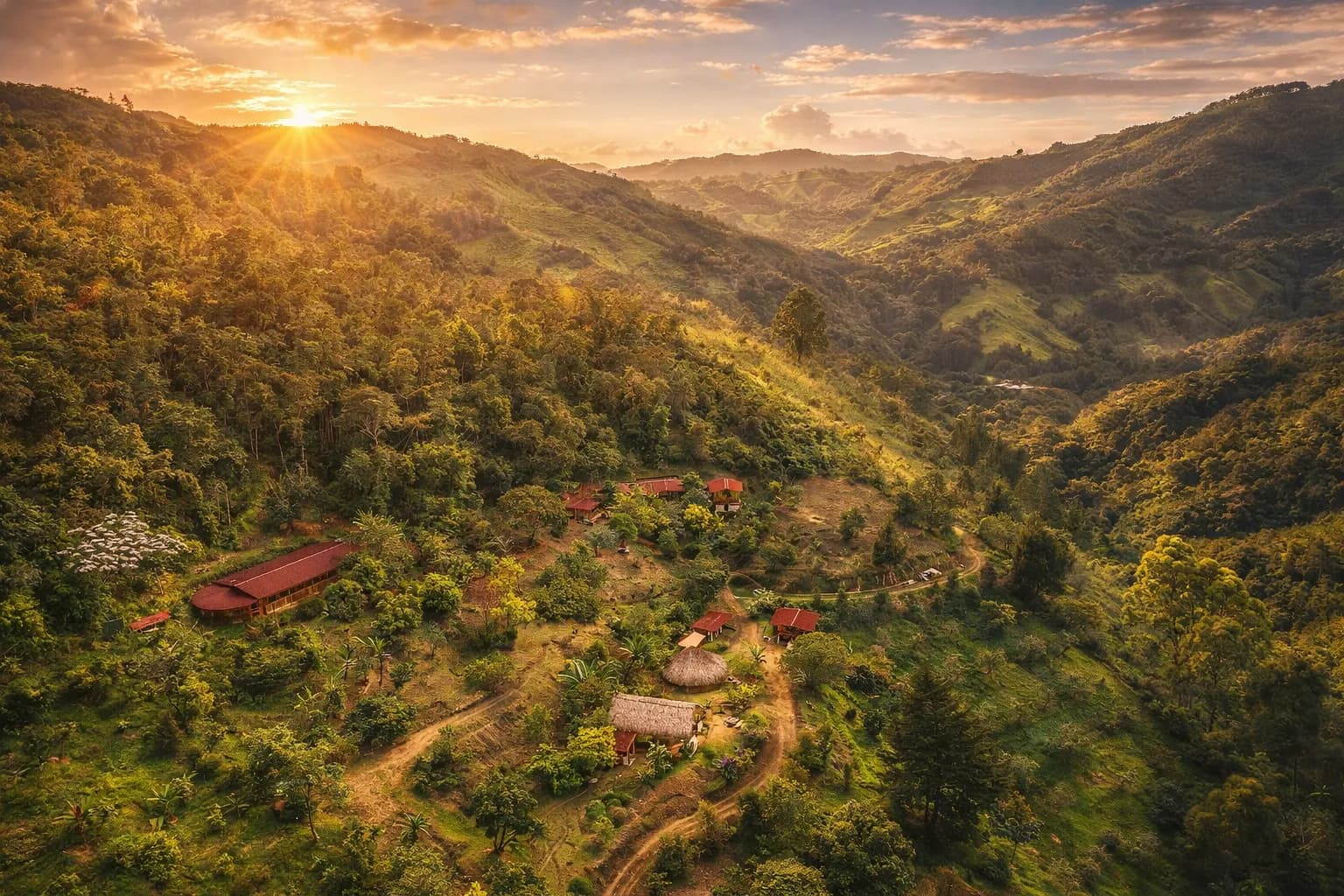
Camino al Sol offers traditional yagé ceremonies in a grounded mountain setting near Medellín, with screening, small groups, medicine music, and support for deeper integration.
Smaller groups help create a more attentive container for participants who may be working with deeper or more complex material.
Prior experience does not replace screening. Every participant is reviewed before acceptance.
Ceremonies are held within a Colombian yagé tradition, guided by experienced taitas and supported by medicine music.
The process includes space to reflect, rest, and integrate so deeper work can become grounded after the retreat.
Medical Review
Experienced users still go through screening. Previous ceremony experience does not remove the need to review current medications, mental health background, physical health, and any recent life changes that could affect safety.
Participation is based on screening, not automatic booking.

Medical Advisor
Dr. Marta Turpin
Medical Advisor
Dr. Marta Turpin supports Camino al Sol as medical advisor, helping guide our health intake standards, risk awareness, and screening protocols.
You complete an application with your health history, current medications, previous experience, and intention for the retreat.
The team reviews your application to identify safety concerns, contraindications, or areas that need clarification.
If needed, we ask follow-up questions about your previous experiences, current stability, medications, or support needs.
If accepted, you receive preparation guidance and next steps. If not, we explain the concern and may suggest a safer path.
In their words
"After having participated in seven ceremonies with Camino al Sol, I have found that they consistently share ancestral knowledge of the elders and plant medicines with respect. You can be sure that you will be well cared and guided throughout the experience."
If you are looking to deepen your relationship with yagé in a traditional setting, the next step is to apply for screening and review available retreat dates near Medellín.
5 Nights Retreat
5 Nights Retreat
5 Nights Retreat
Explore the full retreat experience, including ceremonies, structure, safety, and upcoming dates near Medellín.
Review important safety considerations, contraindications, medications, and screening requirements.
Learn how preparation and integration support help participants process and ground the retreat experience.
Experience can be valuable, but it should not replace screening, humility, or support. Apply for review or reach out if you are unsure whether this retreat is the right fit now.