Safety and screening
The retreat should review depression history, current symptoms, medications, suicidal ideation, psychiatric background, and overall stability before acceptance.
Retreat Fit Guide
If you live with depression, the best retreat is one that takes mental health seriously. Look for careful screening, medication review, emotional support, small groups, and integration after ceremony.
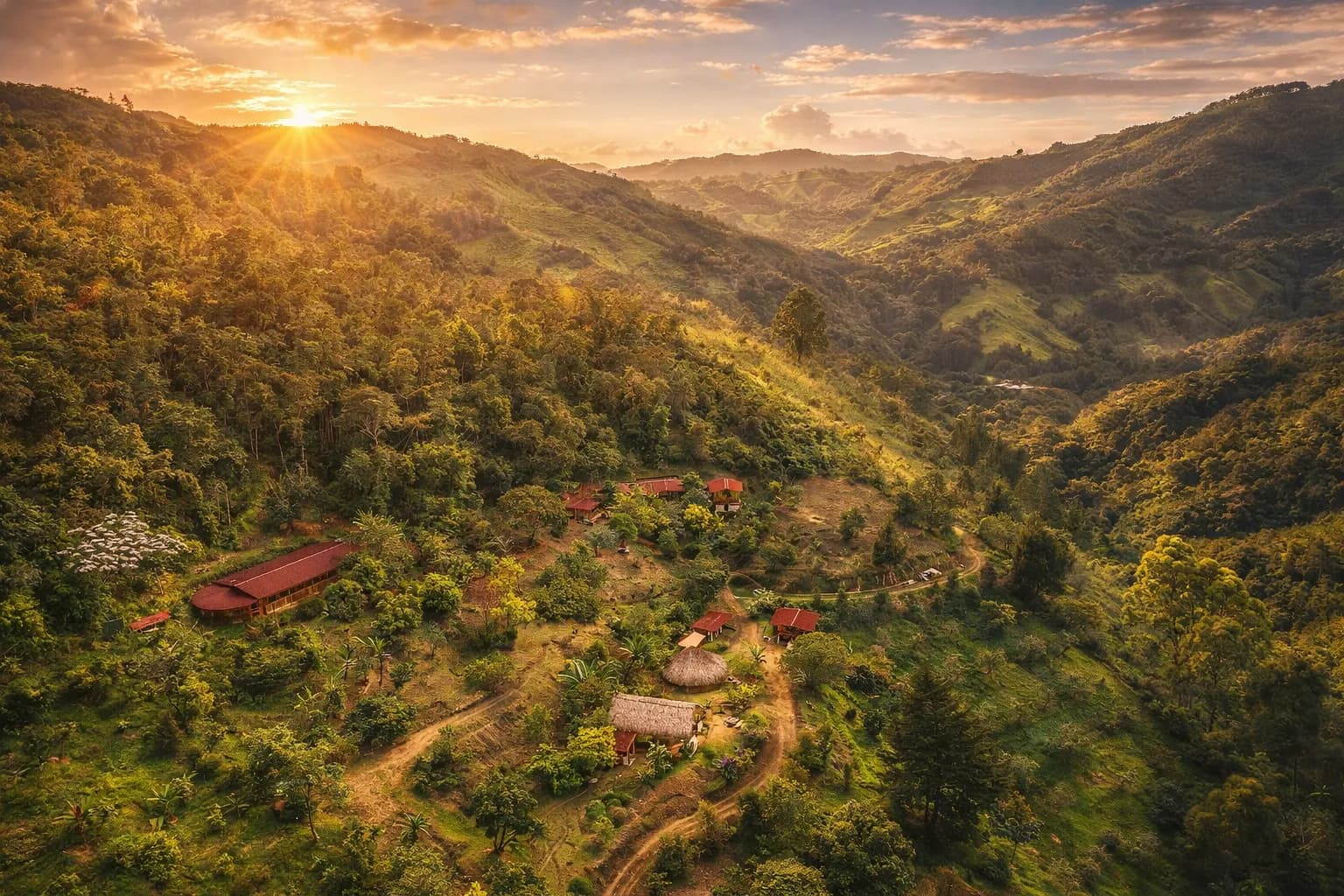
The best ayahuasca retreat for depression is one that takes mental health seriously and does not promise a cure. People with depression should look for careful screening, medication review, emotional support, small groups, preparation guidance, and integration after retreat.
Depression can range from mild and stable to severe, active, or crisis-level. The right retreat should help determine whether this is an appropriate moment to participate before you commit.
People with depression need a retreat that is honest, careful, and supportive — not one that makes exaggerated promises.
Ayahuasca can bring emotions, memories, grief, hope, fear, and unresolved material to the surface. For someone with depression, that process may feel meaningful, but it can also be destabilizing if the setting is not properly screened and supported.
A strong retreat for people with depression should review medication use, mental health history, current stability, and support needs before acceptance. It should not frame ayahuasca as a cure or replacement for therapy, psychiatry, medication, or emergency care.
For depression, the safest retreat is usually the one that is most honest about risk, screening, and integration.
The retreat should review depression history, current symptoms, medications, suicidal ideation, psychiatric background, and overall stability before acceptance.
A structured retreat helps participants understand what happens before, during, and after ceremony so the process does not feel chaotic.
Depression-related material may continue after ceremony. Integration helps participants ground the experience and avoid making rushed conclusions.
People with depression should avoid retreats that minimize mental health risk or market ayahuasca as a guaranteed solution.
For depression, a stronger retreat fit is one that places screening, emotional safety, and integration before promises of transformation.
Weaker retreat fit
Depression and medication history are not reviewed carefully.
Stronger retreat fit
Mental health and medication history are reviewed before acceptance.
Weaker retreat fit
Large groups make individual support harder.
Stronger retreat fit
Small groups allow closer attention and steadier support.
Weaker retreat fit
Participants arrive without clear emotional or safety guidance.
Stronger retreat fit
Preparation explains risks, support, and realistic expectations.
Weaker retreat fit
Participants are expected to manage difficult emotions alone.
Stronger retreat fit
Experienced facilitators are present throughout the process.
Weaker retreat fit
Support ends when the ceremony ends.
Stronger retreat fit
Integration helps ground the experience after retreat.
Why Camino al Sol
Camino al Sol offers traditional yagé ceremonies near Medellín in a structured retreat setting with screening, small groups, preparation, and integration support.
A smaller group setting helps facilitators stay closer to each participant, which matters when emotional material arises.
Depression history, medications, psychiatric background, and other risk factors are reviewed before acceptance.
Ceremonies are held within a Colombian yagé tradition, guided by experienced taitas and supported by medicine music.
Integration helps participants process what arose in ceremony and return to daily life with more grounding and patience.
Medical Review
People with depression should be reviewed carefully before participating. Before confirmation, we review current medications, mental health background, crisis history, physical health, and support needs.
Participation is based on screening, not automatic booking.

Medical Advisor
Dr. Marta Turpin
Medical Advisor
Dr. Marta Turpin supports Camino al Sol as medical advisor, helping guide our health intake standards, risk awareness, and screening protocols.
You complete an application with your health history, medications, mental health background, and intention for the retreat.
The team reviews your application to identify safety concerns, contraindications, or areas that need more context.
If needed, we ask follow-up questions or recommend a conversation before confirming participation.
If accepted, you receive preparation guidance and next steps. If not, we explain the concern and may suggest alternatives.
In their words
"Camino al Sol is a place you can come build community and begin your healing journey without any judgement. You are guided and supported throughout the whole process and really get to connect with nature."
If you are considering ayahuasca while living with depression, the next step is not to rush into ceremony. Apply for screening first so the team can review whether participation may be appropriate.
5 Nights Retreat
5 Nights Retreat
5 Nights Retreat
Explore the full retreat experience, including ceremonies, structure, safety, and upcoming dates near Medellín.
Review important safety considerations, contraindications, medications, and screening requirements.
Learn how preparation and integration support help participants process and ground the retreat experience.
If you live with depression, the safest next step is to share your situation honestly so the team can review whether participation may be appropriate for you.